 Skip to content
 Weatherproof Storage Solutions: Innovative Ways to Protect Your Gear Year-round
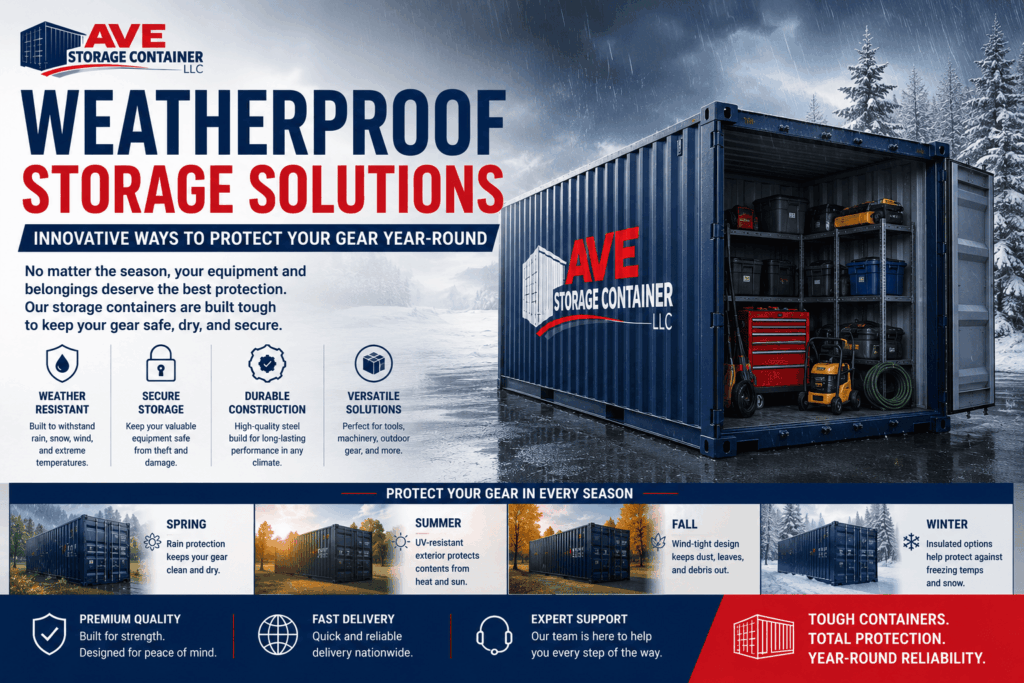
Imagine opening your garage after a heavy storm and finding your tools, camping gear, or seasonal decorations completely dry and ready to use. That peace of mind comes from investing in the right protective systems. Weatherproof Storage Solutions are not just a luxury; they are a practical necessity for anyone who values durability and longevity.
In today’s climate‑volatile world, equipment faces constant threats from moisture, UV rays, temperature swings, and airborne pollutants. Without adequate protection, corrosion, mold, and material degradation can set in quickly, leading to costly replacements. This article explores how modern engineering tackles these challenges head‑on.
We will break down the core categories, material science, design features, and selection criteria that define effective Weatherproof Storage Solutions. You will also learn maintenance tips, cost‑benefit insights, and emerging trends that keep your investments safe for years to come.
By the end of this guide, you will have a clear roadmap to choose, install, and care for storage systems that stand up to whatever Mother Nature throws at them. Let’s dive into the details that make all the difference.
Key Takeaways
- Weatherproof Storage Solutions combine advanced polymers, UV‑stable coatings, and seamless seals to block water and dust.
- Design elements such as gasketed lids, drainage channels, and modular panels enhance usability and long‑term performance.
- Matching the solution to your specific environment—whether coastal, alpine, or urban—maximizes protection and ROI.
- Regular inspection of seals, hinges, and corrosion‑prone areas extends service life far beyond the warranty period.
- Future innovations include smart humidity sensors, self‑healing coatings, and eco‑friendly recyclable composites.
Categories of All-Weather Storage Options
When evaluating protective equipment, it helps to first understand the broad families of products available. Each category addresses different usage scenarios, from handheld toolboxes to large‑scale industrial cabinets.
The most common type is the rigid, hard‑shell case made from impact‑resistant polymers. These units often feature foam interiors that cradle delicate items while the outer shell deflects rain and debris.
Soft‑sided alternatives, such as reinforced tarpaulin bags with welded seams, offer flexibility for bulky gear like tents or kayaks. Their lightweight nature makes them ideal for portable applications.
Modular shelving systems built with corrosion‑treated steel and snap‑together panels provide scalable solutions for workshops. Users can reconfigure layouts as inventory changes without compromising weather resistance.
Underground or buried vaults represent a niche but growing segment, especially for archival documents or sensitive electronics. These rely on layered barriers and sump pumps to manage groundwater intrusion.
Finally, hybrid designs combine a hard exterior with interior climate‑control modules, offering active regulation of temperature and humidity for high‑value collections.
Understanding these categories allows you to narrow down choices based on size, mobility, and the level of environmental exposure you expect.
Materials That Make Storage Truly Weatherproof
The foundation of any effective protective enclosure lies in its material composition. Manufacturers now blend multiple substances to achieve a balance of strength, flexibility, and barrier properties.
High‑density polyethylene (HDPE) remains a popular choice due to its excellent chemical resistance and low water absorption. It performs well across a wide temperature range, from freezing winters to scorching summers.
Polypropylene (PP) offers similar benefits with added rigidity, making it suitable for load‑bearing structures such as shelving frames and heavy‑duty lids.
For applications requiring UV stability, manufacturers often incorporate stabilizers or co‑extrude a thin layer of acrylonitrile‑styrene‑acrylate (ASA) on the outer surface. This layer prevents yellowing and brittleness caused by prolonged sun exposure.
Silicone rubber gaskets are frequently used around lids and doors because they maintain elasticity over time, ensuring a watertight seal even after repeated opening and closing cycles.
In marine‑grade options, stainless steel fasteners and aluminum frames provide structural support while resisting salt‑induced corrosion. These metals are often powder‑coated for an extra layer of protection.
Some cutting‑edge products embed nano‑silica particles into the polymer matrix, dramatically improving scratch resistance and reducing permeability to water vapor.
By understanding the role each material plays, you can better assess product specifications and marketing claims.
Why Weatherproof Storage Solutions Depend on Advanced Polymers
Advanced polymers serve as the backbone of modern protective enclosures because they can be engineered at the molecular level to block specific threats. For instance, adding chlorinated polyethylene (CPE) improves resistance to oil and gasoline spills.
Another example is the use of thermoplastic polyurethane (TPU) in flexible joints. TPU combines elastomeric flexibility with high tensile strength, allowing moving parts like hinges to endure stress without cracking.
These material innovations translate directly into longer service intervals and lower total cost of ownership for end users.
Design Features to Look For
Even the best materials can fail if the design neglects critical details. Thoughtful engineering turns a simple box into a reliable barrier against the elements.
One essential feature is a continuous gasket that runs the full perimeter of the lid or door. Unlike intermittent seals, a continuous gasket eliminates weak points where water could infiltrate.
Drainage channels or raised floors prevent pooling inside the enclosure. This is especially important for units left outdoors where rainwater can accumulate.
Reinforced corners and impact‑absorbing bumpers protect the structure from accidental drops or collisions with equipment.
Ventilation membranes that allow air exchange while blocking liquid water help regulate internal humidity without compromising waterproofing.
Locking mechanisms should be corrosion‑resistant and operable with gloved hands, ensuring security in harsh conditions.
Finally, consider ease of maintenance: removable panels, accessible seal grooves, and clear indicator strips for wear simplify upkeep.
Choosing the Right Solution for Different Environments
No single product fits every scenario. Matching the storage system to its intended environment maximizes both protection and value.
In coastal areas, salt spray and high humidity demand materials with superior chloride resistance. Look for marine‑grade alloys, UV‑stabilized exteriors, and seals rated for prolonged salt exposure.
Alpine or high‑altitude locations present intense UV radiation and rapid temperature cycling. Products with ASA coatings and low‑thermal‑expansion polymers prevent cracking and degradation.
Urban environments may expose storage to pollutants, acidic rain, and occasional vandalism. Powder‑coated steel enclosures with anti‑graffiti finishes offer a good balance of durability and aesthetics.
For desert climates, dust infiltration is a primary concern. Tight tolerances, labyrinth‑style seals, and dust‑proof ratings (such as IP6X) keep fine particles out.
When storing temperature‑sensitive items like pharmaceuticals or electronic components, consider units with integrated thermal insulation or active climate‑control modules.
By aligning product features with environmental stressors, you avoid over‑engineering or under‑protecting your assets.
Maintenance Tips for Longevity
Even the most robust Weatherproof Storage Solutions benefit from routine care. Simple habits can dramatically extend service life.
Inspect seals quarterly for signs of cracking, compression set, or debris buildup. A silicone‑based seal conditioner can restore flexibility.
Clean the exterior with mild soap and water; avoid abrasive scrubbers that could scratch protective coatings.
Check hinges, latches, and locks for corrosion. Apply a light lubricant designed for outdoor use to prevent seizing.
If the unit includes drainage plugs, ensure they are clear and functioning after heavy rain.
For modular systems, periodically tighten fasteners to accommodate any settling or thermal expansion.
Keeping a maintenance log helps track performance trends and anticipate when components may need replacement.
Cost Considerations and ROI
Investing in quality protection often raises questions about upfront expense versus long‑term savings. A thorough cost analysis reveals the true value.
While premium Weatherproof Storage Solutions may carry a higher initial price tag, they reduce the frequency of replacements and repair bills. For example, a tool chest that lasts ten years instead of three saves both money and downtime.
Consider the cost of damaged inventory. A single ruined tool or set of camping gear can easily exceed the price of a protective enclosure.
Many manufacturers offer warranties that cover seal failure or material degradation, further mitigating risk.
When budgeting, factor in potential savings from reduced insurance premiums, as some providers recognize lower risk of loss.
Ultimately, the ROI becomes evident when you calculate the avoided losses over the product’s lifespan.
Future Trends in Weatherproof Storage
The industry continues to evolve, driven by advances in material science, IoT integration, and sustainability demands.
Smart enclosures now embed humidity and temperature sensors that send alerts to a smartphone app when conditions exceed preset thresholds. This proactive approach prevents damage before it occurs.
Self‑healing polymers, which can autonomously close micro‑cracks when exposed to heat or UV light, are moving from laboratory prototypes to commercial products.
Eco‑conscious manufacturers are experimenting with bio‑based polyesters and recycled ocean plastics, aiming to reduce the carbon footprint of storage solutions.
Modular designs are becoming more sophisticated, featuring magnetic coupling systems that allow tool‑free reconfiguration while maintaining seal integrity.
As climate patterns become more unpredictable, the demand for adaptable, high‑performance Weatherproof Storage Solutions will only grow.
Staying informed about these innovations ensures you can future‑proof your investments today.
FAQs:
What does IP rating mean for weatherproof storage?
The IP (Ingress Protection) rating classifies how well an enclosure resists solids and liquids. The first digit indicates protection against dust (0‑6), while the second digit shows resistance to water (0‑9). For example, an IP66 rating means the unit is dust‑tight and can withstand powerful water jets from any direction.
When selecting Weatherproof Storage Solutions, look for an IP rating that matches your exposure level. IP65 or higher is generally recommended for outdoor use where heavy rain or hose‑down cleaning is expected.
Yes, many modern designs incorporate UV‑stable coatings or additives that prevent degradation from sunlight. Materials such as ASA‑capped polyesters or polypropylenes with UV stabilizers retain their mechanical properties and color for years.
If your storage will be placed in direct sunlight for extended periods, verify that the product specifications mention UV resistance or offer a warranty against yellowing and brittleness.
Can I use weatherproof storage for food or medical supplies?
Absolutely, provided the materials are food‑grade or medical‑grade certified. Some manufacturers offer enclosures made from FDA‑approved polymers that do not leach harmful substances.
For medical supplies, look for units that also provide antimicrobial surfaces or can be easily sterilized. Always verify certifications before storing sensitive items.
How do temperature fluctuations affect weatherproof enclosures?
Rapid temperature changes cause materials to expand and contract. If the enclosure lacks flexibility, this can lead to seal failure or cracking over time.
High‑quality Weatherproof Storage Solutions use polymers with low thermal expansion coefficients and incorporate design features like floating lids or flexible gaskets to accommodate movement without compromising the barrier.
Start by assessing the primary threats: water, dust, UV, temperature extremes, or chemicals. Then match those threats to the product’s IP rating, material certifications, and design features such as seals, drainage, and corrosion‑resistant hardware.
It is also helpful to read user reviews from similar climates and, if possible, request a sample or demonstration before making a bulk purchase.
Secure Your Gear with Reliable All-Weather Storage
Don’t let weather dictate the lifespan of your valuable equipment. Choose a solution that combines proven materials, smart design, and long‑term support.
Invest today and enjoy peace of mind tomorrow.
