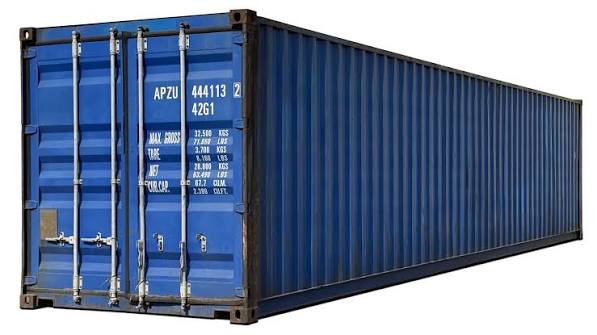
40ft Containers: The Ultimate Solution for Secure Storage
40ft containers are the cornerstone of modern secure storage solutions for businesses, construction sites, and industrial operations that demand reliable, scalable, and weather‑resistant space. At Ave Storage Container LLC, we specialize in providing high‑quality 40ft storage containers that meet the rigorous standards of commercial storage containers, industrial storage containers, and heavy‑duty 40ft containers used across a wide range of sectors. Whether you are looking to buy 40ft containers for permanent installations or prefer the flexibility of rent 40ft containers for short‑term projects, our extensive inventory ensures that you find the perfect fit for any requirement. Our steel storage containers are engineered from corrosion‑resistant weatherproof storage containers that protect your valuable assets from the elements, while the spacious 40ft container dimensions offer ample room for inventory, equipment, or modular office setups. In this comprehensive guide, we explore the features, benefits, and practical applications of 40ft shipping containers, and explain why choosing affordable 40ft containers from a trusted provider can transform your storage strategy.
What Are 40ft Containers?
40ft containers are standardized modular units originally designed for intermodal freight transport, but their robust construction and adaptable design have made them a popular choice for secure storage solutions in non‑shipping contexts as well. Typically constructed from corten steel, these units provide a heavy‑duty 40ft container that can withstand harsh environmental conditions while offering the flexibility of portable 40ft containers that can be relocated as needs change. The 40ft container dimensions conform to international ISO standards, measuring approximately 12.2 meters in length, 2.4 meters in width, and 2.6 meters in height, which yields an internal volume of roughly 33 cubic meters. This size makes them ideal for commercial storage containers that require bulk space for inventory, equipment, or even temporary office facilities. The standardized dimensions also ensure compatibility with onsite 40ft container rental services, as they can be easily transported via standard flatbed trucks and positioned using cranes or reach stackers.
40ft Containers: Key Features and Specifications
40ft storage containers are built to meet rigorous performance criteria, including:
- Steel storage containers with corrosion‑resistant coatings that extend service life.
- Weatherproof storage containers featuring reinforced seams and locking mechanisms to prevent water ingress.
- Heavy‑duty 40ft containers designed to support stacking of up to eight units when fully loaded.
- Portable 40ft containers equipped with fork pockets and corner castings for easy handling.
These specifications make 40ft containers suitable for both buy 40ft containers and rent 40ft containers scenarios, providing flexibility for a wide range of applications.
40ft Containers: Standard Dimensions and Internal Capacity
The 40ft container dimensions are standardized to facilitate global logistics. The external length is 40 feet (12.19 m), width 8 feet (2.44 m), and height 8 feet 6 inches (2.59 m). Internal dimensions are slightly smaller, typically around 12.032 m length, 2.352 m width, and 2.393 m height, yielding an internal floor area of approximately 28.3 m². The maximum gross mass (including contents) is 30 480 kg, with a payload capacity of roughly 21 770 kg, making heavy‑duty 40ft containers capable of storing large machinery, bulk commodities, or multiple pallets of inventory.
40ft Containers: Construction Materials: Steel and Weatherproofing
The primary material for steel storage containers is corten steel, a weather‑resistant alloy that forms a protective patina over time, reducing corrosion and extending the unit’s lifespan. Each container is welded with reinforced corner posts and floor frames that provide structural integrity. To achieve weatherproof storage containers, manufacturers apply marine‑grade anti‑corrosion coatings to the exterior and install rubber gaskets around doors and ventilation vents, ensuring that interior contents remain dry even in extreme climates.
Benefits of 40ft Storage Containers
Choosing 40ft storage containers offers multiple advantages that make them a preferred choice for commercial storage containers and industrial storage containers alike.
40ft Containers: Versatility and Portability
One of the key benefits of portable 40ft containers is their adaptability. They can be used as temporary warehouses, on‑site offices, pop‑up retail spaces, or even as housing units for remote work crews. Their modular design allows for quick configuration changes, and because they are built to be moved, they can be transported across job sites without extensive groundwork.
40ft Containers: Security and Weatherproofing
Secure storage solutions rely on robust locking mechanisms, steel doors, and reinforced walls to deter theft and vandalism. Weatherproof storage containers protect sensitive equipment from rain, snow, humidity, and temperature fluctuations, making them suitable for storing electronics, chemicals, or perishable goods in any season.
40ft Containers: Cost‑Effectiveness
Compared to traditional brick‑and‑mortar construction, affordable 40ft containers provide a lower total cost of ownership. Their modular nature reduces the need for extensive foundations, and the ability to rent 40ft containers allows businesses to avoid large upfront capital expenditures while maintaining scalability.
Applications for 40ft Containers
40ft containers serve a broad spectrum of industries, from construction and manufacturing to retail and event management.
40ft Containers: Commercial Storage Solutions
Commercial storage containers are ideal for retailers needing overflow inventory space, distributors requiring bulk storage, or businesses seeking a cost‑effective way to expand their warehousing capacity. The spacious 40ft container dimensions allow for efficient pallet stacking and easy forklift access.
40ft Containers: Industrial and Heavy‑Duty Use
Industrial storage containers and heavy‑duty 40ft containers are engineered to support the weight of heavy machinery, steel beams, or large quantities of raw materials. Their robust steel frames can endure the stress of frequent loading and unloading, making them a staple on construction sites and manufacturing facilities.
40ft Containers: Onsite 40ft Container Rental
For projects with temporary needs, onsite 40ft container rental offers a flexible solution. Companies can lease a container for the duration of a project, avoiding long‑term commitment and storage costs. Rental agreements often include delivery, placement, and pickup services, streamlining the logistics.
40ft Containers: Additional Use Cases
- Modular office spaces: Equip 40ft containers with electrical wiring, HVAC, and interior finishes to create comfortable on‑site offices.
- Event kiosks: Convert portable 40ft containers into pop‑up shops or exhibition booths.
- Residential solutions: Stack and insulate steel storage containers to form affordable housing units.
Buying vs. Renting 40ft Containers
Deciding whether to buy 40ft containers or rent 40ft containers depends on project duration, budget, and long‑term storage needs.
40ft Containers: Why Buy 40ft Containers?
Purchasing 40ft containers provides long‑term asset ownership, allowing businesses to customize the unit to specific requirements. Ownership also eliminates monthly rental fees, resulting in lower cost over extended periods. For companies with ongoing storage demands—such as permanent warehouse capacity or repeated construction projects—buy 40ft containers is a sound investment.
40ft Containers: Why Rent 40ft Containers?
Rent 40ft containers offers flexibility for short‑term projects, seasonal inventory spikes, or temporary on‑site storage. Rental agreements can be structured on a monthly or quarterly basis, with the option to extend or terminate as needed. Additionally, rental includes maintenance and support, reducing operational burden.
How to Choose the Right 40ft Container
Selecting the appropriate 40ft container involves evaluating several factors to ensure it meets your operational requirements.
40ft Containers: Assessing Your Storage Needs
Begin by determining the volume and weight of items you plan to store. The 40ft container dimensions provide roughly 33 m³ of usable space, which can accommodate up to 21 770 kg of payload. If your inventory exceeds this capacity, consider multiple units or a larger container size.
40ft Containers: Evaluating Quality and Condition
When buy 40ft containers, inspect the structural integrity, floor condition, and corrosion levels. New steel storage containers typically come with a warranty and minimal wear, while used units may show signs of use but are often available at a lower price point. Ensure that any used container meets safety standards for your intended application.
40ft Containers: Considering Additional Features
- Door options: Single‑door, double‑door, or open‑side configurations.
- Insulation: For temperature‑sensitive goods, consider insulated weatherproof storage containers.
- Security enhancements: Add lock boxes, alarm systems, or biometric access for high‑value items.
Our Offerings at Ave Storage Container LLC
At Ave Storage Container LLC, we pride ourselves on delivering top‑tier 40ft containers tailored to your specific needs. Our inventory includes both new and used units, ensuring a range of options to fit any budget.
40ft Containers: New and Used 40ft Containers
We stock a diverse selection of new 40ft containers that arrive in pristine condition, complete with manufacturer warranties. Our used 40ft containers undergo rigorous inspection and refurbishment, ensuring they meet the same safety and performance standards as new units. Whether you prefer the cost savings of a used container or the peace of mind that comes with a brand‑new unit, we have the right solution for you.
40ft Containers: Customization Options
We offer a variety of customization services to transform a standard steel storage container into a purpose‑built solution:
- Interior shelving and racking systems for organized storage.
- Electrical and plumbing installations for office or restroom conversions.
- Ventilation and HVAC units for climate control.
- Branding and signage for corporate identity.
40ft Containers: Delivery and Installation Services
Our logistics team provides reliable onsite 40ft container rental and delivery services across the region. We handle transportation, placement, and anchoring, ensuring your container is operational the moment it arrives. For purchase orders, we also offer installation of accessories such as ramps, stairs, and security systems.
Your Comprehensive Guide to Versatile Shipping Solutions
Other types of containers from 40ft are the cornerstone of modern logistics, offering businesses a spectrum of options to match every cargo requirement. Whether you need a compact 20ft shipping container for smaller lots or a high‑cube unit for extra volume, selecting the right container type ensures efficiency, safety, and cost‑effectiveness. In this guide we explore the full range of other types of containers from 40ft, highlighting their distinct features, typical uses, and how they integrate into broader intermodal freight solutions. By understanding the technical specifications and practical advantages of each container style, you can make informed decisions that optimize your supply chain, reduce handling costs, and enhance the security of your goods.
20ft Shipping Container
Why Choose a 20ft Shipping Container?
The 20ft shipping container remains a preferred choice for shipments that do not require the full length of a 40ft unit. Its compact footprint fits seamlessly into rail cars, barges, and tight port terminals, making it ideal for bulk shipping containers that travel through mixed modes of transport. Additionally, the shorter length reduces inland transportation costs, especially for regional deliveries where route constraints favor smaller vehicles.
Typical 20ft Shipping Container Dimensions
- External length: 20 ft (6.058 m)
- External width: 8 ft (2.438 m)
- External height: 8 ft 6 in (2.591 m)
- Payload capacity: up to 28,200 kg (62,170 lb)
These shipping container dimensions deliver a cargo volume of approximately 33 m³, providing enough space for a wide variety of goods while maintaining a high durability steel rating.
Best Practices for Loading
- Distribute weight evenly to prevent tier‑shift during transit.
- Use customized container storage such as removable shelving for palletized items.
- Secure fragile loads with bracing and cushioning materials.
High Cube Containers
Advantages of High Cube Containers
When cargo exceeds the standard height of a conventional container, high cube containers offer an additional foot of vertical clearance—typically 9 ft 6 in internal height versus the standard 8 ft 6 in. This extra headroom translates into greater volume, allowing you to ship taller machinery, bulk commodities, or densely packed palletized goods without resorting to multiple units.
High Cube Container Specifications
| Feature | Standard 40ft | High Cube 40ft |
|---|---|---|
| Internal Length | 12.032 m | 12.032 m |
| Internal Width | 2.352 m | 2.352 m |
| Internal Height | 2.393 m | 2.698 m |
| Max Payload | 26,680 kg | 26,460 kg |
The slight reduction in payload is offset by the increased cubic capacity, making high cube containers a favored option for industrial cargo solutions that require volume over weight.
Optimal Use Cases
- Versatile storage containers for lightweight, bulky items such as furniture, textiles, and automotive parts.
- Refrigerated shipping containers in high‑cube format for larger loads of perishable goods.
- Open top shipping containers when height restrictions prohibit loading via standard doors.
Open Top Shipping Containers
When an Open Top Is Necessary
Certain cargo cannot be loaded through standard door openings due to height, width, or irregular shape. Open top shipping containers feature a removable tarpaulin roof, enabling crane or forklift access from above. This design is indispensable for machinery, large crates, and project cargo that exceeds container height limits.
Key Features
- Roof: Removable steel arches covered with heavy‑duty tarpaulin.
- Doors: Standard swing‑door configuration at one end.
- Strength: Built with durable steel corner posts and cross members to maintain structural integrity.
Industries That Benefit
- Industrial cargo solutions for heavy equipment, turbines, and large‑scale components.
- Bulk shipping containers for commodities loaded via conveyors, such as grains or aggregates.
- Customized container storage for oversized project items that require on‑site assembly.
Flat Rack Containers
Flat Rack Container Design
Flat rack containers consist of a floor structure with no side walls or roof, offering maximum flexibility for loads that exceed the width or length of standard containers. They are engineered with robust steel flooring and fold‑away collapsible sides, allowing easy loading from the sides or ends.
Typical Applications
- Heavy machinery, large pipes, and steel coils.
- Industrial cargo solutions for large, indivisible items.
- Bulk shipping containers for cargo that can be loaded directly onto the flat rack platform.
Advantages
- Versatile storage containers that can be combined with tarpaulins for weather protection.
- Higher payload capacity for durable steel-reinforced models, often exceeding 40 tons.
- Compatibility with intermodal freight solutions, enabling seamless transitions between ship, rail, and road.
Refrigerated Shipping Containers
Keeping Cargo Cold
Refrigerated shipping containers, also known as reefers, are equipped with integrated cooling units that maintain temperatures ranging from -30°C to +30°C. These units are essential for transporting perishable goods such as food, pharmaceuticals, and chemicals that require strict temperature control.
Technical Highlights
- Temperature range: -30°C to +30°C (adjustable).
- Power supply: Pre‑fitted with diesel‑electric or electric plug‑in options for intermodal freight solutions.
- Insulated panels: High‑performance insulated containers that minimize thermal loss.
Benefits for Your Supply Chain
- Customized container storage with built‑in monitoring systems for real‑time temperature tracking.
- Reduced product waste and spoilage, leading to higher profit margins.
- Compatibility with high cube containers for larger cold‑chain volumes.
Insulated Containers
Thermal Protection Without Mechanical Cooling
While refrigerated shipping containers rely on active cooling, insulated containers provide passive thermal protection by using high‑density foam panels. They are ideal for transporting goods that are sensitive to temperature fluctuations but do not require active refrigeration, such as electronics, chemicals, and certain pharmaceutical products.
Insulation Specifications
- Wall thickness: 50‑100 mm of polyurethane foam.
- Thermal conductivity: ≤ 0.025 W/m·K.
- Payload: Comparable to standard durable steel containers, with minimal added weight.
Use Cases
- Customized container storage for temperature‑sensitive products that need protection from external heat or cold.
- Versatile storage containers for high‑value goods that benefit from a stable internal climate.
- Industrial cargo solutions requiring moderate thermal control without the cost of refrigerated units.
Shipping Container Dimensions
Understanding Container Measurements
Knowledge of shipping container dimensions is critical for planning load configuration, selecting the appropriate transport mode, and ensuring compliance with road and rail restrictions. Below is a concise reference for the most common sizes relevant to other types of containers from 40ft.
| Container Type | Length (m) | Width (m) | Height (m) | Volume (m³) |
|---|---|---|---|---|
| 20ft Standard | 6.058 | 2.438 | 2.591 | 33.2 |
| 40ft Standard | 12.192 | 2.438 | 2.591 | 67.7 |
| 40ft High Cube | 12.192 | 2.438 | 2.698 | 76.4 |
| 40ft Open Top | 12.192 | 2.438 | 2.591 | 67.7 |
| 40ft Flat Rack | 12.192 | 2.438 | 2.591 | — |
| 40ft Reefer | 12.192 | 2.438 | 2.591 | 67.7 |
Why Dimensional Accuracy Matters
- Intermodal freight solutions depend on precise measurements to match container slots on vessels, rail wagons, and trucks.
- Customized container storage often requires interior modifications (shelving, racks, or climate controls) that must fit within the internal dimensions.
- Proper planning reduces the risk of costly delays, over‑age fees, and load‑shifting accidents.
Intermodal Freight Solutions
Seamless Transition Across Transport Modes
Intermodal freight solutions refer to the coordinated use of multiple transport modes—ship, rail, and road—within a single supply chain. The right container type is pivotal for maintaining cargo integrity, minimizing handling, and achieving cost efficiencies.
Core Components of Intermodal Logistics
- Container selection: Matching 20ft shipping container, high cube containers, or specialized units to the specific cargo and mode.
- Terminal infrastructure: Utilizing port and rail terminal facilities equipped for flat rack containers, open top shipping containers, and refrigerated shipping containers.
- Digital tracking: Implementing IoT‑based monitoring for temperature, location, and security.
Business Benefits
- Reduced handling costs: Direct transfer from one mode to another without repackaging.
- Enhanced reliability: Predictable schedules thanks to integrated rail and sea services.
- Scalability: Ability to expand routes without compromising on durable steel container standards.
Customized Container Storage
Tailored Internal Configurations
Customized container storage transforms standard containers into purpose‑built storage units. Options include adjustable shelving, pallet racking, climate‑control installations, and security systems. This flexibility makes containers ideal for temporary warehouses, on‑site offices, or pop‑up retail spaces.
Common Customizations
- Insulated panels for temperature‑sensitive storage.
- Reinforced flooring to support heavy machinery.
- Electrical and plumbing installations for mobile offices or living quarters.
Industries Served
- Industrial cargo solutions needing secure, portable storage for spare parts.
- Bulk shipping containers repurposed for grain or aggregate storage in remote locations.
- Versatile storage containers for event logistics, such as exhibition booths or temporary stalls.
Bulk Shipping Containers
Efficient Handling of Loose Cargo
Bulk shipping containers, often referred to as “bulk bins,” are designed for commodities loaded in large quantities without packaging—grains, minerals, chemicals, and cement. These units incorporate loading hatches on the roof and discharge doors on the floor, enabling rapid loading and unloading via conveyors or gravity flow.
Structural Highlights
- Robust steel construction with durable steel reinforcement to withstand heavy loads.
- Cargo discharge systems: Multiple hopper doors for efficient emptying.
- Ventilation options to prevent moisture buildup during transit.
Advantages Over Traditional Methods
- Cost savings: Reduced labor and packaging expenses.
- Speed: Faster loading/unloading times, crucial for high‑volume ports.
- Versatility: Compatible with intermodal freight solutions across rail, road, and sea.
Industrial Cargo Solutions
Catering to Heavy‑Industry Needs
Industrial cargo solutions encompass the specialized handling of machinery, large components, and project cargo. The right container choice ensures that oversized or heavy items arrive intact, on time, and in compliance with regulatory standards.
Preferred Container Types
- Flat rack containers for wide or heavy loads.
- Open top shipping containers for height‑restricted cargo.
- High cube containers for voluminous industrial equipment.
Value‑Added Services
- Customized container storage with cradles or bolsters to secure complex shapes.
- Insurance and risk management tailored to high‑value industrial goods.
- Logistics coordination involving heavy‑lift charters and port handling.
Shipping Container Logistics
End‑to‑End Container Management
Effective shipping container logistics orchestrates the movement of containers from origin to destination, encompassing booking, tracking, customs clearance, and final delivery. Leveraging digital platforms and data analytics ensures transparency and responsiveness throughout the supply chain.
Logistics Best Practices
- Early booking of specialized units like refrigerated shipping containers or flat rack containers to guarantee availability.
- Real‑time monitoring via GPS and temperature sensors for insulated containers and reefers.
- Strategic repositioning of empty containers to reduce deadhead mileage and lower costs.
Impact on Business Performance
- Higher reliability: Consistent delivery schedules enhance customer satisfaction.
- Cost efficiency: Optimized container utilization and route planning reduce overall freight spend.
- Sustainability: Fewer empty miles translate into lower carbon emissions, aligning with green‑logistics goals.
Versatile Storage Containers
Beyond Transport: Temporary and Permanent Storage
Versatile storage containers serve as portable warehouses, on‑site offices, or emergency shelters. Their durable steel construction, weather resistance, and modular design make them a flexible solution for industries ranging from construction to retail.
Common Configurations
- Office containers with HVAC, lighting, and communication fixtures.
- Workshop containers equipped with workbenches and tool storage.
- Housing containers for temporary employee accommodation.
Benefits
- Rapid deployment: Quick setup and relocation compared to traditional brick‑and‑mortar structures.
- Cost‑effective: Lower capital expenditure and maintenance costs.
- Scalability: Easy stacking or joining to expand capacity.
Durable Steel Containers
The Foundation of Reliability
All container types discussed—whether 20ft shipping container, high cube containers, or refrigerated shipping containers—share one critical attribute: durable steel construction. This material provides unparalleled strength, corrosion resistance, and longevity, ensuring that your cargo remains secure across countless voyages.
Steel Grades and Finishes
- Corten steel: Weather‑resistant alloy that forms a protective patina, reducing maintenance needs.
- Galvanized coating: Extra layer of protection against rust, especially for insulated containers used in humid environments.
- Marine‑grade paint: Applied to external surfaces to withstand salty ocean conditions.
Why Durability Matters
- Safety: Minimizes the risk of container failure, protecting both goods and personnel.
- Longevity: Extends the service life of the container, delivering better ROI.
- Resale value: High‑quality durable steel containers retain value, making them attractive for secondary markets.
Understanding other types of containers from 40ft equips you with the knowledge to select the optimal unit for every cargo challenge. From the compact 20ft shipping container to the expansive high cube containers, and from specialized refrigerated shipping containers to robust flat rack containers, each type brings distinct advantages that, when aligned with your logistics strategy, drive efficiency, reduce costs, and enhance reliability. By leveraging intermodal freight solutions, investing in customized container storage, and choosing durable steel construction, your business can confidently navigate the complexities of modern supply chains while staying ahead of industry demands.
Frequently Asked Questions
What are the standard dimensions of a 40ft container?
The 40ft container dimensions are 40 ft (12.19 m) in length, 8 ft (2.44 m) in width, and 8 ft 6 in (2.59 m) in height. Internal dimensions are slightly smaller, typically around 12.032 m × 2.352 m × 2.393 m.
Can I customize the interior of a 40ft storage container?
Yes, 40ft storage containers can be customized with shelving, flooring, lighting, electrical outlets, HVAC, and other features to suit your specific operational needs.
Are 40ft containers weatherproof?
Our weatherproof storage containers are built with corrosion‑resistant steel and sealed doors to prevent water intrusion, making them suitable for outdoor storage in any climate.
Do you offer financing options for purchasing 40ft containers?
We provide flexible financing plans for customers looking to buy 40ft containers, including lease‑to‑own options and low‑interest loans.
How quickly can I get a rented container delivered?
Our onsite 40ft container rental service typically delivers within 48‑72 hours of order confirmation, depending on location and availability.
Contact Us for a Custom Quote
Ready to transform your storage capabilities? Contact Ave Storage Container LLC today to discuss your project requirements. Our team of experts will help you select the perfect 40ft containers, whether you are looking to buy 40ft containers or explore rent 40ft containers options. We offer competitive pricing, comprehensive customization, and reliable delivery throughout the region.