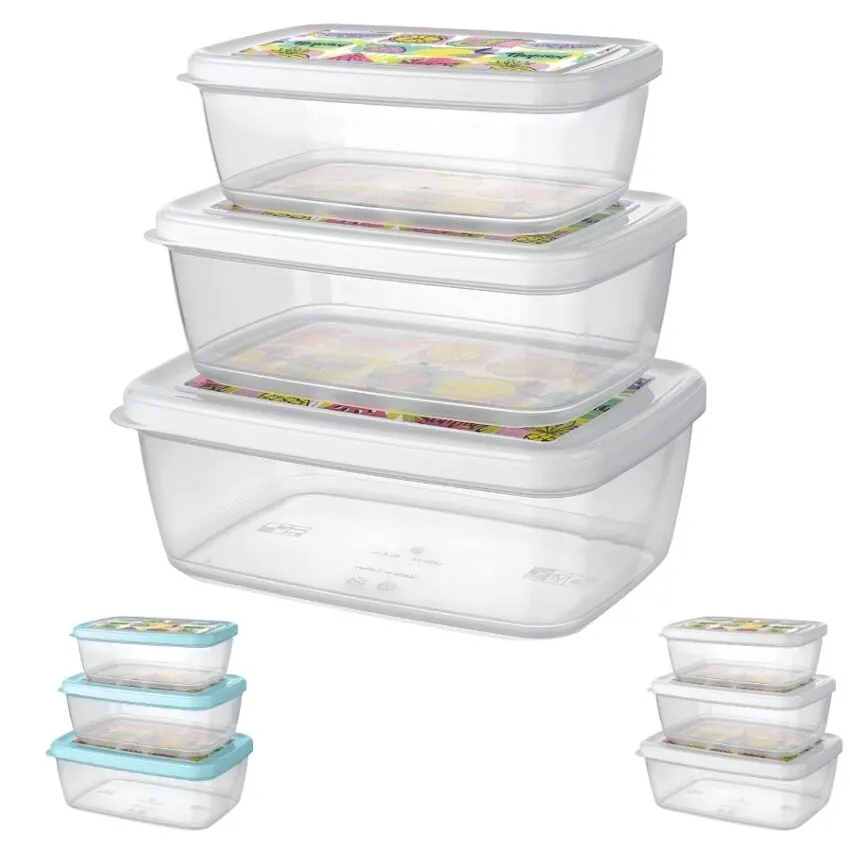
Buy Storage Containers in Bulk
Buy Storage Containers in Bulk: Transform Your Warehouse Efficiency Today Finding reliable solutions for large‑scale inventory management often leads businesses […]
 Skip to content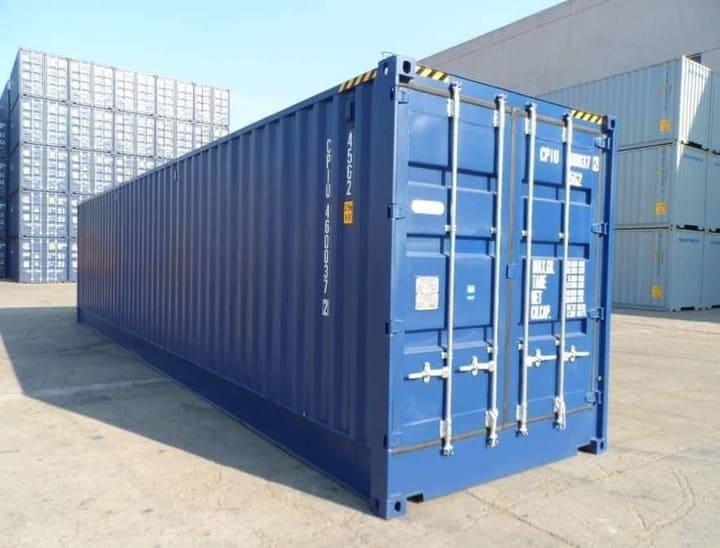
Storage solutions have become an essential resource for homeowners, businesses, and organizations across the country. Whether you are relocating to a new home, managing a growing business, or simply need extra space to store belongings, understanding the various options available can help you make informed decisions that save time, money, and stress. This comprehensive guide explores the full spectrum of portable storage containers, self-storage alternatives, and specialized options designed to meet diverse needs.
The storage industry has evolved significantly over the past decade, offering more flexible and convenient options than traditional self-storage facilities. Residential storage units and commercial storage containers now come in various configurations to accommodate everything from household items during a move to large inventory for businesses.
Modern storage solutions encompass a wide range of services and products, including:
The key advantage of contemporary storage options lies in their flexibility. Unlike conventional self-storage facilities that require you to transport belongings to a distant location, many providers now bring the storage unit to you, eliminating the need for multiple trips and simplifying the entire process.
Portable storage containers represent one of the most popular self-storage alternatives available today. These units offer unparalleled convenience, as they can be delivered to your home or business and loaded at your own pace.
Portable storage containers provide numerous advantages over traditional storage methods. First, they eliminate the need for transporting items to a storage facility, saving you time and transportation costs. Second, they offer flexible loading schedules, allowing you to pack and organize your belongings without feeling rushed. Third, many providers offer climate-controlled options to protect sensitive items from temperature and humidity fluctuations.
These containers come in various sizes to accommodate different needs. Whether you are storing a few boxes during a transitional period or furnishing an entire household during a move, there is a container size appropriate for your requirements. Most providers offer sizes ranging from small units suitable for studio apartments to large containers that can hold the contents of a multi-bedroom home.
Portable storage containers serve numerous purposes beyond traditional moving scenarios. Homeowners frequently use them during home renovations, when furniture and belongings need to be temporarily removed from the work area. College students use them during summer breaks to store dorm room contents. Military families appreciate the flexibility these units offer during deployments. Additionally, businesses utilize mobile storage services to manage inventory during peak seasons or while relocating to new premises.
Residential storage units provide an excellent solution for homeowners who need additional space without the commitment of permanent additions to their property. These units are particularly valuable during life transitions such as moving, downsizing, or welcoming new family members.
There are numerous situations where residential storage units prove invaluable. Downsizing to a smaller home often means parting with beloved furniture and keepsakes that simply won’t fit in the new space. Rather than discarding these items, storing them allows you to maintain your belongings while adjusting to a new living situation. Similarly, families anticipating the arrival of a new baby may need temporary storage for nursery furniture or items that will be needed later.
Residential storage units also serve practical purposes for seasonal items. Sports equipment, holiday decorations, and outdoor furniture can be stored during off-seasons, freeing up valuable space in your home. This approach maintains organization while ensuring items remain in good condition until they are needed again.
Selecting the appropriate residential storage unit requires careful consideration of several factors. First, assess the volume of items you need to store by taking inventory of everything you plan to place in the unit. Second, consider the duration of storage—some items require short-term solutions, while others may need long-term storage options. Third, evaluate whether climate-controlled storage is necessary for sensitive items such as wooden furniture, electronics, or photographs.
Most storage providers offer complimentary assessments to help you determine the appropriate unit size. Taking advantage of these services ensures you select a unit that accommodates your needs without paying for unnecessary space.
Commercial storage containers cater specifically to business needs, offering secure and flexible solutions for inventory management, equipment storage, and operational support. These units differ from residential options in their construction, security features, and accessibility options.
Businesses benefit from commercial storage containers in multiple ways. Retail businesses can use these units to store excess inventory during slow seasons, freeing up valuable retail space for current merchandise. Construction companies store equipment and materials on job sites, ensuring necessary items are readily available without returning to a central warehouse. Healthcare providers maintain medical records and supplies in secure, compliant storage units.
Industrial storage units often feature enhanced security measures appropriate for valuable business assets. These may include advanced locking mechanisms, surveillance systems, and restricted access protocols. Many providers also offer insurance options specifically designed for commercial storage, providing additional peace of mind for business owners.
Many businesses require long-term storage options for records retention, seasonal inventory, or equipment that will be used in future projects. Commercial storage containers designed for long-term use typically offer discounted rates and flexible terms. Additionally, these units often include climate control to protect sensitive documents and equipment from deterioration over extended periods.
Mobile storage services represent the most convenient option for those seeking hassle-free storage solutions. These services handle every aspect of the storage process, from initial delivery to final pickup, minimizing the effort required from customers.
Mobile storage services typically follow a simple process. First, you contact the provider to discuss your needs and schedule a delivery. Second, the company delivers a storage container to your location at an agreed-upon time. Third, you load the container at your own pace, taking as much time as you need. Fourth, when finished loading, you contact the provider to schedule pickup. Fifth, the company transports the container to their facility, where it remains secure until you need it returned.
This approach eliminates multiple trips to a storage facility, reduces the physical demands of moving, and provides flexibility that traditional self-storage cannot match. Many customers find that the time and effort saved justify any additional costs associated with these services.
The primary benefit of mobile storage services is convenience. Customers avoid the challenge of transporting large items and multiple trips to a storage facility. The loading process can occur over several days or weeks, accommodating busy schedules without rushed decisions. Additionally, items remain accessible in the container until you are ready for pickup, providing ongoing access to belongings throughout the moving or transition process.
Secure storage containers incorporate advanced security features designed to protect your belongings from theft, damage, and unauthorized access. Understanding these features helps you select a storage solution that provides appropriate protection for your specific items.
When evaluating secure storage containers, consider several important security features. Physical security measures include heavy-duty locks, reinforced doors, and tamper-resistant construction. Electronic security may include surveillance cameras, alarm systems, and electronic access controls. Staff security involves trained personnel who monitor the facility and respond to incidents.
Many facilities now incorporate biometric access systems, requiring fingerprint or facial recognition for entry. Others use license plate recognition technology to track vehicles entering and exiting the property. These advanced systems significantly reduce the risk of unauthorized access and provide documentation if any issues arise.
Beyond physical security measures, reputable storage providers offer insurance options to protect your belongings. While secure storage containers significantly reduce risks, unexpected events such as natural disasters, fires, or water damage can still occur. Insurance provides financial protection in these situations, ensuring you can replace damaged or destroyed items.
When selecting insurance coverage, carefully review policy limits, deductibles, and covered events. Some policies exclude certain items or limit coverage for high-value possessions. Consider obtaining additional coverage through your homeowner’s insurance policy or specialized riders for particularly valuable items.
Selecting appropriate storage container sizes ensures you have adequate space for your belongings without paying for unnecessary capacity. Most providers offer various sizes to accommodate different needs, from small units for a few boxes to large containers for entire households.
Storage container sizes typically fall into several categories. Small units, often called “lockers” or “closets,” accommodate the contents of a single room or a few boxes. Medium units fit the contents of a one-bedroom apartment, including furniture. Large units accommodate two-bedroom or three-bedroom apartments. Extra-large units serve larger homes and may hold the contents of a four-bedroom house or more.
Some providers offer custom sizes for specific needs. Businesses with unusual inventory sizes or unique items may require custom solutions. Discuss your specific requirements with potential providers to determine what options are available.
Accurately estimating storage container sizes prevents the frustration of running out of space or paying for excess capacity. Begin by taking inventory of everything you plan to store, categorizing items by room or type. Measure large furniture items to ensure they will fit in your chosen container. Consider whether you need to leave walking space within the container for accessing items placed in the back.
Many storage providers offer online size calculators or consultation services to help with this process. Providing a detailed inventory to these professionals can result in more accurate recommendations. Some providers even offer site visits to assess your items personally before recommending a container size.
Climate-controlled storage maintains consistent temperature and humidity levels throughout the storage unit, protecting sensitive items from damage caused by extreme conditions. Understanding when climate control is necessary helps you select appropriate storage solutions.
Certain items benefit significantly from climate-controlled storage. Wooden furniture can warp or crack in extreme temperatures or humidity levels. Electronics may suffer damage from moisture or temperature fluctuations. Photographs and documents can deteriorate, becoming sticky or discolored. Artwork and collectibles often require stable environments to maintain their condition. Wine and certain foods require specific temperature ranges to remain viable.
Climate-controlled storage is particularly important for long-term storage of these items. Short-term storage may not cause immediate damage, but extended exposure to unstable conditions takes a toll over time. When planning extended storage for sensitive items, climate control is almost always worthwhile.
Modern climate control systems in storage facilities maintain temperatures typically between 55 and 85 degrees Fahrenheit, depending on the facility and unit type. Humidity levels are generally maintained below 60% to prevent mold growth and moisture damage. These systems operate continuously, ensuring consistent conditions regardless of external weather.
When touring potential storage facilities, observe whether climate-controlled units feel noticeably different from standard units. Ask about system maintenance schedules and backup systems in case of equipment failure. Understanding these details helps you select a facility that genuinely protects your sensitive items.
Understanding the differences between long-term storage options and short-term storage rentals helps you select the most cost-effective solution for your specific situation. Each type of rental offers distinct advantages depending on your needs.
Short-term storage rentals typically offer maximum flexibility, allowing you to rent storage space for days, weeks, or months without long-term commitments. These options suit temporary needs such as moving transitions, home renovations, or seasonal storage. Many providers offer discounted rates for extended short-term rentals, making this option economical for needs lasting several months.
Short-term rentals allow you to test a facility before committing to long-term arrangements. You can evaluate security, accessibility, and customer service before signing extended agreements. This flexibility proves valuable for those new to an area or uncertain about their future storage needs.
Long-term storage options often provide significant cost savings for extended needs. Monthly rates typically decrease with longer commitments, and some facilities offer annual pricing that substantially reduces per-month costs. Long-term arrangements also ensure continued access to your chosen unit without worrying about availability or rate increases.
Businesses particularly benefit from long-term storage options when storing inventory, records, or equipment needed periodically. Knowing that storage space is consistently available provides operational stability. Additionally, long-term relationships with storage providers often result in better customer service and priority treatment.
Industrial storage units cater to businesses and individuals with specialized storage requirements beyond standard residential or commercial needs. These units often feature enhanced capabilities, larger sizes, and specialized features.
Industrial storage units typically offer greater square footage than standard units, accommodating large equipment, machinery, or bulk inventory. Construction materials, manufacturing supplies, and commercial vehicles often require these larger spaces. Many industrial storage facilities feature high ceilings, allowing vertical stacking of items to maximize space utilization.
These facilities often provide additional services such as loading docks, forklift rentals, and packaging supplies. Some offer fulfillment services, managing inventory and shipping items on behalf of businesses. These capabilities transform simple storage into comprehensive supply chain solutions.
Industrial storage units serve numerous business functions beyond basic storage. Retail businesses store excess merchandise during peak seasons, fulfilling online orders directly from storage. Construction companies maintain job sites with materials and equipment accessible when needed. Healthcare providers store medical equipment and supplies in compliant, accessible facilities. Event companies store supplies, decorations, and equipment for recurring events.
Finding affordable storage solutions requires research and understanding of what factors influence pricing. While cost should not be the only consideration, staying within budget while meeting needs is important.
Several factors influence the cost of affordable storage solutions. Location significantly affects pricing, with facilities in urban areas typically charging more than those in suburban or rural locations. Unit size directly impacts cost, with larger units commanding higher prices. Climate control adds premium to standard rates. Security features and accessibility options also influence pricing.
Understanding these factors helps you identify opportunities for savings. Choosing a facility slightly farther from prime locations may substantially reduce costs. Selecting the smallest unit that meets your needs prevents overpaying for unnecessary space. Comparing multiple providers reveals significant pricing variations.
Finding affordable storage solutions involves strategic approaches. First, compare multiple providers in your area, noting both advertised rates and any available promotions. Second, consider signing longer agreements to access discounted rates. Third, inquire about off-peak pricing, as some facilities offer reduced rates during slower seasons. Fourth, ask about any discounts available for specific groups such as students, military members, or seniors.
Some providers offer price matching or will negotiate rates, particularly for long-term arrangements or large unit rentals. Don’t hesitate to discuss pricing with potential providers—you may be surprised by their flexibility.
Onsite storage containers remain positioned at your property, providing convenient access to stored items without traveling to a storage facility. These solutions balance the accessibility of personal storage with the security of professional facilities.
Onsite storage containers offer unique advantages for specific situations. During home renovations, having a container immediately outside provides easy access to items as needed. For businesses, onsite containers keep inventory accessible without dedicating valuable commercial space to storage. For households with limited home storage, these containers provide additional space without sacrificing living areas.
The primary benefit of onsite storage containers is accessibility. Unlike distant storage facilities that require travel, onsite containers allow you to access stored items instantly. This convenience proves invaluable for items needed regularly or during ongoing projects.
Onsite storage containers require adequate space at your property for placement. Most providers need a clear area approximately the size of a parking space, with access for delivery trucks. Municipal regulations may restrict container placement in certain areas, particularly homeowner association communities or historic districts.
Security considerations differ for onsite storage containers compared to facility storage. While providers secure containers to prevent theft, they remain on your property, relying on your existing security measures. Discuss security options with providers, including lock types and container anchoring systems.
Storage solutions encompass a diverse range of options designed to meet virtually any need, from simple short-term rentals to comprehensive commercial inventory management. Understanding the various types available—portable storage containers, residential storage units, commercial storage containers, and specialized options—helps you select the solution best suited to your specific situation.
When evaluating options, consider factors beyond immediate cost savings. The value of convenience, accessibility, security, and flexibility often justifies slightly higher rates. Similarly, investing in climate control for sensitive items prevents costly damage over time. Taking the time to thoroughly assess your needs results in storage solutions that serve you well throughout the transition or storage period.
Whether you are moving to a new home, managing business inventory, or simply need additional space, the right storage solutions provide the flexibility and security necessary for peace of mind. By following the guidance in this comprehensive guide, you can confidently select the storage option that meets your needs while protecting your valuable belongings.
Buy Storage Containers in Bulk: Transform Your Warehouse Efficiency Today Finding reliable solutions for large‑scale inventory management often leads businesses […]
Buy Storage Containers for Kitchen: Transform Your Culinary Space with Smart Organization Buy Storage Containers for Kitchen is the first
What does Buy Storage Container Contents mean? Buy Storage Container Contents refers to the process of purchasing the items stored
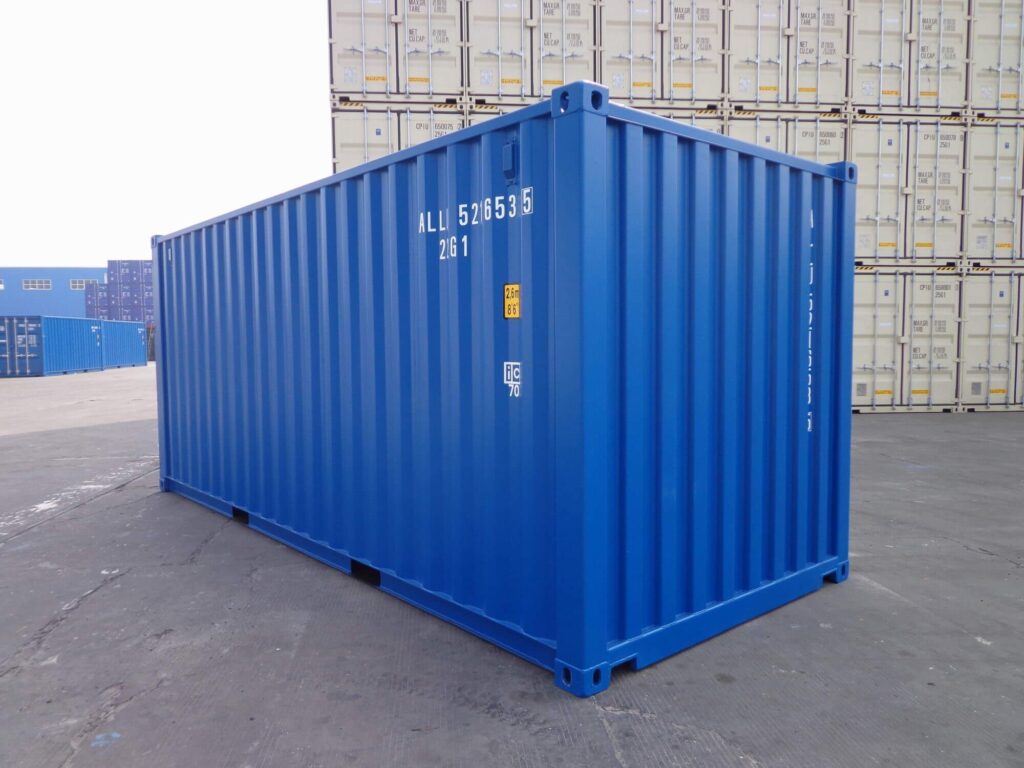
Buy Storage Containers Near Me: Find the Perfect Solution for Your Space Needs Buy Storage Containers Near Me is a
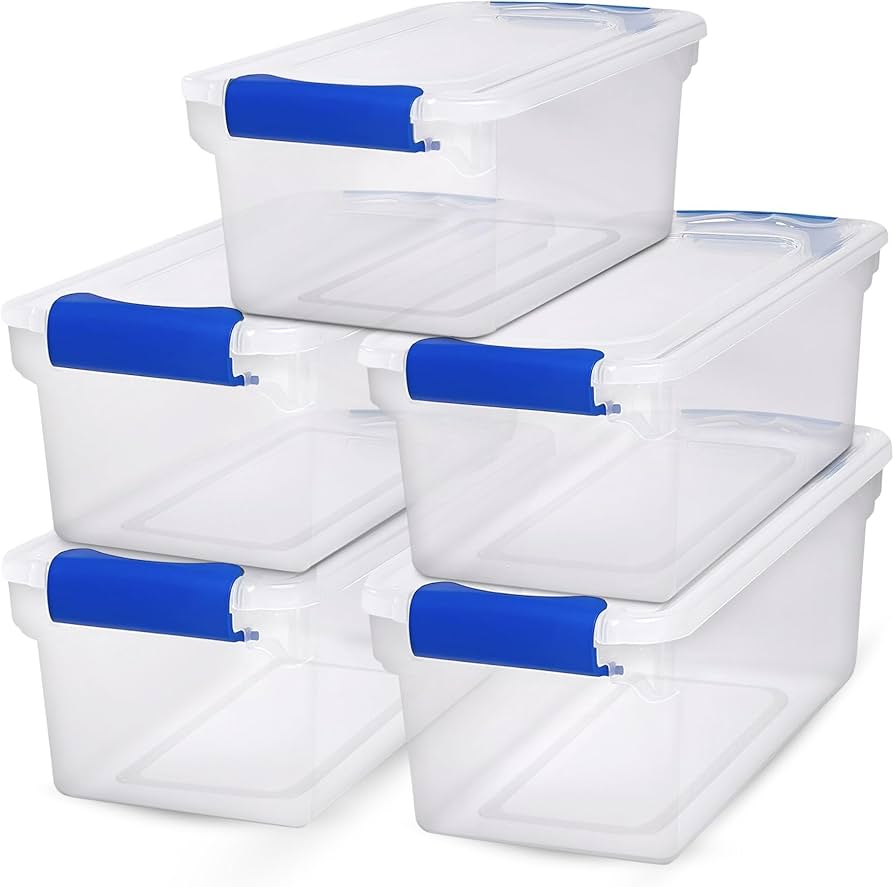
Buy Storage Container for Home: Transform Your Space with Smart Solutions Buy Storage Container for Home is a practical solution

Buy Storage Container Star Citizen: Your Essential Guide to In-game Inventory Management If you have ever wondered where to buy
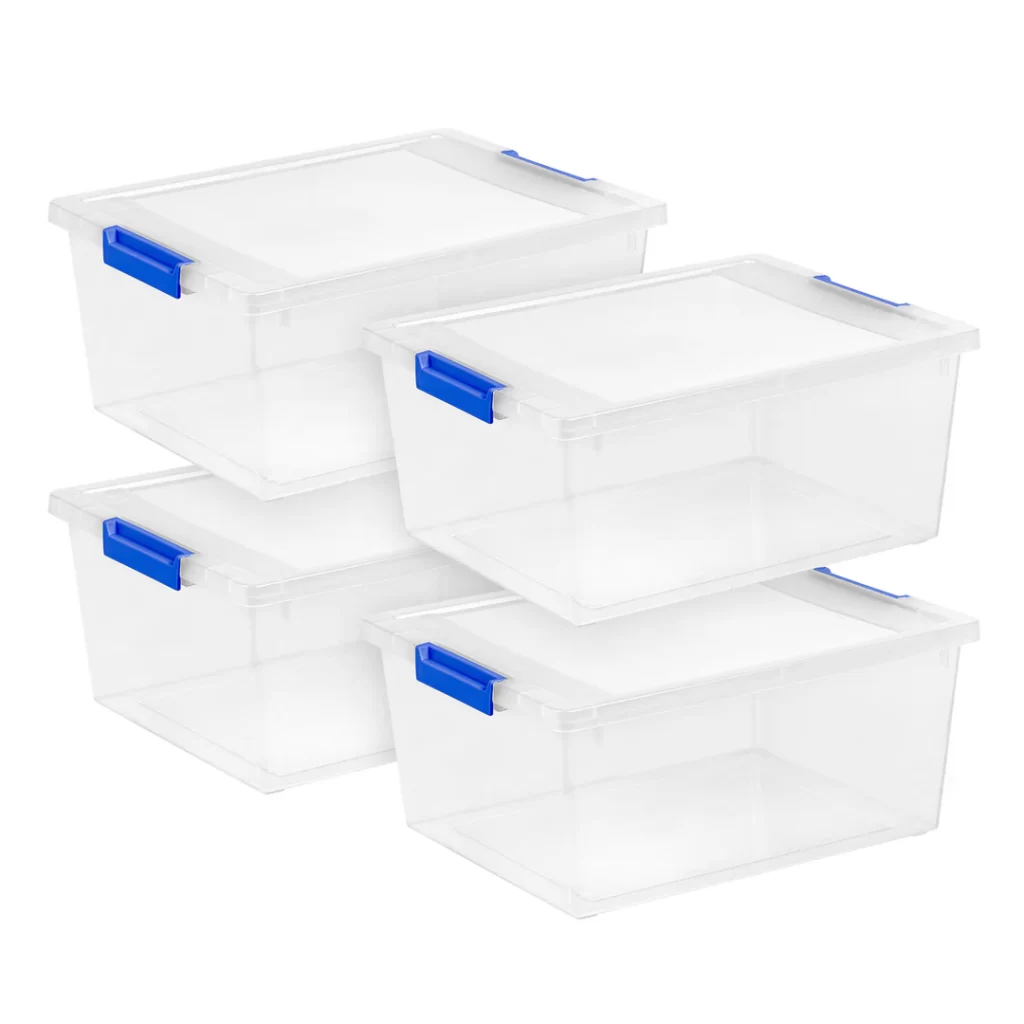
Buy Storage Container Plastic: the Smart Buyer’s Guide to Choosing Durable, Eco‑friendly Solutions Buy Storage Container Plastic is a phrase

Buy Container Storage Units: Your Complete Guide to Smart Storage Solutions Are you searching for a flexible, cost‑effective way to
 Optimized by Seraphinite Accelerator