New Vs Used Shipping Containers
New Vs Used Shipping Containers: Making the Right Choice for Your Business When you start looking for a durable, cost‑effective […]
 Skip to content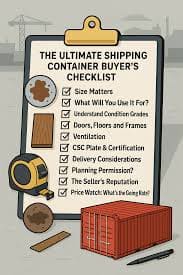
Container Buying Guides are the cornerstone for anyone looking to purchase a reliable, durable, and cost‑effective storage or shipping solution. Whether you are a business owner seeking industrial storage containers, a construction firm in need of portable storage solutions, or an individual exploring buy storage containers for personal use, a well‑structured guide helps you navigate the complex market of shipping containers for sale. In today’s competitive environment, understanding the nuances of cargo container purchasing tips, container condition grades, and the various shipping container dimensions can mean the difference between a sound investment and a costly mistake. This comprehensive resource is designed to walk you through every phase of the buying process—from evaluating used shipping containers to arranging shipping container delivery, and even exploring container customization options. By the end of this guide, you will be equipped with the knowledge to compare prices, assess quality, and select the right container that meets your specific operational needs.
When you begin your search, it is essential to familiarize yourself with the primary categories of steel storage containers available on the market. The most common type is the standard dry container, which is constructed from corrugated steel and features a single‑leaf door at one end. These units are engineered to protect cargo from weather elements and are ideal for general‑purpose storage.
High‑cube containers offer additional vertical clearance—typically an extra foot—making them suitable for light‑weight, voluminous cargo or for converting into mobile offices. If your operations require temperature‑controlled environments, refrigerated (or “reefer”) containers are equipped with integrated cooling units that can maintain temperatures ranging from -30°C to +30°C.
For specialized loads, consider open‑side or open‑top containers, which provide easier access for oversized machinery or items that cannot be loaded through standard doors. Each of these variants serves a distinct purpose, and selecting the appropriate type is the first step in executing a successful purchase.
One of the most critical decisions you will face is whether to invest in a new unit or opt for a used shipping container.
Understanding the industry‑standard container condition grades is vital for assessing the true value of a prospective purchase.
The main grades include:
By familiarizing yourself with these grades, you can align your budget with the expected performance and longevity of the container.
Selecting the correct size is not just about accommodating your current inventory; it also impacts logistics, transportation costs, and site preparation.
Below is a quick reference for the most popular shipping container dimensions:
These dimensions guide you in determining whether the container will fit on your property, require special permits for transport, or accommodate the specific volume of goods you intend to store or ship.
The overwhelming majority of steel storage containers are manufactured from corten steel, a weather‑resistant alloy that offers superior durability in harsh environments. Corten’s protective oxide layer prevents rust formation, extending the container’s service life even when exposed to salt air or extreme humidity.
When inspecting a container, pay attention to the following:
Investing in a high‑quality steel storage container can yield decades of reliable service, especially when proper maintenance is performed periodically.
Once you have selected your unit, arranging shipping container delivery is the next critical step. Factors that influence delivery costs include:
Many suppliers offer door‑to‑door delivery, but it is wise to confirm whether the quoted price includes unloading and positioning. If not, additional fees may apply for crane services.
Understanding what drives shipping container prices helps you negotiate effectively. Key price determinants include:
On average, a 20‑ft used standard container may range from $1,200 to $2,500, while a 40‑ft high‑cube new unit can exceed $4,500. Always request a detailed quote that itemizes any extra fees.
Many buyers require more than a plain steel box. Container customization can transform a standard unit into a tailored solution:
When requesting modifications, ensure the fabricator uses corrosion‑resistant materials and follows local building codes.
A trustworthy supplier is the cornerstone of a smooth transaction. Look for companies that:
Local yards, national logistics firms, and online marketplaces all present options. Visiting a yard in person allows you to inspect the container firsthand before committing.
Even with a firm price list, negotiation can yield savings. Consider the following tactics:
Always obtain at least three quotes to compare and leverage competing offers.
The versatility of portable storage solutions makes them invaluable across sectors:
Choosing a container that meets the specific demands of your industry ensures operational efficiency and protects valuable assets.
To safeguard your investment, steer clear of these frequent errors:
By sidestepping these pitfalls, you ensure a hassle‑free acquisition process.
Equipped with this exhaustive Container Buying Guides resource, you now possess the insights required to navigate the marketplace with confidence. From understanding the array of shipping containers for sale and interpreting container condition grades to evaluating shipping container dimensions, calculating shipping container prices, and arranging shipping container delivery, every step has been outlined to help you make an informed, strategic choice. Remember to leverage cargo container purchasing tips, consider container customization when appropriate, and select a reputable supplier to guarantee quality and service. Whether you need industrial storage containers for large‑scale operations or a single buy storage containers unit for personal use, the knowledge gained here will empower you to invest wisely, optimize functionality, and achieve lasting value. Start your journey today—your perfect container is just a few informed decisions away.
New Vs Used Shipping Containers: Making the Right Choice for Your Business When you start looking for a durable, cost‑effective […]
What to Check before Buying a Used Container: Essential Insights for Smart Buyers Imagine you have found a great deal
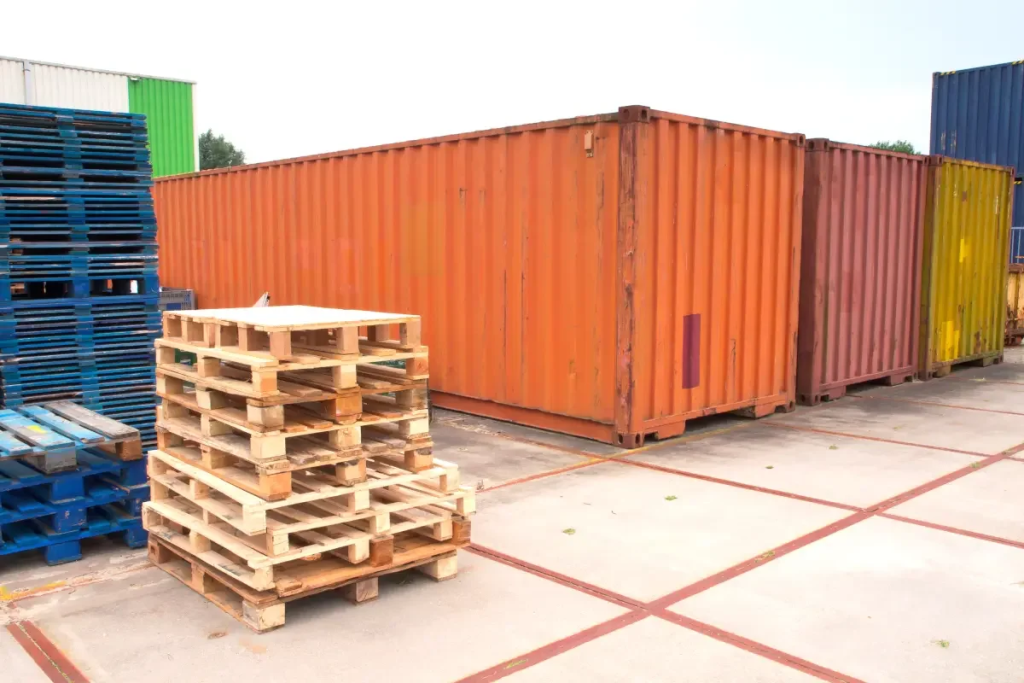
How Many Pallets Fit In A 45ft Container? | Loading Guide If you’re involved in freight logistics, warehousing, or international
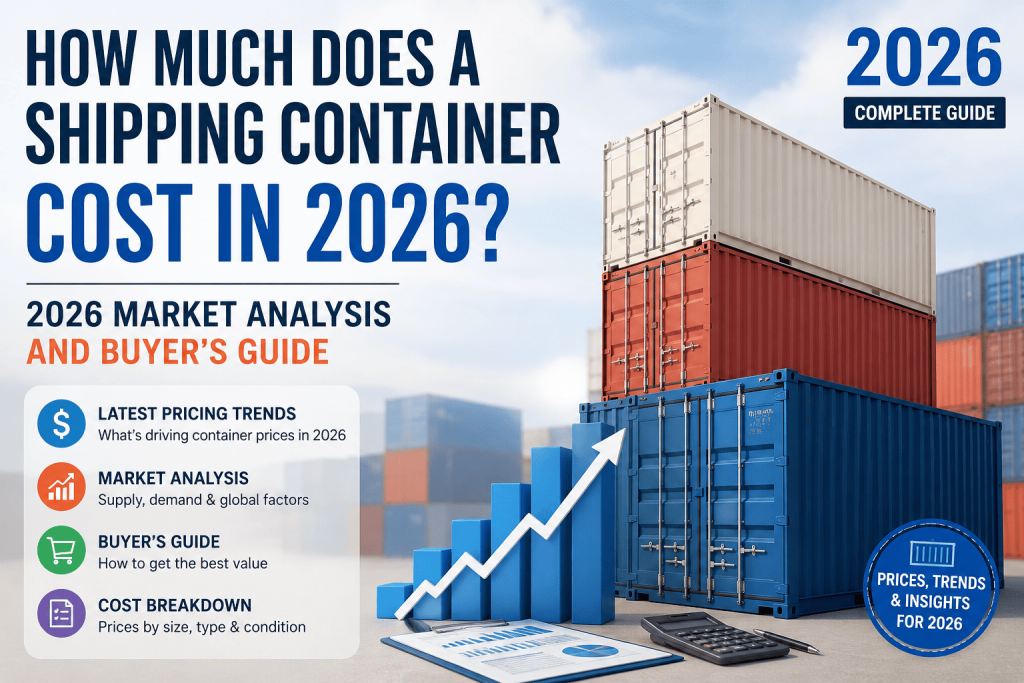
How Much Does a Shipping Container Cost in 2026?: 2026 Market Analysis and Buyer’s Guide The global logistics landscape continues
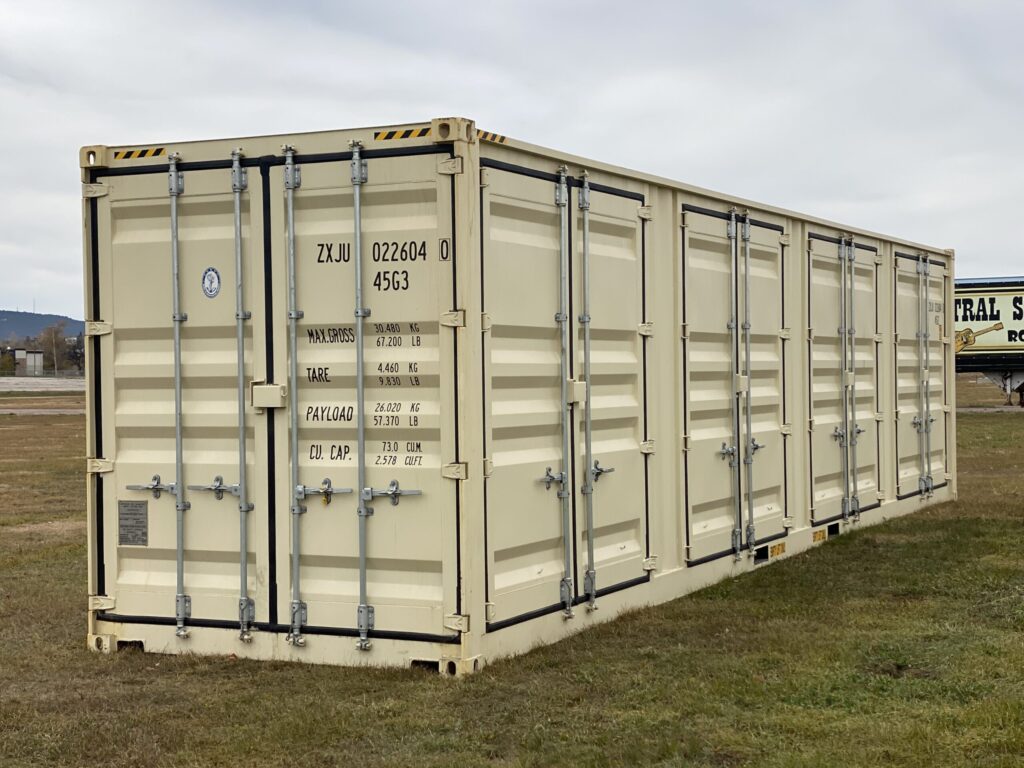
Buy Storage Containers Auction: Smart Strategies to Win Bids and Save Money Buy Storage Containers Auction presents a unique opportunity
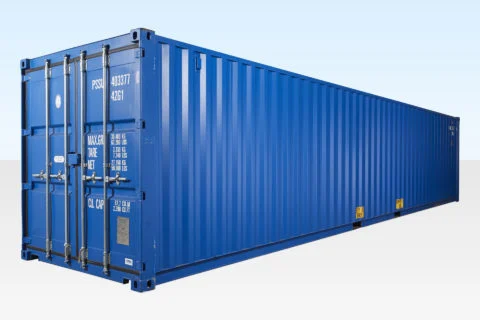
Buy Storage Containers Online: Smart Solutions for Every Space Buy Storage Containers Online to instantly upgrade your organizational game without
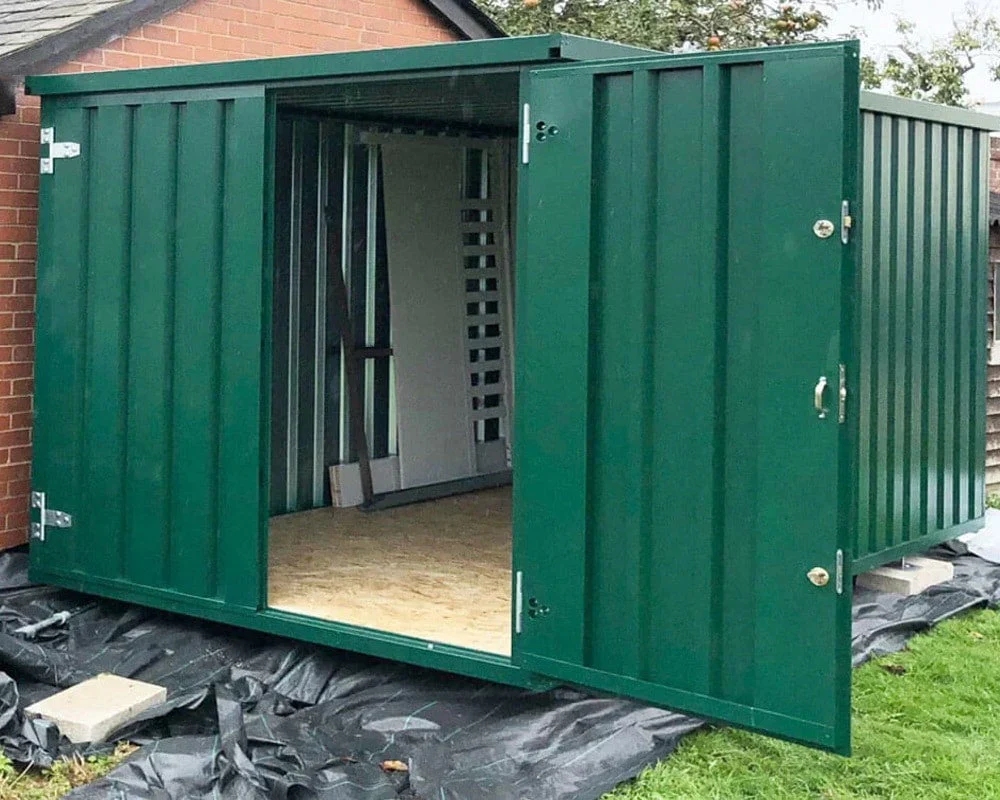
Buy Storage Container Uk: Transform Your Space with Smart Storage Solutions Buy Storage Container Uk is a phrase that many

What does Buy Storage Container Contents mean? Buy Storage Container Contents refers to the process of purchasing the items stored
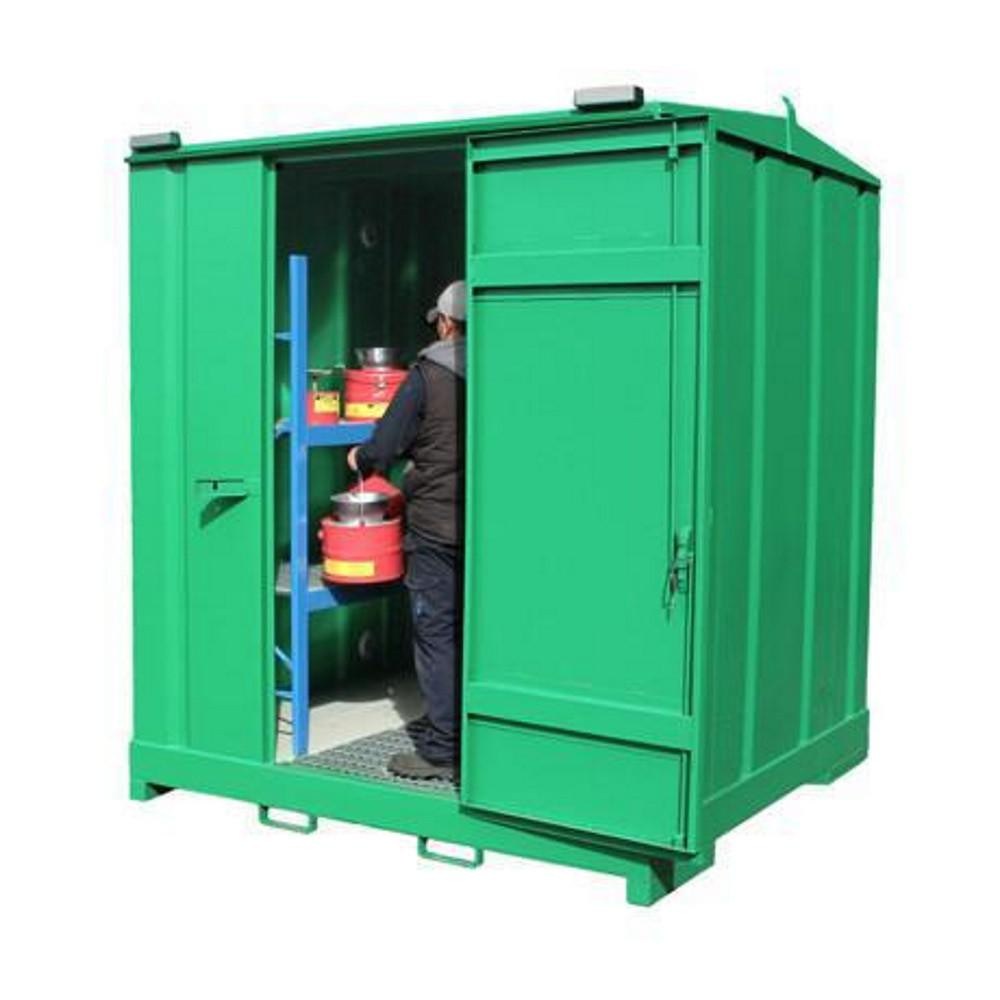
Buy Storage Container Cs2: Transform Your Space with Smart Solutions Buy Storage Container Cs2 is the smart answer to modern
Container Garage Ideas: Transform Your Space with Innovative Designs Struggling with limited storage or a cramped driveway? Container Garage Ideas
 Optimized by Seraphinite Accelerator