 Skip to content
 How to Prevent Container Rust: Proven Strategies for Long-lasting Storage
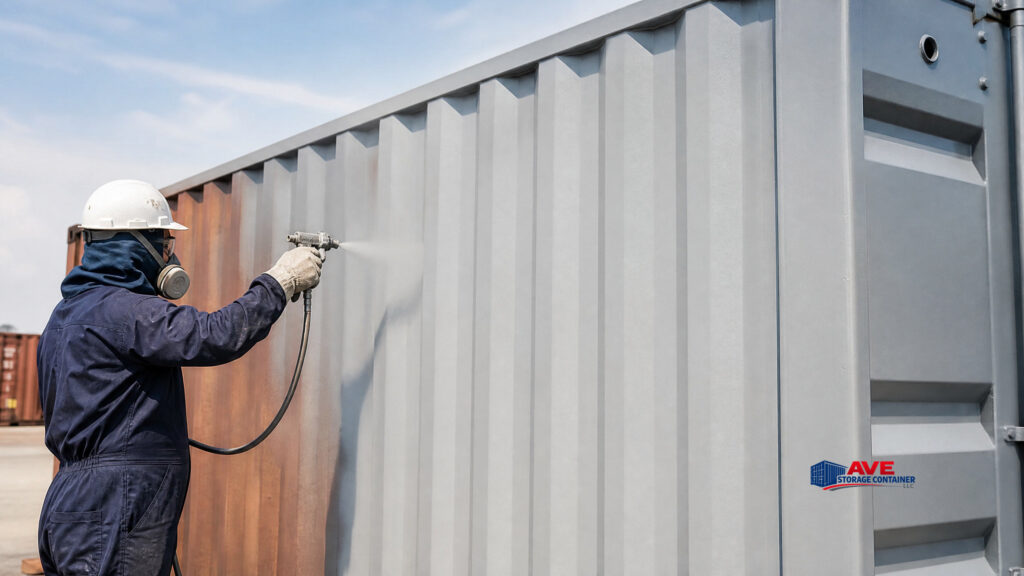
Imagine opening a shipping container after months at sea, only to find the interior walls covered in flaky orange rust that threatens the safety of your cargo. This scenario is more than a visual nuisance; it can lead to costly damage, contaminated goods, and even structural failure. Understanding How to Prevent Container Rust is therefore essential for anyone involved in logistics, storage, or marine operations.
In the following sections, we break down the science behind corrosion, explore the environments that accelerate it, and provide actionable steps you can implement today. By focusing on proven preventive measures—from surface preparation to advanced monitoring—you’ll extend the lifespan of your containers and protect your bottom line.
Whether you manage a fleet of overseas containers or store equipment on a backyard lot, the principles outlined here apply universally. Let’s dive into the details and transform rust from an inevitable threat into a manageable risk.
Key Takeaways
- Rust forms when iron, oxygen, and moisture interact; eliminating any one factor stops corrosion.
- Proper surface preparation (cleaning, profiling) is the foundation of any effective coating system.
- Selecting the right protective coating—epoxy, polyurethane, or zinc‑rich primers—depends on the container’s service environment.
- Cathodic protection and design modifications (drainage, ventilation) add layers of defense against rust.
- Regular inspection, timely touch‑ups, and humidity monitoring keep rust at bay over the long term.
What Causes Container Rust?
At its core, rust is the electrochemical oxidation of iron when it contacts water and oxygen. This reaction produces iron oxide, which appears as the familiar reddish‑brown flake. In shipping containers, the steel walls are constantly exposed to humid air, salt spray, and occasional condensation, creating ideal conditions for corrosion.
Furthermore, mechanical damage such as scratches, dents, or welding spatter compromises the protective mill scale, exposing bare steel. Once the protective layer is breached, moisture can penetrate and accelerate the oxidation process. Understanding these mechanisms helps us target the right preventive strategies.
Consequently, preventing rust isn’t about a single miracle product; it’s about controlling the environment, isolating the steel, and providing sacrificial protection where needed. The next sections explore each of these control points in detail.
Types of Containers Most Susceptible to Rust
Not all containers face the same risk. Standard dry‑van containers used for general cargo typically encounter moderate humidity but may still suffer rust if stored in coastal zones. Refrigerated units, with their constant internal moisture cycles, are especially vulnerable to interior corrosion.
Open‑top and flat‑rack containers, which lack a sealed roof, expose steel directly to rain and seawater spray. Similarly, tanks used for chemicals or food products often have internal linings that can degrade, exposing the substrate to corrosive agents. Recognizing the specific vulnerabilities of each container type guides tailored prevention plans.
Environmental Factors That Accelerate Rust
Temperature fluctuations accelerate condensation inside containers, creating micro‑pools of water that promote rust. In tropical climates, high humidity combined with heat speeds up the electrochemical reaction. Conversely, cold climates can cause condensation when warm, moist air meets cold steel surfaces.
Moreover, salt‑laden air near oceans deposits chloride ions on steel, which break down passive oxide films and drastically increase corrosion rates. Industrial pollutants such as sulfur dioxide can also form acidic films that accelerate rust. By measuring these factors, you can predict corrosion hotspots and act preemptively.
Economic Impact of Untreated Container Rust
Rust-related damage leads to direct costs: repair or replacement of containers, loss of cargo due to contamination, and increased insurance premiums. Indirect costs include delays in shipping schedules, reputational damage, and potential regulatory fines for unsafe cargo handling.
Studies estimate that corrosion costs the global shipping industry billions annually. Investing in preventive measures often yields a return of three to five times the initial expenditure by extending container life and reducing loss incidents. Hence, rust prevention is not just a maintenance task—it’s a strategic financial decision.
How to Prevent Container Rust: Core Principles
Now that we understand the causes, let’s focus on the actionable framework for stopping rust before it starts. The core principles revolve around three pillars: surface preparation, protective barriers, and environmental control. Each pillar must be addressed systematically to achieve lasting protection.
First, surface preparation ensures that any coating adheres properly and that existing rust is removed. Second, protective barriers—such as primers, paints, and linings—physically isolate steel from moisture and oxygen. Third, environmental control manages humidity, temperature, and chlorides to reduce the driving force for corrosion.
By integrating these pillars, you create a defense‑in‑depth strategy that remains effective even if one layer is compromised. The subsequent sections detail practical implementations of each principle.
How to Prevent Container Rust in Marine Environments
Marine settings present the harshest combination of salt spray, high humidity, and temperature swings. In these conditions, standard paint systems may fail within months. Therefore, a specialized approach is required.
Begin with abrasive blasting to achieve a near‑white metal surface (Sa 2.5 or higher). This removes mill scale, old paint, and contaminants, providing an optimal profile for coating adhesion. Follow immediately with a zinc‑rich epoxy primer, which offers sacrificial protection by corroding preferentially to the steel.
Apply a high‑build epoxy intermediate coat to increase barrier thickness, then finish with a polyurethane topcoat that resists UV degradation and mechanical abrasion. This three‑layer system has demonstrated service lives exceeding ten years in offshore applications.
Additionally, install sacrificial zinc anodes on the container’s exterior corners. These anodes corrode instead of the steel, extending the life of the coating system. Regularly inspect anode consumption and replace them when they reach 75 % depletion.
Protective Coatings and Linings
Choosing the right coating depends on the container’s intended use, expected exposure, and maintenance capabilities. Below we examine the most common systems and their performance characteristics.
Epoxy Primers
Epoxy primers provide excellent adhesion to blasted steel and form a dense, impermeable film. They are particularly effective as a first layer because they penetrate surface irregularities and create a strong bond. However, pure epoxy can chalk under prolonged UV exposure, so it usually requires a topcoat.
When applied at a thickness of 125–150 µm, epoxy primers reduce water vapor transmission rates by over 90 %. This dramatically slows the corrosion process, especially when combined with zinc‑rich formulations that offer galvanic protection.
Polyurethane Topcoats
Polyurethane topcoats deliver superior UV resistance, color retention, and flexibility. They accommodate the slight expansion and contraction of steel due to temperature changes without cracking. A typical polyurethane film of 50–75 µm provides a hard, abrasion‑resistant surface that withstands handling equipment.
For marine containers, aliphatic polyurethanes are preferred because they resist yellowing and maintain gloss longer than aromatic variants. Pairing them with an epoxy primer yields a coating system that balances barrier protection with durability.
Zinc‑Rich Primers
Zinc‑rich primers contain a high percentage of metallic zinc dust suspended in a binder. When the coating is damaged, the zinc corrodes preferentially, protecting the exposed steel through sacrificial action. This makes them ideal for areas prone to impact, such as container corners and door frames.
Typical zinc loading ranges from 60 % to 80 % by weight in the dry film. Application thickness of 75–100 µm ensures sufficient zinc volume for long‑term sacrificial protection. Regular monitoring of zinc consumption helps predict when re‑coating is needed.
Internal Linings for Refrigerated Units
Refrigerated containers face internal condensation and occasional chemical exposure from cargo. Food‑grade epoxy linings, often with antimicrobial additives, provide a seamless barrier that resists moisture penetration and inhibits mold growth.
These linings are applied via spray or roller methods after thorough surface preparation. Curing times vary, but most systems reach full chemical resistance within 24 hours at 25 °C. Periodic inspection for pinholing or delamination ensures the lining remains effective.
Cathodic Protection Systems
When coatings alone cannot guarantee complete isolation, cathodic protection (CP) offers an active defense. CP works by making the container steel the cathode of an electrochemical cell, thereby suppressing oxidation.
Two main types exist: sacrificial anode CP and impressed current CP. Sacrificial systems use zinc or aluminum anodes attached to the container’s exterior. As the anode corrodes, it supplies electrons to the steel, preventing rust. Impressed current systems use an external power source to drive protective current, suitable for large fleets where anode replacement would be costly.
Implementing CP requires a baseline potential measurement (typically –0.80 V vs. Cu/CuSO₄ for steel) and regular monitoring to ensure the protective potential remains within the desired range. Proper design avoids over‑protection, which can cause hydrogen embrittlement in high‑strength steels.
Design Considerations for Rust Prevention
Even the best coating can fail if the container design traps moisture or creates crevices where chlorides accumulate. Thoughtful design mitigates these risks from the outset.
Ensure that all seams are continuously welded or sealed with compatible sealants to prevent water ingress. Incorporate sloped roofs and drainage channels so that rainwater runs off rather than pooling. Provide ventilation openings equipped with corrosion‑resistant screens to equalize internal humidity without allowing spray entry.
Additionally, avoid sharp corners where stress concentrations can cause coating cracking. Use generous radii and apply extra coating thickness in these areas. By integrating corrosion‑resistant design principles, you reduce the reliance on maintenance interventions.
Maintenance and Inspection Practices
No protective system is immortal; regular maintenance extends service life and catches issues early. Establish a routine inspection schedule based on the container’s environment and usage intensity.
During visual inspections, look for signs of coating breakdown: blistering, cracking, chalking, or rust staining. Use a dry film thickness gauge to verify that coating levels remain above manufacturer minimums. For hard‑to‑reach areas, employ borescopes or ultrasonic thickness measurement tools.
When defects are found, perform spot repairs immediately. Remove loose rust with hand or power tools, feather the edges, clean the surface, and apply a matching primer and topcoat. Document all maintenance activities to build a historical record that informs future decisions.
Monitoring and Early Detection Technologies
Advances in sensor technology enable real‑time monitoring of corrosion‑promoting conditions inside containers. Humidity and temperature loggers provide data that can trigger alerts when thresholds are exceeded.
More sophisticated systems embed corrosion probes that measure electrochemical noise or polarization resistance, giving an early indication of active rust formation. Integrating these sensors with a central management platform allows fleet operators to prioritize containers for intervention.
Additionally, drone‑based visual inspections equipped with thermal imaging can detect hidden moisture pockets or coating delamination without requiring personnel to enter confined spaces. Adopting these technologies shifts rust prevention from reactive to proactive.
Case Study: Successful Rust Prevention Program
To illustrate the effectiveness of an integrated approach, consider a mid‑size shipping line that operated 200 dry‑van containers on routes between Southeast Asia and Europe. Prior to intervention, the line experienced an average of 12 rust‑related cargo claims per year, with repair costs averaging $4,500 per incident.
The company implemented a four‑step program: (1) mandatory abrasive blasting to Sa 2.5 before each re‑coat, (2) application of a zinc‑rich epoxy primer (80 µm) followed by an epoxy intermediate (120 µm) and aliphatic polyurethane topcoat (60 µm), (3) installation of sacrificial zinc anodes on all container corners, and (4) quarterly humidity logging with automatic alerts.
Within eighteen months, rust‑related claims dropped to two per year, and the average repair cost fell to $1,200 due to smaller, localized damage. The estimated annual savings exceeded $150,000, demonstrating a clear ROI on the preventive investment.
Future Trends in Container Rust Prevention
Research continues to evolve the materials and methods used to combat corrosion. Nanocoatings incorporating silica or titanium dioxide nanoparticles promise superior barrier properties and self‑cleaning surfaces. Additionally, smart coatings that change color upon early rust detection are moving from laboratory to field trials.
On the operational side, blockchain‑based maintenance records are being piloted to ensure transparency and traceability of coating applications across global supply chains. As sustainability gains importance, water‑based and low‑VOC coating systems are gaining traction without sacrificing performance.
Staying informed about these innovations allows you to upgrade your rust prevention strategy proactively, ensuring long‑term competitiveness and safety.
Frequently Asked Questions
What is the first step in preventing container rust?
The first step is thorough surface preparation. This involves removing all existing rust, mill scale, dirt, and contaminants through methods such as abrasive blasting or power tool cleaning. A clean, profiled surface ensures that protective coatings adhere properly and provide maximum barrier protection.
How often should I inspect my containers for signs of rust?
Inspection frequency depends on the container’s environment and usage. For containers operating in marine or high‑humidity climates, a visual inspection every three months is advisable. In milder conditions, semi‑annual checks may suffice. Always inspect after any severe weather event or physical impact.
Can I use regular household paint to protect my container?
Regular household paint lacks the corrosion‑inhibiting pigments, thickness, and flexibility required for steel exposed to harsh environments. It will quickly chip, peel, and fail to provide adequate barrier protection. Use coatings specifically formulated for industrial or marine applications, such as epoxy primers and polyurethane topcoats.
Is cathodic protection necessary if I already have a high‑quality coating?
A high‑quality coating significantly reduces the need for cathodic protection, but it does not eliminate it entirely. In aggressive environments—such as constant salt spray or submerged conditions—combining a coating with sacrificial anodes or impressed current CP provides a defense‑in‑depth approach that greatly extends service life.
What environmental conditions accelerate rust the most?
The most aggressive conditions combine high humidity, elevated temperatures, and chloride‑rich air (typical of marine environments). Temperature cycling that promotes condensation inside the container also accelerates corrosion. Pollutants such as sulfur dioxide can further increase rust rates by forming acidic films on the steel surface.
Ready to Protect Your Containers?
Implement a proven rust‑prevention plan today and save on repairs, cargo loss, and downtime.
