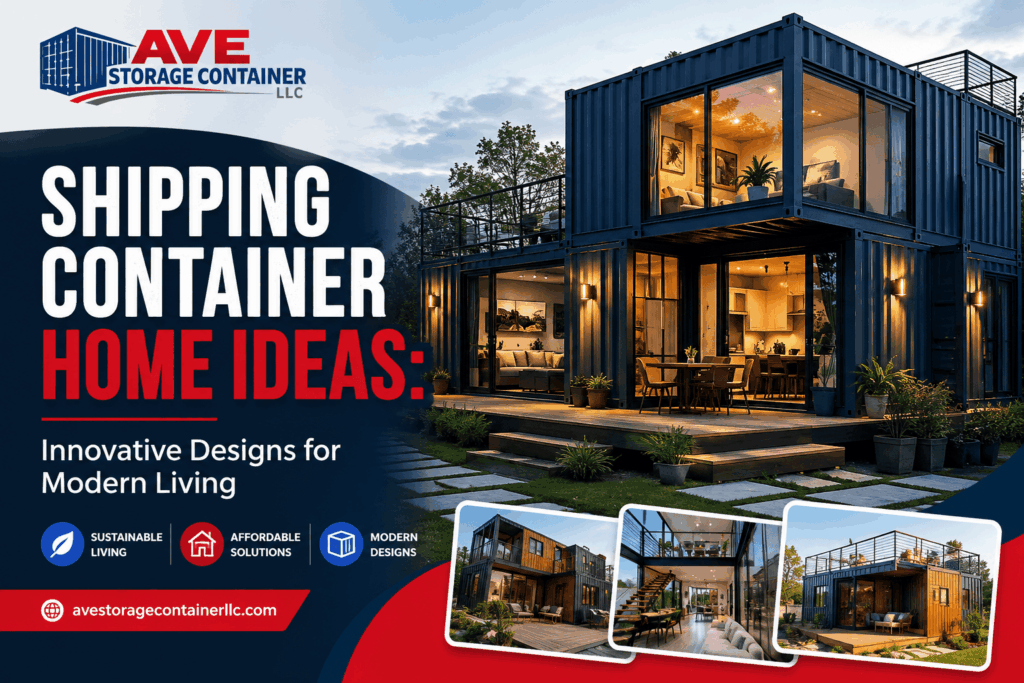
Shipping Container Home Ideas: Innovative Designs for Modern Living
Shipping Container Home Ideas: Innovative Designs for Modern Living Shipping container homes have moved from niche experiments to mainstream housing […]
 Skip to content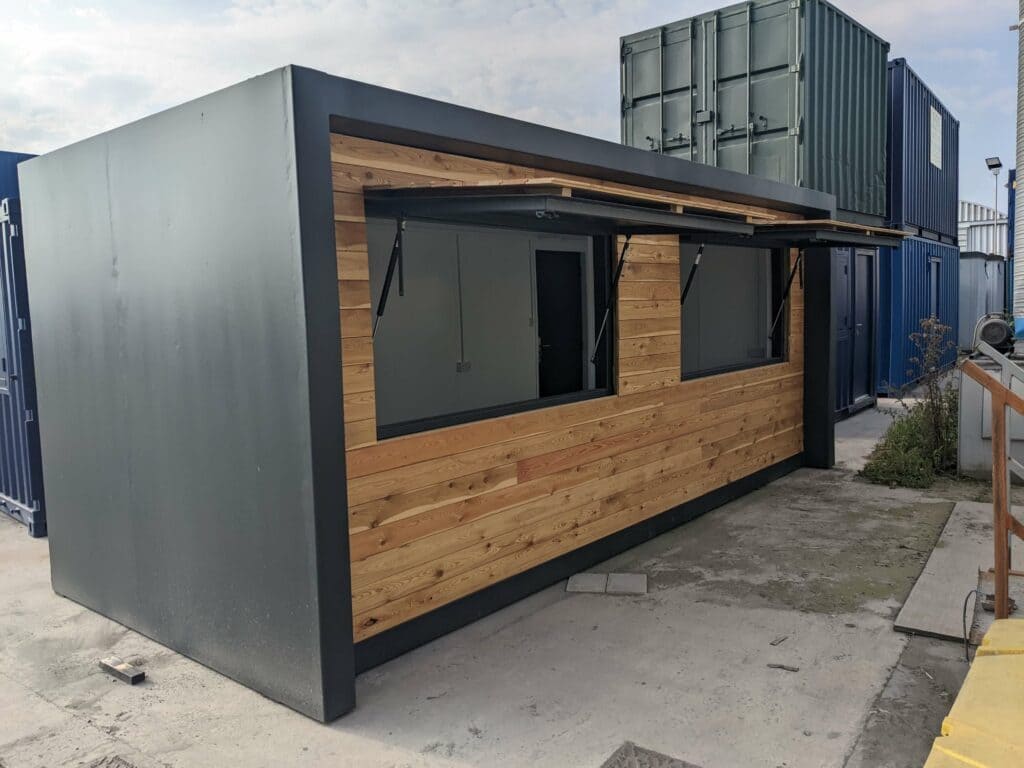
Container conversion ideas have revolutionized the construction and architectural industries, offering unprecedented opportunities for creative, sustainable, and cost-effective building solutions. As the demand for flexible and eco-friendly alternatives to traditional construction continues to grow, shipping container conversions have emerged as a compelling option for homeowners, businesses, and developers alike. This comprehensive guide explores the most innovative and practical shipping container conversion ideas, providing you with inspiration and actionable insights for your next project.
The versatility of steel shipping containers makes them ideal candidates for transformation into virtually any type of functional space. From residential dwellings to commercial offices, from recreational facilities to emergency shelters, the potential applications are limited only by imagination. In this article, we will delve deep into the world of modular container homes, container office designs, repurposed shipping container projects, and countless other possibilities that showcase the remarkable potential of these industrial structures.
Whether you are a homeowner considering a unique living space, a business owner exploring innovative workspace solutions, or a developer looking for sustainable construction alternatives, this guide will provide you with the knowledge and inspiration necessary to successfully navigate the world of container conversion. Let us examine the various facets of this exciting industry and discover why custom container modifications have become such a popular choice for modern construction projects.
The fundamental design of shipping containers provides numerous advantages that make them exceptionally well-suited for conversion projects. Originally engineered to withstand the harsh conditions of international cargo transport, these containers boast remarkable structural integrity that translates perfectly into building applications. The corrugated steel walls offer superior strength and durability, while the standardized dimensions ensure compatibility with various design requirements and transportation needs.
Industrial shipping container architecture has evolved significantly over the past decades, transforming from simple storage units into sophisticated architectural elements. The inherent modularity of containers allows for stacking, combining, and configuring multiple units to create expansive spaces or multi-story structures. This flexibility has made container conversions increasingly popular among architects and designers seeking innovative solutions to contemporary challenges.
Moreover, the use of versatile container applications addresses many modern concerns, including sustainability, cost efficiency, and rapid construction timelines. By repurposing decommissioned shipping containers, projects can significantly reduce their environmental footprint while simultaneously avoiding the waste associated with traditional construction materials. This eco-conscious approach resonates strongly with environmentally aware consumers and businesses committed to sustainable practices.
The journey of shipping containers from purely industrial uses to architectural marvels represents a fascinating evolution in design thinking. What began as a niche movement embraced by avant-garde architects has grown into a recognized and respected sector within the construction industry. Today, container building inspiration can be found in projects ranging from individual residential installations to massive commercial complexes and everything in between.
This evolution has been driven by several factors, including increased awareness of environmental issues, rising construction costs, and a growing desire for unique, customizable spaces. As more successful projects have demonstrated the viability and appeal of container conversions, acceptance and interest have continued to grow. Major design firms now incorporate container elements into their portfolios, and building codes have adapted to accommodate these innovative construction methods.
The professionalization of the container conversion industry has also contributed to its growth. Specialized companies now offer design, modification, and installation services that ensure quality construction while maintaining the creative freedom that makes container projects so appealing. This infrastructure support has made container conversions accessible to a broader audience beyond earlier adopters.
Modular container homes represent one of the most exciting developments in contemporary residential architecture. These dwellings combine the industrial aesthetic of shipping containers with the warmth and functionality required for comfortable living spaces. The modular nature of container construction allows for incredible design flexibility, enabling homeowners to create customized layouts that perfectly suit their needs and preferences.
The construction process for modular container homes typically involves acquiring used or new shipping containers, then systematically converting them into livable spaces through the installation of insulation, windows, doors, electrical systems, plumbing, and interior finishes. This process can be completed significantly faster than traditional home construction, often reducing build times by thirty to fifty percent. Additionally, the modular approach allows for easy expansion, as additional containers can be connected to existing structures as needs change.
Design considerations for modular container homes must address several unique challenges, including thermal regulation, moisture control, and structural reinforcement. Proper insulation is particularly critical, as metal containers can experience significant temperature fluctuations. Modern solutions include spray foam insulation, rigid panel insulation, and innovative thermal break systems that maintain comfortable interior temperatures year-round.
Beyond individual homes, modular container concepts have expanded to include multi-unit developments, affordable housing projects, and transitional shelter solutions. The scalability and cost-effectiveness of container-based construction make it particularly attractive for addressing housing shortages in various contexts. Communities worldwide have embraced container homes as a viable solution to affordable housing challenges.
Container office designs have experienced tremendous growth as businesses seek flexible, cost-effective alternatives to traditional commercial real estate. The modern business environment demands adaptable workspaces that can evolve with organizational needs, and container conversions offer exactly this type of flexibility. From startup incubators to corporate headquarters, container offices have proven themselves capable of accommodating diverse professional requirements.
The aesthetic of container offices often appeals to companies seeking to project an image of innovation and sustainability. The industrial-chic appearance of converted containers communicates forward-thinking values and distinguishes businesses from competitors occupying conventional office spaces. This unique visual identity can be particularly valuable for companies in creative industries, technology sectors, and environmentally conscious enterprises.
Acoustic considerations present both challenges and opportunities in container office design. The metal construction of containers can create echoic interior environments, but this challenge has inspired innovative acoustic treatment solutions. Modern container offices frequently incorporate sound-absorbing materials, strategic wall treatments, and thoughtful layout planning to create productive, comfortable work environments.
Flexibility remains one of the most significant advantages of container-based office spaces. These structures can be relocated relatively easily, making them ideal for businesses that anticipate changing needs or desire the ability to move their operations. Temporary office installations, event spaces, and pop-up locations benefit particularly from this mobility, allowing organizations to establish professional workspaces in virtually any location.
The shipping container tiny home movement represents a significant trend within the broader tiny house phenomenon. These compact dwellings offer all the advantages of traditional tiny homes—including reduced environmental impact, lower operating costs, and simplified living—while incorporating the unique benefits of container construction. The sturdy steel framework provides security and durability that many tiny home builders find appealing.
Designing shipping container tiny homes requires careful consideration of space optimization and multi-functional elements. Every square foot must serve multiple purposes, and clever storage solutions become essential. However, this constraint often inspires creative design solutions that result in highly efficient living spaces that feel surprisingly spacious despite their compact dimensions.
Building a shipping container tiny home typically involves significant custom modification, as the standard container interior requires substantial transformation to become comfortable living space. This includes cutting openings for windows and doors, installing insulation and interior framing, adding electrical and plumbing systems, and completing all finishing work. While this process requires investment, the resulting homes offer exceptional durability and can appreciate in value over time.
The legal landscape for shipping container tiny homes continues to evolve, with various jurisdictions developing specific regulations addressing these alternative dwelling units. Prospective builders must research local codes thoroughly before beginning construction, as requirements can vary significantly between locations. Despite these regulatory challenges, the popularity of container tiny homes continues to grow.
Eco-friendly container living represents a philosophy that extends beyond simply using recycled materials. This approach encompasses broader considerations including energy efficiency, water conservation, sustainable sourcing, and minimal environmental impact throughout the entire building lifecycle. Container construction naturally aligns with these values, but successful eco-friendly projects require deliberate design choices that maximize environmental benefits.
Passive solar design principles prove particularly effective in container living spaces. The thermal mass of steel containers, combined with strategic window placement and shading elements, can significantly reduce heating and cooling costs. Orientation optimization, interior layout planning, and material selection all contribute to creating naturally comfortable spaces that require minimal mechanical intervention.
Water management represents another critical consideration for eco-friendly container projects. Rainwater harvesting systems, greywater recycling, and water-efficient fixtures can transform container homes into remarkably self-sufficient dwellings. These systems reduce reliance on municipal water supplies while simultaneously decreasing utility costs—a combination that appeals to both environmentally conscious and cost-aware builders.
The materials used in container conversion projects significantly impact their overall environmental performance. Selecting sustainable insulation options, low-VOC finishes, and responsibly sourced wood products enhances the eco-friendly credentials of completed projects. Many container conversion specialists now offer eco-conscious design packages that prioritize environmental performance without sacrificing aesthetic appeal or functionality.
Innovative container workspaces continue to push the boundaries of what is possible with converted shipping containers. From co-working spaces to retail environments, from medical facilities to educational settings, container conversions prove capable of accommodating diverse professional applications. The ability to customize container interiors completely enables adaptation to specialized requirements that traditional buildings might not accommodate efficiently.
Retail environments benefit particularly from container conversion flexibility. The portable nature of containers allows for innovative retail concepts including mobile boutiques, seasonal pop-up shops, and experimental retail locations. These applications enable businesses to test new markets or concepts without the substantial investment required for traditional brick-and-mortar establishments. Completed container retail spaces can be relocated as needed, providing unprecedented flexibility in retail strategy.
Educational and healthcare facilities constructed from containers represent growing segments of the conversion market. Container buildings have been successfully adapted into classrooms, medical clinics, examination rooms, and community health centers. The rapid construction timeline proves particularly valuable in these applications, where urgent needs often require immediate solutions. Prefabricated container units can be deployed quickly to address community requirements.
Creative industries have embraced container workspaces with particular enthusiasm. Art galleries, photography studios, music practice spaces, and maker spaces all benefit from the unique aesthetic and functional qualities of container environments. The industrial character of converted containers often enhances rather than detracts from these creative applications, providing inspiring environments that support artistic endeavors.
Sustainable container construction encompasses a comprehensive approach to building that prioritizes environmental responsibility throughout the entire project lifecycle. This methodology considers not only the materials used in conversion but also the energy performance of completed structures, the transportation impacts of container logistics, and the long-term sustainability of the built environment. Professional container conversion companies increasingly adopt sustainable practices as standard operating procedure.
Prefab offsite construction represents one of the most significant sustainability advantages of container-based building. By completing the majority of construction work in controlled factory environments, container conversion projects generate less waste, experience fewer weather delays, and require less site disturbance than traditional construction methods. This efficiency translates directly into reduced environmental impact and faster project completion timelines.
Material selection for container conversion projects offers opportunities for enhanced sustainability. Reclaimed materials can be incorporated into container interiors, adding character while reducing demand for new resources. Recycling programs ensure that removed container components receive appropriate processing rather than entering waste streams. Many successful container projects achieve remarkable sustainability metrics through thoughtful material choices.
The end-of-life considerations for container buildings also contribute to their sustainability profile. Unlike traditional structures that may require demolition and complete removal at the end of their useful life, containers can be relatively easily recycled or repurposed again. This circular economy potential distinguishes container construction as genuinely sustainable rather than merely appearing environmentally friendly.
Mobile container structures leverage the inherent transportability of shipping containers to create infinitely flexible built environments. These installations can be relocated as needed, supporting applications ranging from temporary event facilities to permanent installations that benefit from future flexibility. The ability to move entire buildings opens possibilities unavailable with traditional construction methods.
Event applications represent particularly strong opportunities for mobile container structures. Festivals, concerts, sporting events, and corporate gatherings all require temporary facilities that can be efficiently deployed and removed. Container-based solutions provide professional environments while minimizing the logistical challenges associated with temporary construction. Mobile container kitchens, bars, restroom facilities, and ticketing areas have become common features at events worldwide.
Disaster relief and emergency shelter applications demonstrate the humanitarian potential of mobile container structures. When rapid deployment of shelter facilities becomes necessary, container-based solutions can be transported quickly and established as functional living spaces. These applications require specialized design considerations, including ease of sanitation, durability under harsh conditions, and scalability to meet varying demand levels.
Construction site facilities have long utilized container-based solutions, but modern applications extend far beyond basic site offices. Contemporary construction projects employ container complexes for worker housing, meeting facilities, equipment storage, and administrative functions. The durability and security of container construction prove particularly valuable in construction environments where facilities must withstand challenging conditions.
Container building inspiration draws from diverse sources including contemporary architecture, industrial design, environmental sustainability, and traditional building wisdom. Successful container projects typically demonstrate thoughtful integration of multiple inspirational influences while maintaining coherent design visions. Understanding fundamental design principles helps ensure successful outcomes regardless of specific aesthetic preferences.
Scale and proportion receive particular attention in container design. The rectangular proportions of standard containers require thoughtful treatment to avoid monotonous visual experiences. Strategic use of cut openings, combination of multiple containers at varying orientations, and incorporation of complementary design elements can transform potentially awkward proportions into compelling architectural compositions. Professional designers develop specialized expertise in addressing these unique challenges.
Material contrast between industrial container elements and refined interior finishes creates visually interesting environments. Exposed steel framing combined with warm wood paneling, polished concrete paired with soft textiles, and industrial hardware alongside contemporary fixtures all demonstrate successful material juxtaposition. This contrast defines the aesthetic identity of container architecture while creating comfortable, livable spaces.
Light and ventilation require careful consideration in container conversion design. The typically windowless exterior walls of standard containers present both challenges and opportunities. Strategic window placement maximizes natural light while maintaining structural integrity, and mechanical ventilation systems ensure adequate air circulation. The best container designs treat light as a primary design element, planning its presence throughout the spatial experience.
Versatile container applications continue to expand as more industries discover the benefits of container-based solutions. Beyond the residential and commercial applications already discussed, containers serve diverse functions including agricultural facilities, hospitality installations, sports amenities, and government infrastructure. This expanding application range demonstrates the remarkable adaptability of container construction.
Agricultural applications include controlled environment growing facilities, equipment storage, processing facilities, and farmworker housing. The durability of container construction proves particularly valuable in agricultural environments where buildings must withstand exposure to moisture, chemicals, and physical stress. Container-based greenhouses and growing facilities enable year-round production in challenging climates.
Hospitality venues have embraced container construction for restaurants, bars, hotels, and guest accommodations. The distinctive aesthetic of container environments aligns well with hospitality brands seeking unique identities. Container hotels have achieved particular success in tourism destinations, offering guests memorable experiences while maintaining practical operational requirements.
Government and institutional applications increasingly include container-based solutions for various needs. Military facilities, border security installations, immigration processing centers, and public safety structures all benefit from container construction advantages. The rapid deployment capability and scalability of container solutions prove particularly valuable in government contexts.
Successful shipping container renovation tips help ensure project success by addressing common challenges before they become problems. Thorough planning and attention to detail throughout the renovation process distinguish successful container conversions from problematic projects. Whether undertaking DIY conversion or working with professional contractors, understanding key renovation principles improves outcomes.
Structural integrity assessment should precede any conversion project. Professional inspection identifies any existing damage, corrosion, or structural concerns that require attention before conversion begins. While quality containers provide excellent foundations, verification ensures that projects begin with sound structural elements. This assessment proves particularly important when acquiring used containers, where previous damage may not be immediately apparent.
Weatherproofing represents a critical consideration in container renovation. The metal construction of containers creates potential condensation issues that must be addressed through proper insulation and ventilation planning. Additionally, all cut openings require appropriate framing and sealing to prevent water intrusion. Taking these precautions seriously prevents the moisture problems that sometimes plague poorly executed container projects.
Building code compliance requires careful attention in container conversion projects. Local regulations may impose specific requirements regarding structural modifications, electrical systems, plumbing installations, and occupancy classifications. Researching applicable codes before beginning design work prevents costly modifications later in the project. Professional designers and contractors typically maintain current knowledge of relevant building codes.
The world of container conversion ideas offers remarkable opportunities for creative, sustainable, and cost-effective building solutions. From modular container homes providing affordable housing to container office designs enabling flexible business spaces, from eco-friendly container living promoting environmental responsibility to mobile container structures supporting temporary and emergency applications, the potential uses continue expanding.
The repurposed shipping container projects transforming industrial debris into architectural treasures demonstrate human creativity applied to challenging problems. Custom container modifications enable highly specialized solutions tailored to specific requirements, while sustainable container construction practices ensure that these projects contribute positively to environmental goals.
As you consider your own container conversion project, remember that success requires thoughtful planning, quality craftsmanship, and attention to the unique challenges presented by container construction. Whether you undertake your project independently or engage professional conversion specialists, the principles explored in this guide will help ensure successful outcomes.
The future of container architecture appears remarkably bright. Growing environmental awareness, increasing construction costs, and desire for unique building solutions all favor continued expansion of container conversion applications. By understanding the possibilities and challenges described in this comprehensive overview, you are well-prepared to explore how shipping container conversion ideas might serve your own needs.
Shipping Container Home Ideas: Innovative Designs for Modern Living Shipping container homes have moved from niche experiments to mainstream housing […]
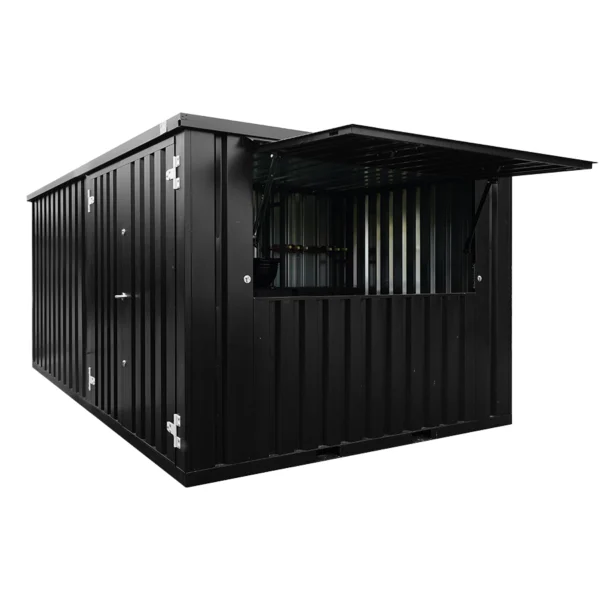
Shipping Container Retail Stores: Transforming Urban Commerce with Modular Design Key Takeaways Shipping Container Retail Stores offer rapid deployment, cutting
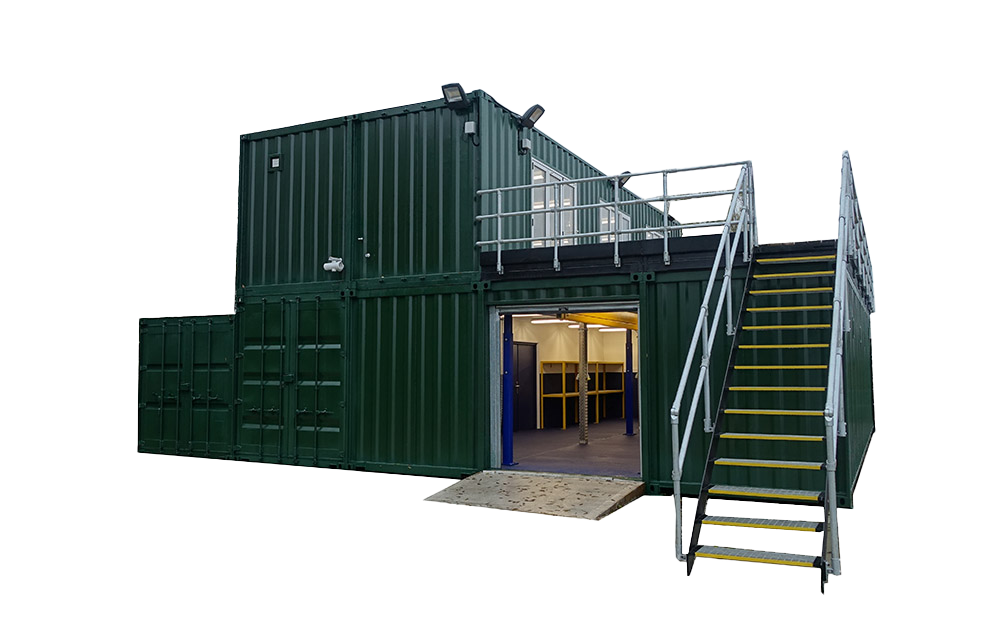
Container Workshop Plans: Innovative Designs for Modern Makers Container Workshop Plans provide a practical pathway for hobbyists, artisans, and small‑business
 Optimized by Seraphinite Accelerator