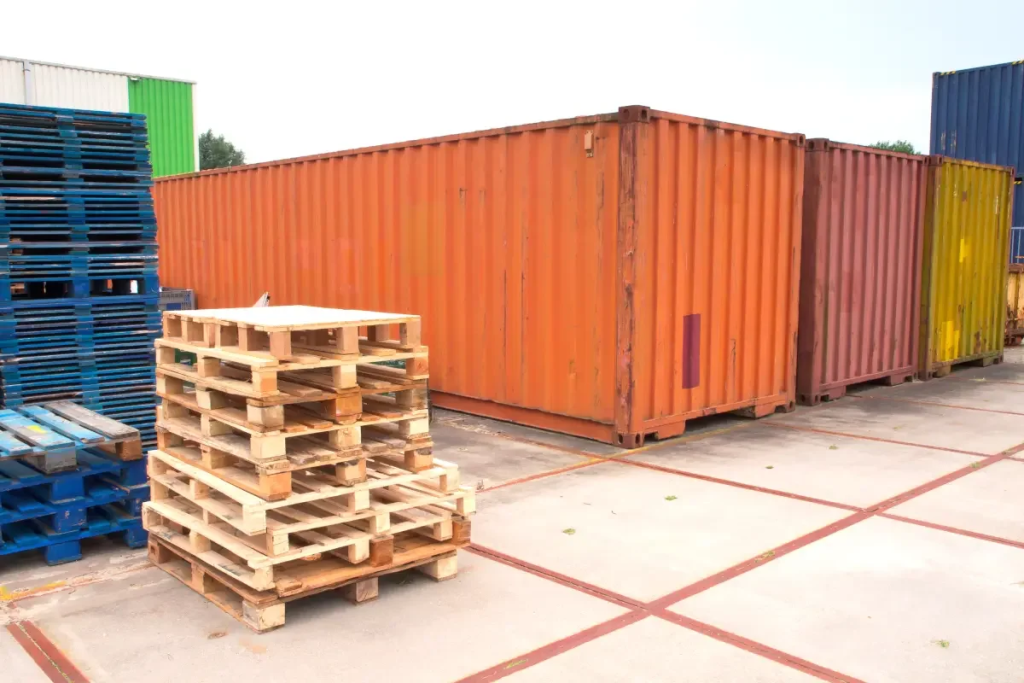
How Many Pallets Fit In A 45ft Container
How Many Pallets Fit In A 45ft Container? | Loading Guide If you’re involved in freight logistics, warehousing, or international […]
 Skip to content
In today’s rapidly evolving business landscape, organizations across industries are discovering innovative ways to leverage shipping containers for commercial purposes. Business Uses of Containers have expanded far beyond traditional freight transportation, evolving into versatile solutions that address storage, workspace, retail, and industrial needs. This comprehensive guide explores the diverse applications of commercial storage containers and how businesses can capitalize on these durable, cost-effective structures to enhance their operations.
The rise of container-based business solutions represents a significant shift in how companies approach their spatial and storage requirements. From small startups seeking flexible options to large corporations needing scalable infrastructure, shipping containers have emerged as a practical alternative to traditional construction and permanent facility investments. This transformation in container utilization reflects broader trends toward modularity, portability, and sustainability in business operations.
Commercial storage containers have revolutionized how businesses manage their inventory, equipment, and physical assets. These robust steel structures, originally designed for international shipping, offer exceptional durability and weather resistance that makes them ideal for long-term business applications. The industrial-grade construction of standard shipping containers provides inherent protection against environmental elements, ensuring stored materials remain secure regardless of external conditions.
The versatility of commercial storage containers extends to their customizable nature, allowing businesses to modify these structures according to specific operational requirements. Whether a company needs climate-controlled environments for sensitive inventory, reinforced flooring for heavy equipment, or specialized shelving systems for organized storage, containers can be adapted to meet virtually any need. This flexibility has made shipping container business solutions increasingly popular across sectors including construction, manufacturing, retail, and healthcare.
Modern commercial containers typically measure between 20 and 40 feet in length, providing substantial storage capacity while maintaining manageable dimensions for transportation and placement. The standardized dimensions ensure compatibility with existing logistics infrastructure, enabling seamless integration into supply chains and operational workflows. Businesses benefit from the predictability of these measurements when planning container installations or temporary facilities.
Portable storage units represent one of the most practical business uses of containers in today’s market. These mobile solutions address the dynamic needs of businesses that require flexible storage capabilities without the commitment of permanent structures. Construction companies, event organizers, and seasonal businesses particularly benefit from the portability and adaptability of these units.
The fundamental advantage of portable storage units lies in their ability to be transported efficiently between locations. This mobility proves invaluable for businesses with multiple project sites or those operating in temporary locations. Unlike traditional storage facilities, portable containers can be delivered precisely where needed, reducing handling costs and improving operational efficiency. Companies no longer need to invest in permanent real estate or navigate complex permitting processes for temporary structures.
Additionally, portable storage solutions offer significant cost advantages over conventional storage options. Businesses avoid the substantial capital expenditure associated with constructing permanent facilities while gaining the flexibility to scale their storage capacity according to demand. This pay-as-you-grow model particularly appeals to startups and growing enterprises seeking to manage overhead costs effectively.
The transformation of shipping containers into functional office spaces represents a groundbreaking development in commercial real estate and workspace solutions. Modular office containers provide businesses with rapid, cost-effective alternatives to traditional office construction. These converted containers create professional work environments while offering significant advantages in terms of timeline and budget compared to conventional building projects.
The business uses of containers as office spaces have gained substantial traction across industries. Construction companies utilize container offices on project sites, providing project management and administrative functions with convenient, weather-resistant facilities. Retail businesses convert containers into unique storefronts, creating memorable shopping experiences that attract customers seeking distinctive environments. Healthcare organizations employ container-based clinics and testing facilities, particularly valuable during public health emergencies requiring rapid deployment.
Custom container modifications transform standard shipping containers into comfortable, code-compliant work spaces. Insulation installation addresses temperature control, creating environments suitable for year-round occupancy. Electrical systems, including lighting, outlets, and climate control, integrate seamlessly into the container structure. Windows and doors provide natural light and convenient access, while interior finishing creates professional aesthetics that support brand image and employee productivity.
The sustainability angle of container office solutions aligns with growing corporate environmental responsibilities. Repurposing existing shipping containers diverts materials from potential scrapping, reducing demand for new construction materials. The inherent durability of container construction ensures longevity, minimizing replacement needs and associated environmental impacts. Businesses increasingly recognize these sustainable benefits as aligned with broader corporate social responsibility objectives.
Industrial container applications span a broad spectrum of business uses, from manufacturing support to heavy equipment storage. The robust construction of shipping containers handles demanding industrial environments, supporting operations that require protection for valuable machinery, raw materials, and finished products. This durability translates directly to reduced maintenance costs and extended service lives compared to conventional storage structures.
Manufacturing facilities utilize industrial containers for multiple purposes, including secure storage of production materials and finished goods. The weather-resistant nature of containers protects materials susceptible to moisture damage or temperature variations. Container yards adjacent to manufacturing facilities provide scalable storage capacity that grows with production demands, avoiding the complexity of permanent facility expansion.
The industrial sector also employs containers for specialized applications requiring controlled environments. Cold storage containers preserve temperature-sensitive materials, while ventilated containers suit materials requiring air circulation. Modified containers accommodate industrial equipment mounting, electrical systems, and specialized safety features required for hazardous material storage. These adaptations demonstrate the versatility of container solutions across demanding industrial applications.
Business inventory storage represents a critical function where industrial containers excel. Companies managing large volumes of inventory benefit from container-based storage systems that provide security, organization, and efficient space utilization. The ability to track and manage inventory across multiple containers improves supply chain visibility and operational control. Integration with inventory management systems enhances accuracy and reduces shrinkage.
Pop-up retail containers have emerged as a dynamic solution for businesses seeking flexible, eye-catching retail spaces. These portable structures create unique shopping environments that attract customers through novelty and convenience. The business uses of containers in retail extend from temporary holiday markets to permanent alternative retail locations, demonstrating remarkable adaptability.
The mobility of pop-up retail containers proves particularly valuable for businesses testing new markets or locations. Entrepreneurs can establish retail presence in high-traffic areas without committing to long-term leases, gathering customer feedback and validating market potential before significant investment. This test-and-learn approach reduces business risk while accelerating market entry timelines.
Event-based retail operations benefit substantially from container-based solutions. Festivals, concerts, and sporting events create concentrated customer opportunities that justify permanent retail infrastructure. Container-based pop-up shops provide professional retail environments that can be deployed quickly and removed efficiently after events conclude. This operational flexibility maximizes revenue opportunities during peak periods while minimizing off-season costs.
The visual impact of container retail spaces supports brand differentiation strategies. Unconventional retail environments attract attention and generate social media engagement, providing marketing value beyond direct sales. Businesses invest in container modifications that reflect brand aesthetics, creating distinctive physical presences that communicate brand personality and values.
Mobile storage solutions address the evolving needs of businesses requiring adaptable, on-site storage capabilities. Onsite storage containers provide immediate storage capacity wherever needed, supporting operations ranging from construction project management to emergency response. The rapid deployment capability of mobile containers proves essential in time-sensitive business situations.
Construction industry applications demonstrate the value of mobile storage solutions. Project sites require secure storage for tools, materials, and equipment between work sessions. Mobile containers delivered to sites provide convenient, secure storage that moves with project progression. This eliminates daily transportation of valuable tools and materials, improving operational efficiency and reducing loss risk.
The emergency response sector has embraced mobile storage containers as essential infrastructure. Natural disasters and public health emergencies often require rapid deployment of storage and operational facilities. Container-based solutions provide pre-positioned capabilities that respond quickly to emerging needs. The durability of container construction ensures these facilities remain functional under demanding conditions.
Businesses experiencing seasonal variations benefit from mobile storage solutions that scale with demand. Retail operations require additional storage capacity during inventory accumulation periods, while agricultural businesses need harvest-time storage capabilities. Mobile containers address these peak demands without permanent infrastructure investment, improving cost management and operational flexibility.
Custom container modifications transform standard shipping containers into specialized business assets. The modification process addresses specific operational requirements, creating solutions that standard containers cannot provide. Professional modification services ensure quality results while maintaining structural integrity and safety standards.
Common modifications include climate control systems for temperature-sensitive applications. Insulation installation, heating systems, and air conditioning create controlled environments suitable for diverse applications. These modifications support food storage, pharmaceutical storage, and sensitive equipment housing requirements. Professional installation ensures efficient operation and energy management.
Electrical and communication system integration represents another common modification category. Businesses require power distribution, lighting systems, and data connectivity within container spaces. Professional electricians install systems that meet code requirements while providing needed capabilities. Communication infrastructure supports technology-dependent operations, from point-of-sale systems to inventory management networks.
Security modifications address valuable inventory and equipment protection requirements. Reinforced doors, advanced locking systems, and alarm integration create secure environments suitable for high-value material storage. Video surveillance integration provides monitoring capabilities that protect assets while providing operational visibility. These security features prove essential for businesses storing expensive equipment or sensitive materials.
Storage container rental provides businesses with flexible access to container solutions without capital investment. Rental options suit businesses with temporary needs, uncertain demand patterns, or preference for operational expenditure over capital investment. The rental market offers diverse options addressing various business requirements.
Short-term rentals address temporary needs such as construction project support, event operations, or facility transitions. Businesses access container capabilities precisely when needed, avoiding long-term commitments that don’t align with operational requirements. Rental agreements typically include delivery, placement, and removal services, simplifying the customer experience.
Long-term rental arrangements provide ongoing storage capabilities with financial advantages over purchase in certain situations. Businesses avoid upfront capital expenditure while gaining stable storage capacity. Rental arrangements often include maintenance services, reducing operational burden on business management. The total cost of rental may prove favorable compared to purchase, particularly when accounting for maintenance, insurance, and potential resale costs.
Rental companies typically offer diverse container inventories, enabling businesses to select solutions matching specific requirements. Standard containers, climate-controlled units, and modified containers may be available through rental programs. This variety enables businesses to access specialized capabilities without specialized purchase investments.
Durable business containers represent sound long-term investments for organizations requiring permanent or semi-permanent storage capabilities. The exceptional lifespan of properly maintained shipping containers provides decades of service, generating substantial return on investment compared to conventional storage structures. This durability proves particularly valuable in demanding environments.
The steel construction of shipping containers resists environmental degradation that compromises conventional building materials. Proper maintenance addresses corrosion concerns, preserving structural integrity across extended service periods. This resilience proves particularly valuable in coastal environments, industrial settings, and areas with extreme weather conditions. Businesses benefit from reduced maintenance requirements and extended replacement intervals.
The modular nature of container solutions provides scalability that supports business growth. Additional containers integrate with existing installations, expanding capacity as needed. This modular approach enables businesses to match investment to operational requirements, avoiding premature capacity investment. The flexibility supports both growth and contraction, adapting to changing business conditions.
Resale value preserves investment returns at the end of useful service periods. Well-maintained containers retain substantial value in the resale market, providing recovery of original investment. This resale potential improves the financial profile of container investments compared to conventional structures with limited resale value.
Container infrastructure represents the systematic integration of container solutions into business operations. This approach treats containers as strategic assets rather than temporary solutions, enabling systematic planning and efficient resource allocation. Businesses developing container infrastructure benefit from accumulated experience and standardized processes.
Infrastructure development begins with assessment of container requirements across business operations. Comprehensive evaluation identifies current needs, anticipated growth, and strategic opportunities. This assessment informs procurement strategies, ensuring investments align with actual requirements. Systematic planning avoids ad hoc decisions that create operational inefficiencies.
Standardization improves infrastructure efficiency by enabling consistent equipment, maintenance procedures, and operational processes. Standard container dimensions, modification specifications, and placement requirements simplify ongoing management. Training programs address standardized procedures, reducing operational errors and improving workforce productivity.
Integration with broader business systems maximizes container solution value. Inventory management systems interface with container-based storage, improving tracking accuracy and operational visibility. Transportation systems coordinate container movements with logistics operations. Financial systems track container investments, rental costs, and depreciation accurately.
Choosing the right container requires careful evaluation of multiple factors including size, condition, modification status, and delivery requirements. Business-specific needs guide selection, ensuring chosen containers address actual operational requirements efficiently. Professional guidance helps navigate selection complexities.
Size requirements depend on storage volume needs and available placement space. Standard 20-foot and 40-foot containers provide different capacity levels, while standard heights accommodate most storage requirements. High-cube containers offer additional vertical space for specialized applications. Accurate volume assessment prevents under-sized or inefficient oversized selections.
Condition evaluation ensures purchased or rented containers meet quality standards. New containers provide maximum service life but command premium pricing. One-trip containers offer near-new condition at reduced prices. Used containers in good condition provide economical solutions for many applications. Professional inspection identifies structural concerns requiring attention.
Delivery and placement requirements influence container selection and vendor choice. Sites with limited access may require smaller containers or special delivery equipment. Ground conditions affect placement decisions, potentially requiring site preparation. Vendors offering comprehensive delivery and placement services simplify the acquisition process.
The business uses of containers continue evolving as organizations recognize the substantial advantages these versatile structures provide. From simple storage needs to complex office and retail applications, containers offer solutions that address diverse business requirements efficiently. The durability, flexibility, and cost-effectiveness of container-based solutions position these assets as strategic resources for modern businesses.
Success with container solutions requires thoughtful evaluation of business needs, careful vendor selection, and professional implementation. Organizations that approach container utilization strategically maximize the value of these investments. The continued development of modification capabilities and rental options expands the potential applications, ensuring container solutions remain relevant as business requirements evolve.
Whether addressing immediate storage needs or developing comprehensive container infrastructure, businesses find substantial value in these proven solutions. The practical benefits of containers—durability, flexibility, and cost-effectiveness—align with core business objectives. Organizations prepared to embrace container solutions position themselves to capture the advantages of innovative, adaptable business infrastructure.
How Many Pallets Fit In A 45ft Container? | Loading Guide If you’re involved in freight logistics, warehousing, or international […]
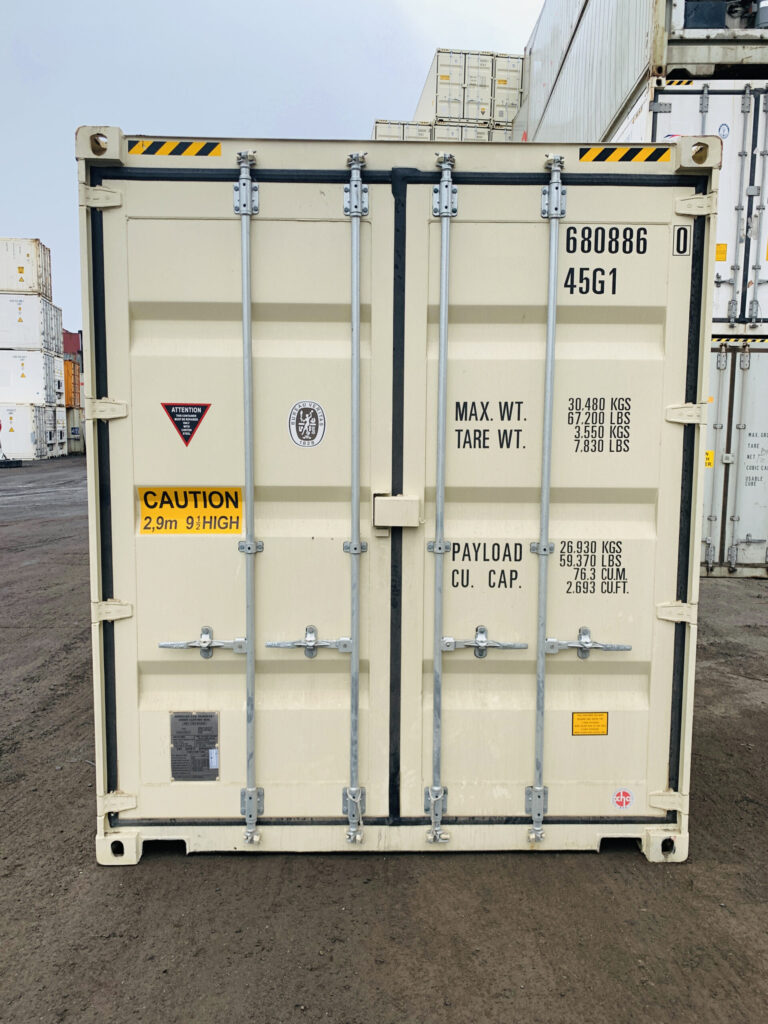
45ft Conexwest Shipping Containers When it comes to secure, durable, and versatile storage solutions, 45ft Conexwest Shipping Containers stand as the industry
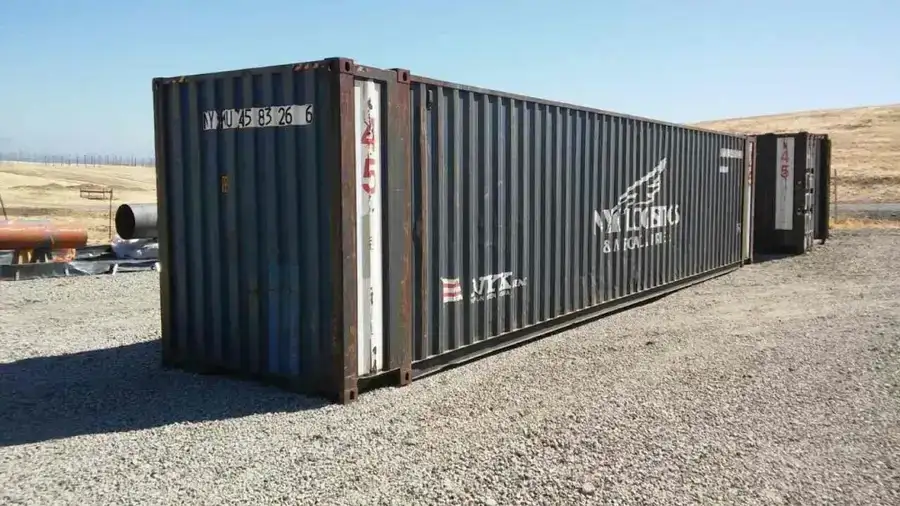
How Much Does A 45ft Shipping Container Weigh Empty & Loaded? If you’re searching for a reliable storage solution that
 Optimized by Seraphinite Accelerator