 Skip to content
Delivery Preparation for 10ft Containers: Complete Setup Guide
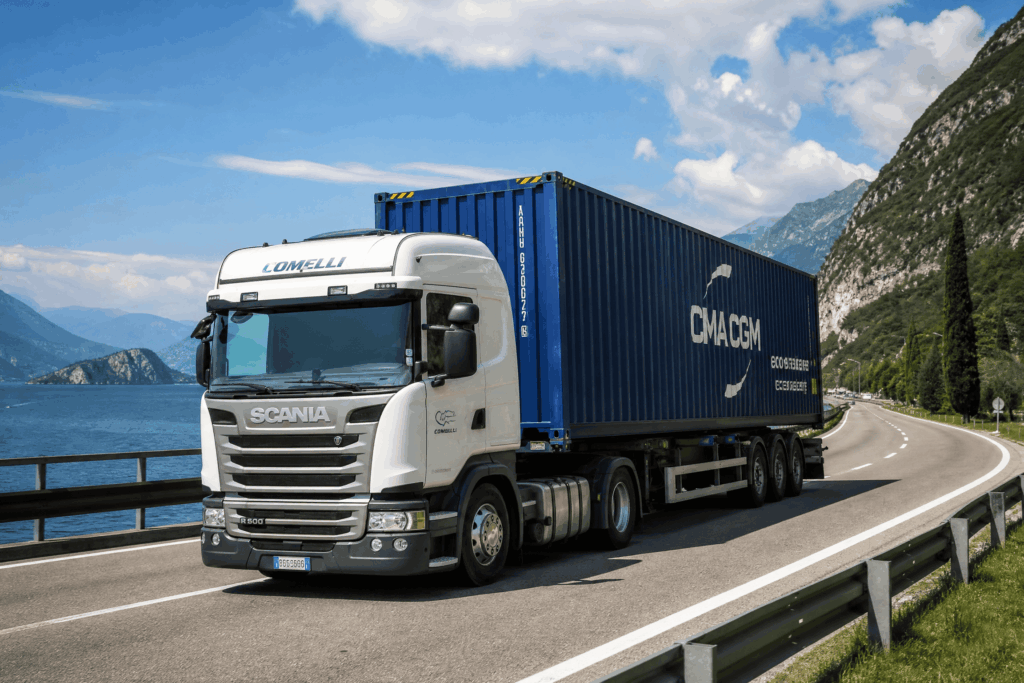
Delivery preparation for 10ft container projects begins long before the truck arrives at your site. At Ave Storage Container LLC, we’ve delivered thousands of portable storage solutions across the region, and we’ve learned one critical truth: the success of your container experience is determined long before delivery day arrives.
Whether you’re renting a 10ft shipping container for temporary storage during a home renovation or purchasing a modified unit for your business, proper delivery preparation ensures a smooth, safe, and cost-effective experience. This comprehensive guide walks you through every aspect of preparing your site for https://avestoragecontainerllc.com/10ft-containers/https://avestoragecontainerllc.com/10ft-containers/—from assessing ground conditions to coordinating with our delivery team.
Our goal is simple: by the end of this guide, you’ll have complete confidence in your ability to prepare for container delivery, and you’ll understand why working with an experienced provider like Ave Storage Container LLC makes all the difference in your project success.
Let’s dive in.
Understanding 10ft Container Delivery Logistics
What Makes 10ft Container Delivery Unique
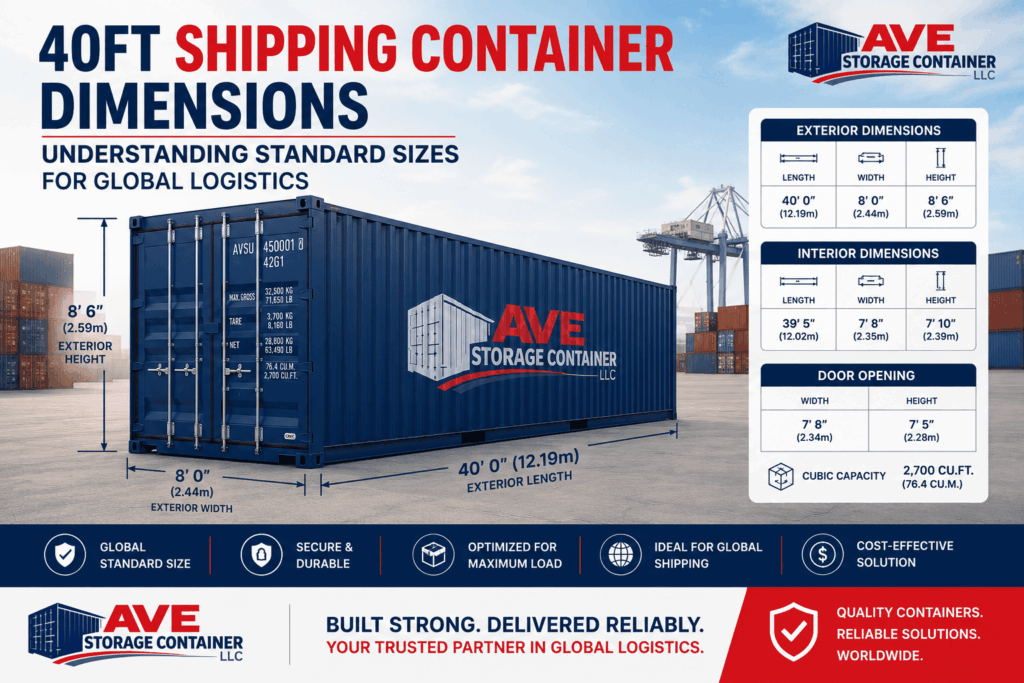
The 10ft shipping container represents an ideal middle ground in portable storage solutions. At 10 feet long, 8 feet wide, and 8 feet 6 inches tall, these compact units fit locations where larger 20ft or 40ft containers cannot navigate. This versatility makes them perfect for urban settings, residential properties, and sites with limited access.
However, this smaller footprint doesn’t mean delivery is simplified. Understanding the logistics of small container transport helps you appreciate why proper preparation matters.
A standard 10ft container weighs between 2,200 and 4,800 pounds depending on construction materials. Delivering this payload requires specialized equipment, proper site conditions, and careful planning. Our delivery preparation checklist ensures nothing is overlooked.
The Delivery Vehicle Requirements
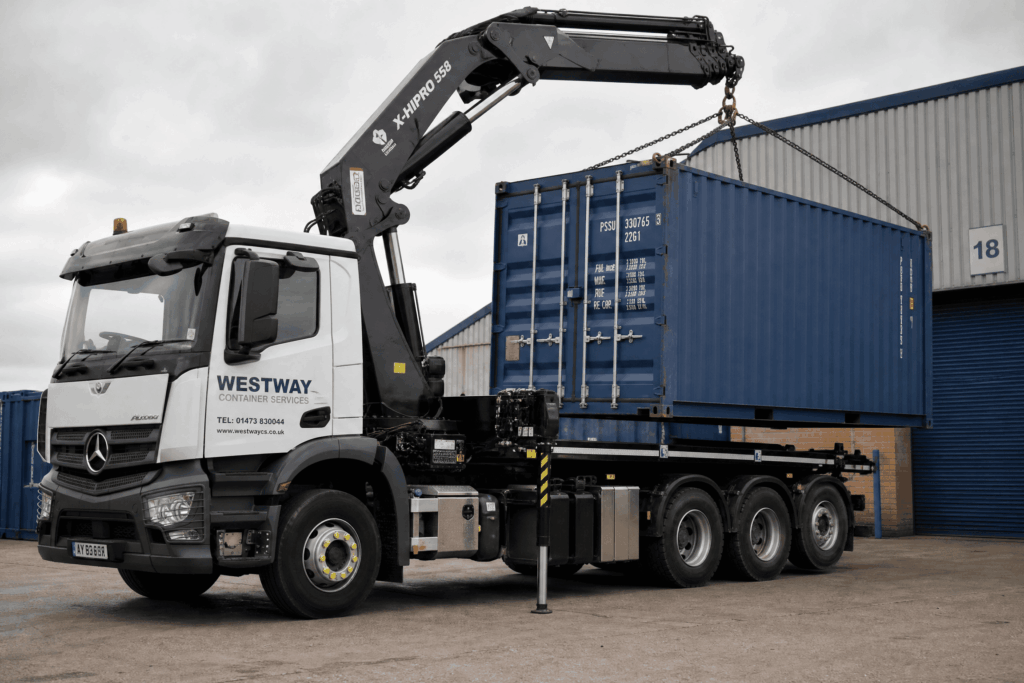
Most 10ft container deliveries utilize specialized truck equipment designed for shipping container logistics. The most common configuration involves a roll-on/roll-off (RORO) truck with a hydraulic lift system. These vehicles require specific conditions to operate safely.
The typical delivery truck for 10ft containers measures approximately 25-30 feet in total length. The vehicle requires adequate space to position itself for unloading, typically needing 50-60 feet of straight approach area. Understanding these requirements shapes your site preparation decisions.
Site Readiness Assessment
Evaluating Your Delivery Location
Before requesting delivery, conduct a thorough site assessment. Your delivery location must support the weight of the loaded container while providing safe access for the delivery vehicle. Here’s what to examine:
Ground Stability Assessment
Your delivery site must rest on solid, level ground capable of supporting 3,000-5,000 pounds point load. Grass, mud, soft soil, or uneven surfaces create significant challenges. Walk the intended delivery path and note any soft spots, drainage issues, or areas that appear unstable.
Overhead Clearance Check
Measure clearance from ground level to any overhead obstructions. Power lines, tree branches, building overhangs, and other impediments must clear the delivery vehicle height plus container height. For 10ft containers with truck, plan for at least 14 feet of vertical clearance.
Approach Path Evaluation
Examine the path from the public road to your delivery location. Sharp turns, narrow passages, low-hanging branches, or soft ground along the route compromise delivery safety. Note any obstacles requiring attention before delivery day.
Access Requirements for Container Delivery
Container truck access demands careful attention. The delivery vehicle needs adequate width, length, and surface conditions to navigate safely.
Width Requirements
A delivery truck requires at least 10-12 feet of clear width throughout the approach path. Gates, fence corners, landscaping, and parked vehicles reduce available width. Measure your narrowest passage point.
Length and Turning Radius
The delivery vehicle needs space to position and unload. A minimum straight approach of 40-50 feet allows the truck to align properly. Additionally, consider turning radius at corners—standard trucks require 20-25 feet to execute turns.
Surface Conditions
The approach path must support heavy vehicle loads. Gravel, asphalt, or concrete provides appropriate surfaces. Grass, dirt, or muddy areas may require reinforcement or alternative delivery methods.
Ground Preparation for Containers
Achieving Proper Container Placement Leveling
Level ground is essential for 10ft container placement. An unlevel container creates functional problems—doors may not close properly, contents may shift, and structural integrity compromises over time. Your site preparation must address leveling requirements.
Identifying Level Surfaces
Natural ground rarely provides adequate levelness. Even slight slopes cause issues. Your delivery site should demonstrate less than 2 inches of variation across the container footprint. Use a transit or level instrument to assess your site accurately.
Ground Leveling Methods
Several approaches address ground leveling:
- Gravel base installation: Adding 4-6 inches of compacted gravel creates a stable, level surface. This method works well for permanent or semi-permanent placements.
- Concrete pad: For long-term installations, a concrete pad provides the most stable foundation. A 12×20 foot pad accommodates a 10ft container with adequate surrounding space.
- Container blocks or stands: Concrete blocks or steel container stands raise the container while providing leveling adjustment. This approach works where ground modification isn’t feasible.
- Compacted soil: For temporary placements on firm ground, compaction with proper drainage may suffice.
Drainage Considerations
Water accumulation beneath containers creates multiple problems—rust, mold, structural damage, and pest infestations. Effective drainage preparation protects your investment.
Assessing Natural Drainage
Examine your site during or after rainfall. Identify low spots where water collects, natural drainage paths, and areas where water flows toward your intended container location. Select the highest available location.
Creating Positive Drainage
Grade your site to direct water away from the container footprint. A 2-5% slope away from all sides provides adequate drainage. Install drainage ditches, French drains, or swales as needed to redirect water flow.
Raised Placement Options
In flood-prone areas or sites with poor drainage, raised placement on blocks or concrete piers provides additional protection. Discuss elevation options with our team during ordering.
Preparing for Container Delivery Day
Pre-Delivery Checklist
The week before your scheduled delivery, complete this preparation checklist:
Documentation and Payment Requirements
Having proper documentation ready streamlines your delivery experience. Our team contacts you before delivery to confirm details, but being prepared ensures smooth processing.
Delivery Confirmation
Review your order confirmation email thoroughly. Note the scheduled delivery date, time window, and any special instructions. Our team provides a 2-4 hour delivery window, so remain available throughout.
Payment Preparation
Depending on your order, prepare payment through your agreed method. We accept various payment options—credit cards, checks, wire transfers, or established credit terms for qualifying customers.
Site Access Instructions
If your delivery location requires special access—gates, codes, or escort arrangements—prepare these details and share with our dispatch team in advance.
Clearing the Approach Path
The delivery vehicle needs unobstructed access from the public road to your placement site. Remove vehicles, outdoor furniture, landscaping, or any other items that reduce clearance.
Width Clearing
Clear a path at least 12 feet wide from road to site. Remove fence posts, gate hardware, or landscaping that encroaches into this path.
Height Clearing
Survey overhead clearance throughout the approach path. Trim tree branches, relocate basketball hoops, or adjust other overhead items to provide 14 feet of clearance.
Length Clearing
Ensure 50 feet of straight approach path exists. Move any items along this path that would obstruct vehicle positioning.
Container Site Leveling Techniques
Professional Leveling Methods
Achieving proper container leveling requires attention to detail and appropriate techniques. While minor adjustments are possible after delivery, starting with a level surface minimizes adjustments and future problems.
Using Container Blocks
Concrete blocks provide a common leveling solution. Standard 8x8x16 inch concrete blocks offer substantial support area and can be stacked for height adjustment. Position blocks at container corners and along side rails for support.
Block Placement Guidelines
- Place blocks on compacted, stable ground
- Maintain consistent block height across each position
- Use shims for fine height adjustment
- Check levelness across multiple axes
- Stack blocks no more than 3 high without professional engineering
Gravel Bed Installation
A compacted gravel bed provides excellent support and drainage. This method works well for permanent or long-term placements.
Gravel Installation Steps
- Excavate 6-8 inches below intended surface level
- Install landscape fabric to prevent weed growth
- Add 3/4 inch minus gravel in 3-inch lifts
- Compact each lift thoroughly
- Grade to level with 2% drainage slope
- Verify final levelness before delivery
Concrete Pad Preparation
For permanent installations, a concrete pad provides the most stable foundation. Professional installation ensures proper specifications.
Concrete Pad Specifications
- Minimum 4-inch depth for standard loads
- Reinforced with rebar or wire mesh
- Extended 12 inches beyond container footprint
- Finished level within 1/4 inch tolerance
- Cured minimum 7 days before container placement
Underground Utility Safety
Locating Underground Infrastructure
Before delivery, contact your local utility location service to mark underground infrastructure. This critical step prevents dangerous contact with buried utilities and ensures safe delivery operations.
Utility Location Process
Contact 811 or your local utility location service 48-72 hours before delivery. This free service marks buried gas lines, electrical lines, water pipes, communication cables, and other infrastructure.
Marking Legend Understanding
Utility markers use standardized colors:
- Red: Electric lines
- Yellow: Gas lines
- Blue: Water lines
- Green: Sewer lines
- Orange: Communication lines
- Purple: Reclaimed water
Safe Distance Requirements
Maintain minimum clearance distances from marked utilities—typically 18-24 inches horizontally. Avoid digging or driving in marked areas without professional supervision.
Above-Ground Utility Awareness
Note the location of above-ground utilities near your delivery path. Power lines, transformers, gas meters, and other infrastructure must be identified and avoided during delivery operations.
Container Delivery Safety Protocols
Delivery Day Safety Measures
Safety remains paramount during container delivery. Our delivery team follows established protocols to protect personnel, property, and your container.
Site Safety Assessment
Upon arrival, our driver assesses actual site conditions. If conditions differ from discussed information or present safety hazards, alternative arrangements may be necessary. This assessment protects everyone involved.
Personal Protective Equipment
Our delivery personnel wear appropriate PPE including safety vests, hard hats, and steel-toed boots. Familiarity with site conditions helps them work efficiently and safely.
Property Protection
Our team takes precautions to protect your property during delivery. plywood, plates, or other protective materials may be placed on landscaping or surfaces that could be damaged during container placement.
Your Safety Responsibilities
As the site owner, you contribute to safe delivery operations.
Clear Communication
Inform our team of any site hazards, underground issues, or access concerns before delivery day. Complete disclosure enables proper planning.
Pet Management
Secure pets away from delivery operations. Even friendly animals may react unpredictably to large vehicles and equipment.
Spectator Policy
Keep family members, employees, or neighbors at safe distance during delivery operations. Uninvolved persons may inadvertently create hazards.
Small Container Transport Considerations
Delivery Timing Optimization
Proper timing improves delivery success. Consider these factors when scheduling:
Weather Considerations
Inclement weather affects delivery operations. Heavy rain creates soft ground conditions, high winds compromise crane operations, and extreme temperatures affect equipment performance. Our team monitors weather and may reschedule for safety.
Time of Day Selection
Traffic conditions, neighborhood activity, and heat levels affect delivery. Early morning deliveries often provide optimal conditions—cooler temperatures, lighter traffic, and fewer interruptions.
Seasonal Planning
Seasonal factors influence delivery:
- Spring: Ground conditions may be soft from snowmelt or rainfall
- Summer: Heat may affect afternoon delivery comfort
- Fall: Generally optimal conditions
- Winter: Frozen ground may require alternative approaches
Access Route Planning
Beyond your immediate site, consider the broader delivery route.
Route Assessment
Our dispatch team evaluates the delivery route from major roadways to your site. Low bridges, weight-restricted roads, narrow neighborhood streets, or construction zones may necessitate route modifications.
Permit Requirements
Some jurisdictions require oversize load permits or special transportation authorizations. Our team handles necessary permits—we’ll inform you if any additional documentation is required from you.
Coordinating With Your Delivery Team
Pre-Delivery Communication
Effective communication before delivery prevents problems on delivery day.
Confirmation Call
Our team contacts you 24-48 hours before scheduled delivery to confirm logistics. This call verifies address, contact information, site access details, and any special requirements.
Change Notification
If circumstances change—site conditions, access, or availability—contact us immediately. Early notification enables alternative arrangements; last-minute changes may incur additional charges.
Delivery Day Expectations
Understanding what to expect reduces anxiety and improves coordination.
Arrival Window
We provide a 2-4 hour delivery window. Our driver contacts you when en route, typically 30-60 minutes before arrival. Remain available throughout this window.
Site Preparation Verification
Our driver verifies site conditions before unloading. Having someone present who can make decisions if problems arise ensures smooth operations.
Delivery Completion
Once the container is placed, our driver reviews placement with you. Verify the container is positioned correctly before signing delivery completion documents.
Container Placement Requirements
Ideal Placement Characteristics
The optimal container placement location balances convenience, functionality, and logistics.
Accessibility Requirements
Place your container where the delivery truck can approach directly. Pull-through access—where the truck drives in front and exits forward—is ideal. Back-in positioning requires additional space and creates more complex unloading.
Functional Considerations
Consider how you’ll use the container when selecting placement. Near your work area provides convenience. However, consider future access—for loading, unloading, and potential repositioning.
Ground Condition Confirmation
Your placement site must meet the ground stability and levelness requirements discussed earlier. Our driver assesses final placement conditions and may require alternative positioning if conditions are inadequate.
Common Placement Challenges
Several common challenges affect placement decisions:
Limited Access Sites
Narrow driveways, limited turning space, or obstacles require creative solutions. Our experienced drivers regularly handle challenging placements—discuss your concerns with our team.
Sloped Sites
Significant slopes require additional attention. Extreme slopes may require retaining structures, alternative support methods, or partial grading.
Soft Ground Sites
Lawn areas, garden spaces, or areas with poor drainage may require ground reinforcement. Gravel, plywood, or blocking systems address these challenges.
Post-Delivery Considerations
Verifying Container Condition
Inspect your container upon delivery before our team departs.
External Inspection
Walk around the container noting any visible damage—dents, scratches, rust, or missing components. Document any concerns with photos and notes.
Door Operation
Test container doors to ensure proper operation. Doors should open and close smoothly, latch securely, and seal properly when closed.
Interior Condition
If accessible, inspect interior condition. Note any pre-existing damage or concerns.
Securing Your Container
Proper container security protects your investment.
Lock Options
We offer various locking solutions:
- Standard padlock: Basic security for low-value contents
- Lockbox: Reinforced lock protection prevents bolt cutting
- High-security locks: Maximum protection for valuable contents
Additional Security Measures
Consider lighting, fencing, or security cameras for enhanced protection, especially for long-term or remote placements.
Common Delivery Preparation Mistakes to Avoid
Frequent Errors That Complicate Delivery
Through years of delivery experience, we’ve identified common preparation mistakes:
Inadequate Site Assessment
Failing to evaluate ground conditions, access constraints, or overhead clearances before delivery creates problems. Our pre-delivery checklist helps avoid oversights.
Last-Minute Preparation
Attempting to prepare your site the night before delivery rarely produces adequate results. Allow sufficient preparation time—at least one week before delivery.
Communication Gaps
Not informing us of access issues, special requirements, or site changes until delivery day creates delays or complications. Open communication prevents problems.
Assuming Standard Truck Access
Every site presents unique challenges. What works for your car may not work for a delivery truck. Trust our team’s expertise when discussing access.
Working With Ave Storage Container LLC
Our Delivery Preparation Expertise
At Ave Storage Container LLC, delivery preparation is more than a checklist—it’s a core competency developed over thousands of successful deliveries.
Experienced Team
Our delivery personnel average over 10 years of experience in shipping container logistics. This expertise enables problem-solving and adapts to site-specific challenges.
Proper Equipment
We maintain a fleet of delivery vehicles equipped for various site conditions. From standard roll-off trucks to specialized equipment for challenging locations, we bring appropriate resources.
Customer Education Focus
We believe informed customers achieve better outcomes. This comprehensive guide reflects our commitment to education—your preparation directly impacts delivery success.
Our Delivery Process
Understanding our process helps you prepare effectively:
- Order Confirmation: We confirm your order details and schedule
- Pre-Delivery Contact: We call to verify logistics 24-48 hours before
- Delivery Day: Our driver arrives within the confirmed window
- Site Assessment: We evaluate conditions and position the container
- Completion Review: We verify placement and complete documentation
- Ongoing Support: We’re available for questions throughout your rental or ownership
Requesting Your Delivery
How to Prepare for a Successful Delivery
Now that you understand delivery preparation requirements, you’re ready to request your container.
Contact Our Team
Reach out to discuss your project requirements. Our knowledgeable team helps you select the right 10ft container, explains options, and schedules delivery at your convenience.
Share Site Details
Provide accurate information about your delivery location—address, access conditions, ground surface, and any potential challenges. Photos help us assess your site accurately.
Ask Questions
If anything about delivery preparation remains unclear, ask. We’re here to help you prepare successfully.
Free Quote Request
Ready to get started? Request your free quote today. Provide your project details, delivery location, and timeline, and our team responds promptly with competitive pricing and delivery options.
Conclusion
Delivery preparation for 10ft container projects doesn’t have to be overwhelming. By understanding the requirements—site readiness, ground preparation, access requirements, and coordination—you set the foundation for successful delivery.
This guide reflects our experience delivering thousands of containers across the region. Every recommendation derives from real-world challenges and solutions. Our goal is your success: a properly placed container that serves your needs effectively.
Remember the key points:
- Assess your site thoroughly before scheduling delivery
- Ensure ground stability, levelness, and proper drainage
- Clear all access obstacles—width, length, and overhead
- Coordinate with our team through every step
- Inspect your container upon delivery
At Ave Storage Container LLC, we’re committed to making your container experience successful from order to completion. Our team stands ready to answer your questions, address your concerns, and ensure smooth delivery operations.
Ready to get started? Request your free quote today. Tell us about your project, and we’ll provide competitive pricing with delivery options tailored to your needs.
Frequently Asked Questions Delivery Preparation FAQ
1. How far in advance should I prepare my site for 10ft container delivery?
Begin site preparation at least one week before your scheduled delivery date. This provides adequate time to address ground conditions, clear access paths, and resolve any unexpected challenges.
2. What happens if my site isn’t ready on delivery day?
If site conditions aren’t adequate for safe delivery, our driver may need to reschedule. This may incur additional charges depending on circumstances. Thorough preparation prevents these situations.
3. Can I have my container delivered to a paved driveway?
Yes, paved driveways typically provide excellent delivery surfaces. Ensure the driveway can support the weight of the loaded container and delivery truck—typically 30,000-40,000 pounds total.
4. Do I need to be present during container delivery?
Yes, someone with authority to make decisions must be present during delivery. This person should be familiar with the site and prepared to verify placement.
5. How much clearance does a delivery truck need?
A standard delivery truck requires at least 12 feet of width, 14 feet of overhead clearance, and 50 feet of straight approach length. Measure your specific access against these requirements.
6. Can a 10ft container be delivered to a sloped yard?
Containers can be placed on轻度 sloped ground with proper support and blocking. Steeper slopes require retaining structures or grading. Our team assesses your specific conditions.
7. What ground preparation is needed for a 10ft container on grass?
For temporary placements on grass, adding plywood or gravel provides ground protection and stability. For permanent placements, concrete pads or properly compacted gravel bases are recommended.
8. How do I ensure my delivery site is level enough?
Use a transit or professional level instrument to assess your site. Variation should not exceed 2 inches across the container footprint. Professional grading or gravel addition addresses most leveling needs.
9. What should I do about underground utilities?
Contact 811 or your local utility location service at least 72 hours before delivery. This free service marks buried infrastructure and prevents dangerous contact.
10. Can trees or branches be trimmed before delivery?
Yes, but coordinate with our team first. We need to know if overhead access will be affected by trimming. Some trees may require professional arborist services.
11. What if my delivery location is in a flood zone?
In flood-prone areas, raised placement on blocks or concrete piers provides protection. Discuss elevation options with our team when ordering.
12. How long does container delivery take?
Actual delivery and placement typically takes 15-30 minutes, assuming site conditions are adequate. Plan for additional time if extensive positioning is required.
13. Can the container be placed inside a building or garage?
Standard delivery requires crane operations for placing containers inside structures. This requires special scheduling and may incur additional charges. Discuss your specific requirements with our team.
14. What documentation do I need for container delivery?
Have your order confirmation, payment method, and site access information ready. Our team contacts you before delivery with specific documentation requirements.
15. What happens if the container doesn’t fit at my site?
Our driver assesses placement feasibility before unloading. If the container cannot be placed as requested, we’ll discuss alternative options—which may include rescheduling or location changes.
16. Are delivery charges included in my quote?
Delivery charges vary based on distance and site conditions. Our quotes typically include standard delivery within our service area. Complex deliveries may incur additional charges—these are disclosed before order confirmation.
17. Can I request a specific delivery time?
We provide delivery windows rather than specific times. Early morning deliveries often provide more precise scheduling. Discuss timing preferences with our team during ordering.
18. What weather conditions affect delivery?
Heavy rain, high winds, snow, or extreme temperatures may require delivery rescheduling for safety. Our team monitors conditions and contacts you if rescheduling is necessary.
19. How do I prepare for container delivery in winter?
Winter deliveries require attention to frozen ground, snow removal, and ice conditions. Clear snow and ice from the delivery path and placement site before our arrival.
20. What makes Ave Storage Container LLC different in delivery preparation?
Our experience matters. We’ve delivered thousands of containers across diverse conditions. This expertise enables accurate assessment, proactive problem-solving, and successful delivery outcomes.
