 Skip to content
 Shipping Container Delivery in Houston: Transforming Logistics for Businesses and Homeowners
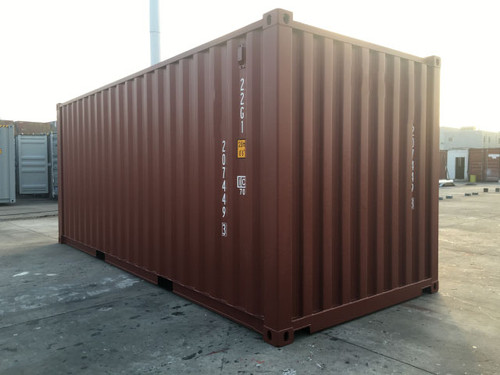
Imagine needing a sturdy, mobile storage solution that arrives on schedule, fits tight urban spaces, and costs far less than traditional construction. That promise is exactly what Shipping Container Delivery in Houston delivers to contractors, retailers, and homeowners alike. In the following sections, we break down every step of the process, from selecting the right container type to navigating permits, so you can make confident decisions for your next project.
Key Takeaways
- Shipping Container Delivery in Houston offers flexible, cost‑effective storage and modular building options.
- Understanding container sizes, condition grades, and delivery logistics prevents costly delays.
- Local providers streamline permits, route planning, and site preparation for seamless execution.
- Proper inspection upon arrival protects your investment and ensures structural integrity.
- Sustainable practices, such as repurposing containers, reduce waste and support green building goals.
Why Houston Is a Hub for Shipping Container Delivery
Houston’s strategic location near the Gulf Coast, extensive highway network, and bustling port make it a natural focal point for Shipping Container Delivery in Houston. The city’s industrial zones, rapid suburban expansion, and vibrant construction scene create constant demand for modular units that can be moved quickly. Moreover, the presence of numerous logistics firms specializing in heavy‑haul transport ensures competitive pricing and reliable service.
Because the Port of Houston handles millions of TEUs each year, containers frequently arrive already inspected and ready for secondary use. This influx reduces lead times for customers seeking Shipping Container Delivery in Houston for storage, pop‑up retail, or temporary offices. Additionally, local zoning regulations have adapted to accommodate container‑based structures, further encouraging adoption.
In short, the combination of infrastructure, market demand, and regulatory support positions Houston as a leading destination for anyone needing efficient container delivery services.
Understanding Shipping Containers: Types and Sizes
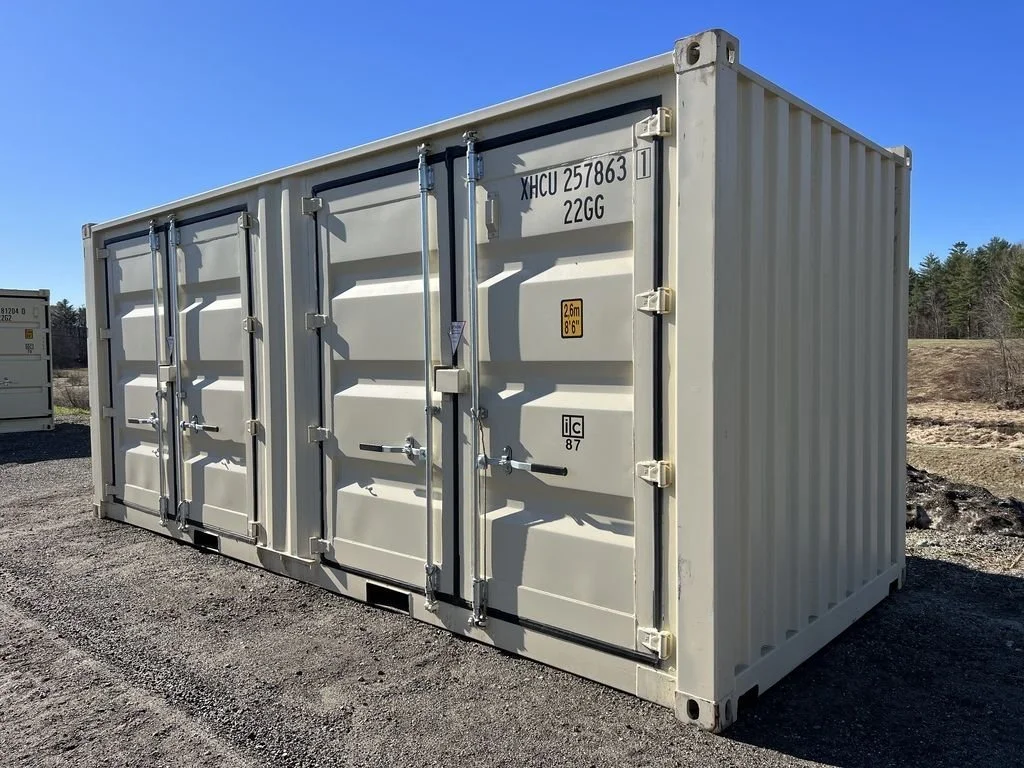
Before scheduling Shipping Container Delivery in Houston, it helps to know the variety of containers available. Standard ISO containers come in 20‑foot and 40‑foot lengths, with heights of either 8 feet (standard) or 8 feet 6 inches (high cube). These dimensions affect both transport costs and interior volume.
Beyond size, containers differ in condition. New‑build “one‑trip” units have minimal wear and are ideal for habitable spaces. Used containers fall into grades: cargo‑worthy, wind‑and‑water‑tight, and as‑is. Each grade influences price and suitability for specific applications.
Specialized containers, such as refrigerated reefers, open‑top units, and flat racks, cater to niche needs like temperature‑sensitive goods or oversized equipment. When you request Shipping Container Delivery in Houston, specifying the exact type ensures the provider brings the right equipment and avoids unnecessary handling.
The Process of Shipping Container Delivery in Houston
Executing a successful Shipping Container Delivery in Houston involves several coordinated steps. First, the customer confirms container specifications, delivery address, and preferred date. Next, the provider checks route feasibility, obtains any required permits, and schedules a suitable truck or trailer.
On the day of delivery, the driver arrives with a chassis or tilt‑bed truck, positions the container at the designated spot, and uses hydraulic systems or cranes to place it securely. Finally, the provider conducts a brief walk‑through with the customer to verify placement and collect any required documentation.
Clear communication throughout this process minimizes misunderstandings and ensures the container arrives exactly where and when it’s needed.
Shipping Container Delivery in Houston
Now we focus specifically on the logistics nuances that define Shipping Container Delivery in Houston within the metropolitan area. Houston’s sprawling layout means delivery routes can vary dramatically based on traffic patterns, construction zones, and bridge height restrictions. Providers often use GPS‑enabled fleet management to adjust routes in real time, reducing delays.
Another factor is the city’s humid subtropical climate, which can affect container condition during transit. Reputable companies inspect units for rust, seal integrity, and floor damage before loading them onto trailers. This pre‑delivery inspection is a hallmark of quality Shipping Container Delivery in Houston service.
Additionally, many Houston‑based providers offer value‑added services such as on‑site cleaning, minor repairs, and custom modifications (e.g., adding doors, windows, or insulation). By bundling these options with delivery, customers save time and reduce the need for multiple contractors.
When evaluating a quote for Shipping Container Delivery in Houston, ask about fuel surcharges, toll fees, and any potential detention charges if the container must remain on the truck longer than expected. Transparent pricing structures help avoid surprise costs later in the project.
Preparing Your Site for Delivery
Proper site preparation is essential for a smooth Shipping Container Delivery in Houston. Begin by clearing the delivery area of debris, vegetation, and overhead obstructions such as low‑hanging branches or power lines. The ground should be level and capable of supporting the container’s weight, which can exceed 30,000 pounds for a loaded 40‑foot unit.
If the soil is soft or prone to shifting, consider laying a gravel base or using concrete pads to distribute weight evenly. This step prevents settling that could make doors difficult to open or cause structural stress over time.
Finally, verify that the delivery truck has sufficient ingress and egress space. A minimum turning radius of 45 feet is typical for a semi‑tractor trailer, so ensure driveways or gates accommodate this measurement.
Coordinating with Transport Companies
Effective communication with the transport company streamlines Shipping Container Delivery in Houston. Provide the carrier with precise GPS coordinates, contact names, and phone numbers for both the dispatch office and the on‑site supervisor. Share any site‑specific restrictions, such as gated communities requiring access codes or construction sites needing safety briefings.
Confirm the estimated time of arrival (ETA) and request updates if the driver encounters unexpected delays. Many providers offer real‑time tracking portals where you can view the truck’s location and receive automated notifications.
After placement, obtain a signed delivery receipt that notes the container’s condition, any observed damage, and the exact time of completion. This document serves as proof of service and can be useful for insurance purposes.
Managing Permits and Regulations
Although many residential deliveries of Shipping Container Delivery in Houston require no permit, certain situations trigger regulatory review. If you intend to place a container on a public right‑of‑way, use it as a permanent structure, or modify it for habitation, you will likely need a permit from the City of Houston Planning and Development Department.
Typical requirements include submitting a site plan, demonstrating compliance with setback rules, and proving that the container meets applicable building codes. For temporary uses (e.g., event storage), a short‑term permit may suffice, often processed within a few business days.
Working with a provider experienced in local regulations can simplify this process. They often handle permit applications, coordinate inspections, and ensure the container’s placement aligns with zoning ordinances.
Benefits of Using Shipping Containers for Storage and Projects
Choosing Shipping Container Delivery in Houston unlocks a range of advantages that traditional storage solutions struggle to match. First, containers are inherently secure; their corten steel walls resist forced entry, and lock boxes can be added for extra protection. Second, they are weather‑tight, safeguarding contents from Houston’s heavy rains and occasional hurricanes.
Third, modularity allows rapid scaling. Need more space? Simply add another container and connect them with bolt‑together framing. Fourth, containers are portable; if your needs change, you can relocate the unit with minimal effort, preserving your investment.
Finally, repurposing containers supports sustainability. By giving a second life to steel that would otherwise be scrapped, you reduce the demand for new construction materials and lower the carbon footprint associated with your project.
Selecting a Reliable Provider for Shipping Container Delivery in Houston
Finding a trustworthy company for Shipping Container Delivery in Houston requires evaluating several criteria. Start by verifying the provider’s licensing, insurance coverage, and safety record. A reputable firm will readily share their USDOT number and proof of cargo liability.
Next, examine customer reviews and testimonials, paying attention to comments about punctuality, communication, and container condition upon arrival. Look for patterns of consistent satisfaction rather than isolated praise.
Inquire about the provider’s fleet capabilities. Do they own tilt‑bed trucks, chassis, or crane‑equipped trailers? Having the right equipment reduces the risk of damage during placement and can accommodate challenging site conditions.
Finally, assess their after‑delivery support. Do they offer maintenance services, modification consultations, or pickup options when you no longer need the container? A full‑service partner adds long‑term value beyond the initial drop‑off.
Shipping Container Delivery in Houston
Within the selection process, the phrase Shipping Container Delivery in Houston itself becomes a useful benchmark for evaluating a provider’s expertise. Ask potential vendors to describe their most recent container delivery projects in the Houston area, including the types of containers moved, the routes taken, and any challenges overcome.
Listen for specifics such as familiarity with the Sam Houston Tollway, knowledge of height restrictions on the Hardy Toll Road, or experience navigating the congested corridors near the Texas Medical Center. Providers who can cite concrete examples demonstrate practical knowledge that translates into smoother deliveries for you.
Additionally, request a sample delivery checklist or standard operating procedure. This document should outline pre‑delivery inspections, route planning steps, site preparation guidelines, and post‑delivery verification procedures. A thorough checklist indicates a commitment to quality and reduces the likelihood of oversights.
Finally, compare quotes not only on price but on the inclusiveness of services. Some companies quote a base rate for Shipping Container Delivery in Houston but charge extra for permits, fuel surcharges, or after‑hours delivery. Understanding the full cost structure helps you make an apples‑to‑apples comparison.
Cost Factors Influencing Shipping Container Delivery in Houston
Several variables shape the final price you pay for Shipping Container Delivery in Houston. The primary driver is distance: longer hauls increase fuel consumption, driver time, and toll expenses. However, intra‑city moves within the Houston metro area often benefit from competitive rates due to high provider density.
Container size and weight also affect cost. A 40‑foot high‑cube unit carries more mass than a 20‑foot standard, requiring a stronger trailer and potentially special permits if the load exceeds axle limits. Additionally, the condition of the container influences price; newer, one‑trip units command a premium over heavily used cargo‑worthy units.
Accessorial fees can add up quickly. Examples include:
- Permit acquisition fees for street closures or overweight loads.
- Detention charges if the truck waits longer than the allotted free time at the pickup or drop‑off location.
- Special equipment costs for crane lifts or tilt‑bed usage when ground conditions are uneven.
- After‑hours or weekend surcharges for deliveries outside normal business hours.
To obtain an accurate estimate, provide the provider with detailed information: exact container specifications, pickup and drop‑off addresses, desired delivery window, and any site constraints. Request an itemized quote that separates base transportation from accessorial charges.
Common Challenges and How to Overcome Them
Even with careful planning, certain obstacles can arise during Shipping Container Delivery in Houston. Traffic congestion, especially during rush hour on I‑610 or the West Loop, can delay arrival times. Mitigate this by scheduling deliveries outside peak windows or using real‑time traffic apps to adjust routes.
Low bridges and overpasses pose another risk. Houston’s freeway network includes several structures with clearances under 14 feet, which can impede a loaded container on a standard trailer. Providers often use specialized low‑boy trailers or route containers via alternative highways with higher clearances.
Weather events, such as sudden thunderstorms or flooding, can make roads impassable. Keeping an eye on forecasts and maintaining flexible delivery dates helps avoid being stranded. Some companies offer weather‑guaranteed rescheduling at no extra cost.
Finally, miscommunication about site readiness can lead to extra fees. Confirm that the ground is level, accessible, and free of obstacles before the driver arrives. A brief pre‑delivery call with the site supervisor ensures everyone is on the same page.
Environmental Impact and Sustainability Practices
Sustainability is an growing consideration for customers requesting Shipping Container Delivery in Houston. Steel containers are highly recyclable; at the end of their service life, the material can be melted down and reused in new construction or manufacturing. This closed‑loop potential reduces waste and conserves natural resources.
Many providers now offer eco‑friendly options, such as using biodiesel‑powered trucks or optimizing loads to minimize empty miles. Additionally, some companies partner with local organizations to refurbish containers for affordable housing, community centers, or disaster relief shelters.
When you choose a provider that emphasizes green practices, you contribute to lowering the overall carbon footprint associated with your project. Ask about their sustainability initiatives and any certifications they hold, such as ISO 14001 for environmental management.
Future Trends in Shipping Container Delivery in Houston
The landscape of Shipping Container Delivery in Houston continues to evolve. One emerging trend is the integration of telematics and IoT sensors into containers themselves. These devices monitor temperature, humidity, and shock levels during transit, providing real‑time data that helps prevent damage to sensitive cargo.
Another development is the rise of modular construction firms that purchase containers outright, customize them off‑site, and then rely on delivery services to bring the finished units to the client’s location. This shift reduces on‑site labor time and enhances quality control.
Lastly, regulatory bodies are exploring standardized guidelines for container‑based accessory dwelling units (ADUs). As Houston adapts its zoning codes to accommodate these structures, demand for reliable delivery services is expected to grow steadily.
Frequently Asked Questions
What is the average cost for Shipping Container Delivery in Houston?
The average cost varies based on distance, container size, and service level. For a local move within the Houston metro area, expect to pay between $150 and $300 for a 20‑foot container and $250 to $450 for a 40‑foot unit. Longer hauls, special permits, or after‑hours delivery can increase these rates.
Do I need a permit to place a shipping container on my property in Houston?
In most residential scenarios, placing a container on private property for storage does not require a permit. However, if you intend to the container as a permanent structure, modify it for habitation, or locate it on a public right‑of‑way, you will need to obtain a permit from the City of Houston Planning and Development Department.
How long does Shipping Container Delivery in Houston typically take?
Timing depends on provider availability and site readiness. For a standard local delivery, the process—from order confirmation to placement—usually takes one to three business days. Expedited services can achieve same‑day or next‑day delivery, subject to additional fees.
Can I customize the container after it arrives?
Absolutely. Many customers add doors, windows, insulation, electrical wiring, or interior finishes after delivery. Some providers offer modification packages, while others recommend hiring a licensed contractor for more complex alterations.
What should I inspect when the container is delivered?
Check the exterior for dents, rust, or corrosion; verify that doors open and close smoothly; inspect the floor for rot or damage; and ensure the container sits level on the ground. Document any issues with photos and notify the provider immediately if significant problems are found.
Ready to Streamline Your Project?
Experience fast, reliable Shipping Container Delivery in Houston backed by industry‑leading service and transparent pricing.
Conclusion
Shipping Container Delivery in Houston stands out as a versatile, cost‑effective solution for storage, temporary offices, retail pop‑ups, and even residential modules. By understanding container types, preparing your site, selecting a reputable provider, and navigating local regulations, you can unlock the full potential of these robust steel units.
Whether you are a contractor needing secure on‑site storage, a business owner looking for a flexible storefront, or a homeowner pursuing a unique backyard studio, the insights shared here equip you to make informed decisions. Embrace the efficiency and sustainability that container delivery offers, and let your next project benefit from the strength and adaptability of this innovative logistics solution.
