 Skip to content
 Best Container Supplier in Florida: Top-rated Solutions for Your Shipping and Storage Needs
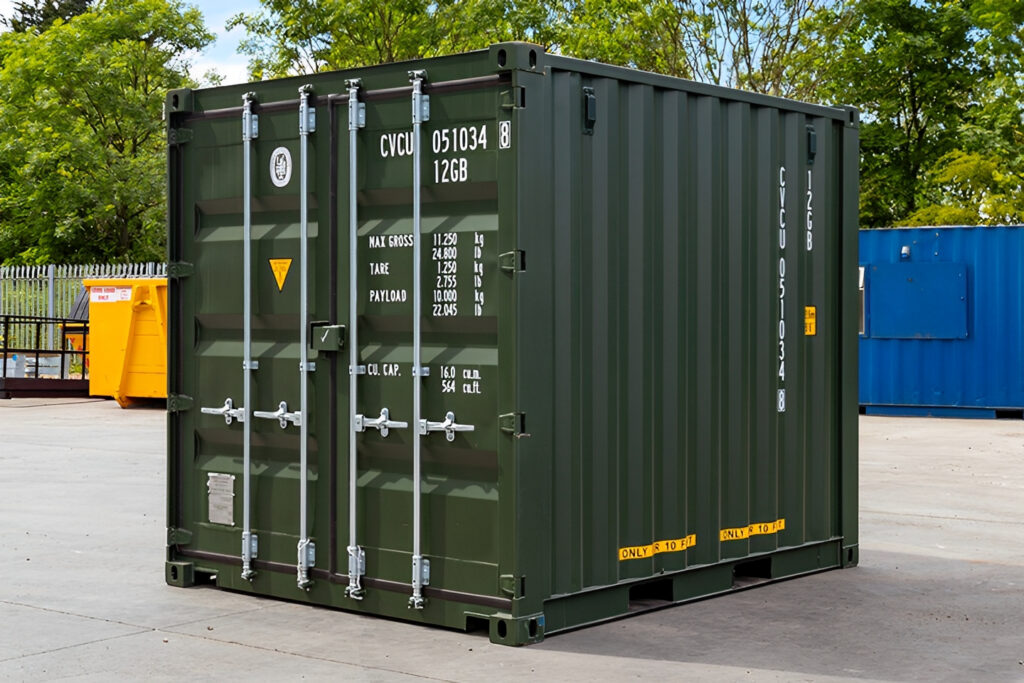
Best Container Supplier in Florida provides businesses with reliable, high-quality storage and shipping solutions tailored to diverse industry needs. Whether you require a single dry van container for temporary storage or a fleet of refrigerated units for perishable goods, choosing the right partner impacts cost, efficiency, and compliance. This guide explores what makes a supplier stand out, how to evaluate options, and actionable steps to secure the best value for your operations.
Key Takeaways
- The Best Container Supplier in Florida balances product quality, service flexibility, and transparent pricing.
- Assess inventory variety, modification capabilities, and delivery timelines before committing.
- Look for suppliers with proven port access, ISO certifications, and positive client testimonials.
- Consider long‑term partnership benefits such as volume discounts, maintenance support, and scalable solutions.
- Always request a detailed quote that includes delivery, setup, and any potential hidden fees.
Why Choosing the Right Container Supplier Matters
Selecting a container provider influences more than just the physical unit you receive. A reputable supplier ensures structural integrity, timely delivery, and adherence to safety standards. Poor choices can lead to costly delays, damage to goods, or regulatory fines. Therefore, understanding the supplier’s role in your supply chain is the first step toward operational success.
Furthermore, a dependable partner offers value‑added services such as custom modifications, on‑site maintenance, and flexible rental terms. These capabilities allow businesses to adapt quickly to changing demand without incurring unnecessary capital expenses. Consequently, the right supplier becomes a strategic asset rather than a mere vendor.
In addition, local expertise matters greatly in Florida’s unique logistics landscape. Proximity to major ports like Miami, Port Everglades, and Jacksonville reduces transit times and lowers transportation costs. Suppliers familiar with regional regulations can navigate permits and zoning requirements more efficiently.
As a result, businesses that invest time in vetting suppliers experience smoother operations, higher customer satisfaction, and improved bottom‑line performance. The following sections detail how to identify and evaluate the Best Container Supplier in Florida for your specific needs.
Understanding Different Container Types and Their Applications
Containers come in various sizes, materials, and configurations, each suited to particular uses. Knowing these options helps you match the right unit to your operational requirements.
Standard Dry Van Containers
Dry van containers are the most common type, ideal for general cargo that does not require temperature control. They come in 20‑foot and 40‑foot lengths, offering secure, weather‑proof storage for manufactured goods, electronics, and textiles.
Furthermore, their uniform dimensions simplify stacking and transportation across trucks, trains, and ships. Many suppliers offer both new and used dry vans, allowing cost‑conscious buyers to select based on budget and condition.
In addition, dry vans can be modified with shelving, lighting, or security locks to enhance functionality for warehouse or retail applications.
Refrigerated (Reefer) Containers
Reefer containers maintain precise temperature ranges, making them essential for perishable items such as food, pharmaceuticals, and chemicals. They feature built‑in refrigeration units powered by diesel or electric sources.
Moreover, advanced models offer humidity control and real‑time monitoring, ensuring product integrity throughout the supply chain. When searching for the Best Container Supplier in Florida, verify that their reefer fleet undergoes regular maintenance and certification.
Consequently, businesses in agriculture, seafood distribution, and medical logistics rely heavily on dependable reefer providers to prevent spoilage and regulatory violations.
Open Top and Flat Rack Containers
Open top containers feature a removable roof, facilitating loading of oversized cargo like machinery or construction materials. Flat racks lack side walls, accommodating irregularly shaped items that exceed standard dimensions.
Additionally, these specialized units often require custom lashing and securing procedures. Suppliers with expertise in heavy‑lift logistics can provide the necessary guidance and equipment.
As a result, industries such as oil and gas, aerospace, and large‑scale manufacturing frequently utilize open top and flat rack solutions for project‑specific needs.
Specialty Containers
Beyond the standard categories, specialty containers include tank containers for liquids, ventilated units for agricultural products, and insulated containers for temperature‑sensitive goods without active refrigeration.
Furthermore, some suppliers offer modular container buildings that can be transformed into offices, pop‑up shops, or temporary housing. These innovations expand the utility of traditional shipping containers.
Therefore, when evaluating the Best Container Supplier in Florida, inquire about their ability to source or modify specialty units to match unique project demands.
Evaluating Supplier Credentials and Reputation
A supplier’s track record speaks volumes about reliability and service quality. Conducting due diligence protects your investment and minimizes risk.
Industry Certifications and Standards
Look for certifications such as ISO 9001 (quality management), ISO 14001 (environmental management), and CSC (Container Safety Convention) compliance. These credentials indicate adherence to international best practices.
Furthermore, suppliers affiliated with reputable organizations like the Institute of International Container Lessors (IICL) demonstrate commitment to industry standards.
In addition, ask for documentation of regular inspections, maintenance logs, and repair histories for their container fleet.
Customer Reviews and Testimonials
Online reviews, case studies, and client references provide insight into real‑world performance. Pay attention to feedback regarding delivery punctuality, communication responsiveness, and after‑sales support.
Moreover, consider reaching out to businesses similar to yours for firsthand experiences. A supplier that consistently receives praise for flexibility and problem‑solving is likely a strong candidate.
As a result, compiling a shortlist based on reputation helps narrow options to those most likely to meet expectations.
Financial Stability and Transparency
A financially stable supplier is better positioned to honor long‑term contracts, invest in fleet upgrades, and weather market fluctuations. Request financial statements or credit references if entering a significant agreement.
Furthermore, transparent pricing structures—clearly outlining rental rates, delivery fees, modification costs, and potential penalties—build trust and prevent surprise expenses.
Consequently, prioritize suppliers who offer detailed, itemized quotes and are willing to discuss terms openly.
Best Container Supplier in Florida
Having covered the fundamentals, we now focus on identifying the Best Container Supplier in Florida through a systematic evaluation process. This section outlines practical steps to compare candidates and make an informed decision.
Best Container Supplier in Florida
The phrase “Best Container Supplier in Florida” serves as both a goal and a benchmark. To achieve this status, a supplier must excel across multiple dimensions: product quality, service range, logistical advantage, and customer satisfaction.
Furthermore, the leading suppliers often maintain strategically located depots near major highways and ports, reducing lead times and transportation costs. They also invest in technology such as GPS tracking and inventory management systems to provide real‑time visibility.
In addition, top‑tier providers offer comprehensive modification capabilities, from simple paint jobs to complex electrical installations, enabling clients to convert containers into functional spaces quickly.
As a result, businesses that partner with such suppliers benefit from reduced downtime, enhanced operational flexibility, and improved scalability.
Key Criteria for Selecting the Best Container Supplier in Florida
When assessing potential partners, consider the following criteria to determine which supplier truly deserves the title of Best Container Supplier in Florida.
- Inventory Depth: A wide selection of container sizes, types, and conditions ensures you can find the exact unit you need without compromise.
- Modification Expertise: In‑house fabrication teams capable of welding, cutting, and installing utilities demonstrate technical proficiency.
- Delivery Network: Multiple drop‑off points across Florida, coupled with reliable trucking partners, guarantee timely arrival.
- Customer Support: Dedicated account managers, 24/7 emergency lines, and clear escalation paths improve the overall experience.
- Sustainability Practices: Suppliers that refurbish used containers or offer eco‑friendly modifications appeal to environmentally conscious businesses.
Furthermore, requesting a site visit or virtual tour of the supplier’s depot can reveal the quality of their maintenance practices and organizational standards.
Consequently, a holistic evaluation based on these factors yields a clearer picture of which supplier aligns best with your strategic objectives.
Top Contenders for the Title of Best Container Supplier in Florida
While the “best” label is subjective, several companies consistently receive high marks from industry peers and customers alike. Below are brief profiles of notable contenders.
Container Solutions Inc.
Container Solutions Inc. operates three depots in Miami, Tampa, and Jacksonville, offering over 5,000 units ranging from standard dry vans to specialized reefers. Their modification shop provides custom electrical, HVAC, and interior build‑outs.
Furthermore, they maintain a 98% on‑time delivery rate and offer flexible rental terms from one day to several years. Customer testimonials frequently highlight their responsive support team and transparent pricing.
As a result, many logistics firms consider them a strong candidate for the Best Container Supplier in Florida title.
Florida Container Hub
Florida Container Hub focuses on sustainable practices, refurbishing used containers to extend their lifecycle. They offer a “green lease” program that includes energy‑efficient modifications such as solar panel installations and LED lighting.
Moreover, their proximity to Port Everglades enables rapid drayage services, reducing inland transportation costs for import/export businesses.
In addition, they provide detailed condition reports and third‑party inspection certifications for each unit, enhancing buyer confidence.
Consequently, eco‑conscious companies often rank them highly when seeking the Best Container Supplier in Florida.
Allied Container Services
Allied Container Services specializes in heavy‑duty and oversized containers, catering to construction, oil & gas, and aerospace sectors. Their fleet includes reinforced flat racks, open tops, and high‑cube units.
Furthermore, they offer on‑site modification services, sending welding crews directly to customer locations for large projects.
Moreover, their safety record exceeds industry averages, with zero reported incidents in the past three years.
As a result, businesses requiring robust, specialized solutions frequently turn to Allied Container Services as their go‑to provider.
How to Verify a Supplier’s Claim to Being the Best Container Supplier in Florida
Marketing claims require substantiation. Use the following verification steps to ensure a supplier’s promise of being the Best Container Supplier in Florida holds up under scrutiny.
- Request a copy of their latest CSC safety plates and inspection certificates for a random sample of containers.
- Ask for references from at least three current clients in your industry and inquire about specific performance metrics.
- Review their online presence for consistent positive feedback across platforms such as Google, Yelp, and industry forums.
- Confirm their physical address and visit the depot if possible to assess organization, cleanliness, and maintenance practices.
- Compare their quote against at least two other suppliers, ensuring all line items (delivery, setup, modifications, pickup) are itemized.
Furthermore, consider running a pilot project with a small number of containers to evaluate real‑world performance before committing to a larger contract.
Consequently, thorough validation protects you from overpromising and underdelivering scenarios.
Cost Considerations and Pricing Models
Understanding how suppliers structure their fees helps you budget accurately and avoid unexpected expenses.
Rental vs. Purchase Options
Renting offers flexibility for short‑term projects or fluctuating demand, while purchasing may be more economical for long‑term, steady‑state usage. Evaluate the total cost of ownership (TCO) for each scenario.
Furthermore, some suppliers provide rent‑to‑own programs that apply a portion of rental payments toward eventual purchase, bridging the gap between the two models.
In addition, consider factors such as maintenance responsibilities, insurance requirements, and potential resale value when deciding.
As a result, aligning the acquisition method with your operational timeline and financial goals optimizes cost efficiency.
Common Fee Structures
Typical charges include:
- Base rental rate (daily, weekly, or monthly)
- Delivery and pickup fees (often distance‑based)
- Modification labor and material costs
- Cleaning or repair fees upon return
- Late return or damage penalties
Furthermore, inquire about discounts for long‑term contracts, volume orders, or off‑peak season deliveries.
Consequently, a clear understanding of each fee component enables accurate forecasting and negotiation leverage.
Budgeting Tips for Container Projects
To keep expenses under control, consider the following strategies:
- Plan container needs early to avoid rush delivery surcharges.
- Consolidate shipments to maximize truckload efficiency and reduce per‑unit delivery costs.
- Standardize container sizes across projects to simplify inventory management and spare parts procurement.
- Negotiate service level agreements (SLAs) that guarantee response times for maintenance or emergency support.
- Track utilization rates to identify underused containers that could be returned or redeployed.
Furthermore, revisit your container strategy quarterly to adapt to changing business conditions and market pricing.
As a result, proactive budgeting contributes to sustained profitability and operational agility.
Legal and Regulatory Aspects of Container Use in Florida
Operating containers in Florida involves compliance with various local, state, and federal regulations. Awareness of these requirements prevents legal complications.
Zoning and Permitting
Depending on the intended use—storage, office, or residential—different zoning classifications may apply. Municipalities often require permits for placing containers on private property, especially if they remain for extended periods.
Furthermore, certain areas impose aesthetic guidelines, mandating specific paint colors, screening, or landscaping to maintain community standards.
In addition, temporary containers for events or construction may fall under different permitting rules than permanent installations.
As a result, consulting with the local planning department or a knowledgeable supplier can streamline the approval process.
Safety and Building Codes
Containers repurposed for habitation or workspaces must meet Florida Building Code standards, including egress, ventilation, fire safety, and structural integrity.
Furthermore, electrical and plumbing installations require licensed professionals and subsequent inspections to ensure compliance.
Moreover, the Occupational Safety and Health Administration (OSHA) sets guidelines for safe handling, stacking, and maintenance of containers in industrial settings.
Consequently, partnering with a supplier that offers code‑compliant modifications reduces risk and facilitates smoother inspections.
Environmental Regulations
Florida’s environmental statutes regulate the storage of hazardous materials, wastewater discharge, and stormwater management. Containers used for chemicals or fuels may need secondary containment systems and proper labeling.
Furthermore, suppliers that offer eco‑friendly modifications—such as low‑VOC paints, solar power options, or rainwater harvesting—help clients meet sustainability goals.
In addition, proper disposal or recycling of containers at end‑of‑life must follow state guidelines to avoid penalties.
As a result, selecting a supplier knowledgeable about environmental compliance adds another layer of assurance.
Case Studies: Successful Partnerships with Florida Container Suppliers
Real‑world examples illustrate how the right supplier choice drives tangible business benefits.
Case Study 1: Retail Pop‑Up Expansion
A Florida‑based boutique clothing brand needed flexible, attractive storefronts for seasonal pop‑up events in Miami, Orlando, and Tampa. They partnered with Container Solutions Inc., which provided three 40‑foot high‑cube units modified with storefront windows, interior lighting, and climate control.
Furthermore, the supplier managed delivery, setup, and pickup logistics for each event, allowing the retailer to focus on merchandising and sales.
As a result, the brand increased seasonal revenue by 35% compared to traditional tent‑based pop‑ups and reduced setup time from two days to under four hours.
Case Study 2: Agricultural Cold Storage Expansion
A citrus grower in the Indian River region required additional refrigerated capacity during peak harvest. They leased ten 20‑foot reefer containers from Florida Container Hub, which included temperature monitoring alarms and backup power options.
Furthermore, the supplier offered flexible lease terms that allowed the grower to scale up or down based on weekly harvest volumes.
Consequently, spoilage rates dropped from 8% to under 2%, preserving product quality and boosting market profitability.
Case Study 3: Construction Site Office Complex
A large infrastructure project in Jacksonville needed temporary office space for 50 personnel, including meeting rooms, a break area, and IT infrastructure.
Allied Container Services delivered twelve modified 40‑foot containers, welded together to form a two‑story complex with HVAC, electrical wiring, and data cabling.
Furthermore, the supplier provided on‑site maintenance support throughout the six‑month project duration.
As a result, the client reported high employee satisfaction, zero safety incidents related to the office structure, and seamless transition to permanent facilities upon project completion.
These case studies demonstrate how aligning with a capable container supplier can solve diverse operational challenges effectively.
Future Trends in the Container Supply Industry
The container market continues to evolve, driven by technological advances, sustainability pressures, and changing consumer behaviors.
Smart Container Technology
IoT‑enabled sensors now monitor temperature, humidity, door status, and location in real time. This data enhances supply chain visibility, reduces loss, and supports predictive maintenance.
Furthermore, blockchain integration is emerging to streamline documentation, improve traceability, and reduce fraud in international shipments.
As a result, suppliers investing in smart offerings differentiate themselves by providing value‑added data services alongside physical units.
Modular Architecture and Sustainable Building
Containers are increasingly used as building blocks for affordable housing, disaster relief shelters, and eco‑friendly commercial spaces. Innovations in, renewable energy integration, and waste‑reduction techniques expand their appeal.
Furthermore, manufacturers are exploring lighter yet stronger materials such as fiberglass‑reinforced panels to improve energy efficiency.
Consequently, the line between traditional shipping containers and purpose‑built modular structures continues to blur.
Circular Economy Initiatives
Suppliers are adopting circular economy principles by refurbishing used containers, offering buy‑back programs, and recycling steel components at end‑of‑life.
Furthermore, some companies provide carbon‑offset options for transportation emissions associated with container delivery.
As a result, environmentally conscious clients can align their container procurement with broader sustainability objectives.
On‑Demand and Subscription Models
Digital platforms now enable customers to browse inventory, request quotes, and schedule deliveries online, similar to e‑commerce experiences.
Furthermore, subscription‑style services provide a rotating fleet of containers with included maintenance and upgrades, simplifying long‑term management.
Consequently, these innovations increase accessibility and reduce administrative overhead for businesses of all sizes.
How to Get Started with the Best Container Supplier in Florida
Embarking on a container project involves a series of practical steps that ensure a smooth launch and successful outcome.
Step 1: Define Your Requirements
Begin by clearly outlining the purpose, size, quantity, and duration of container need. Consider any special features such as refrigeration, security, or modifications.
Furthermore, establish a budget range and timeline to guide supplier discussions.
As a result, a well‑defined brief facilitates accurate quotes and reduces back‑and‑forth negotiations.
Step 2: Research and Shortlist Suppliers
Use online directories, industry associations, and peer recommendations to compile a list of potential providers. Apply the evaluation criteria discussed earlier to narrow the field.
Furthermore, visit supplier websites to review inventory lists, service offerings, and customer testimonials.
Consequently, a focused shortlist saves time and improves the likelihood of finding an optimal match.
Step 3: Request Detailed Proposals
Contact each shortlisted supplier with a formal request for proposal (RFP) that includes your specifications, desired delivery dates, and any modification requests.
Furthermore, ask for itemized pricing, warranty details, and references.
As a result, comparable proposals enable objective analysis based on total value rather than just price.
Step 4: Evaluate and Negotiate
Review each proposal against your requirements, weighing factors such as cost, service level, reputation, and flexibility.
Furthermore, engage in negotiations to secure better terms, such as reduced delivery fees, extended rental periods, or complimentary modifications.
In addition, consider running a trial period with a small number of containers to validate performance.
As a result, thoughtful evaluation and negotiation lead to a partnership that meets both operational and financial goals.
Step 5: Finalize Agreement and Prepare for Delivery
Once a supplier is selected, sign a comprehensive contract that outlines all agreed‑upon terms, responsibilities, and contingencies.
Furthermore, coordinate site preparation—ensuring clear access, level ground, and any necessary utilities—before the delivery date.
Moreover, schedule any required modifications to occur either prior to delivery or shortly after, depending on supplier capabilities.
As a result, meticulous preparation minimizes delays and ensures the containers are ready for immediate use upon arrival.
Step 6: Monitor Performance and Maintain Relationship
After deployment, track key performance indicators such as utilization rate, incident reports, and maintenance response times.
Furthermore, maintain open communication with your account manager to address any issues promptly and explore opportunities for optimization.
Consequently, ongoing relationship management fosters long‑term value and adaptability to changing needs.
Frequently Asked Questions About Container Suppliers in Florida
What makes a container supplier the “Best Container Supplier in Florida”?
The title reflects excellence across several dimensions: extensive and well‑maintained inventory, proven modification capabilities, reliable delivery network, transparent pricing, and strong customer feedback. Additionally, top suppliers often hold relevant certifications, demonstrate financial stability, and offer value‑added services such as on‑site support or sustainable options.
How do I verify that a supplier’s containers are safe and compliant?
Request to see the CSC safety plate on each unit, which indicates it has passed inspection and is fit for international transport. Ask for recent inspection certificates, maintenance logs, and any third‑party audit reports. For modified containers, ensure that electrical, plumbing, or structural work meets Florida Building Code and has been inspected by licensed professionals.
Can I rent a container for just a few days, or is there a minimum rental period?
Many suppliers offer flexible rental terms, including daily or weekly rates, especially for standard dry vans. However, specialized units like reefers or heavily modified containers may have minimum periods due to preparation and transportation logistics. Always confirm the minimum rental duration and any associated fees before signing an agreement.
Are there any hidden costs I should watch out for when renting or buying a container?
Potential hidden costs include delivery and pickup charges (often mileage‑based), cleaning fees upon return, repair costs for damage beyond normal wear, and penalties for late returns. Additionally, permits, site preparation, and utility connections may add to the overall expense. Request an itemized quote that lists all possible charges to avoid surprises.
How quickly can a supplier deliver a container to my location in Florida?
Delivery times vary based on supplier depot proximity, container availability, and transportation logistics. For units in stock at a nearby depot, delivery can often be arranged within 24 to 48 hours. Custom modifications or peak season demand may extend timelines. Discuss your schedule upfront and confirm estimated delivery dates in the contract.
Custom Call‑to‑Action Section
Ready to Optimize Your Storage and Shipping?
Partner with the Best Container Supplier in Florida today and experience reliable, scalable solutions tailored to your business.
*Clicking the button will open a quote request form. No obligation required.
