 Skip to content
 It seems we can’t find what you’re looking for. Perhaps searching can help.
Container Delivery And Setup
Container Delivery and Setup: A Comprehensive Guide to Seamless Shipping Container Installation
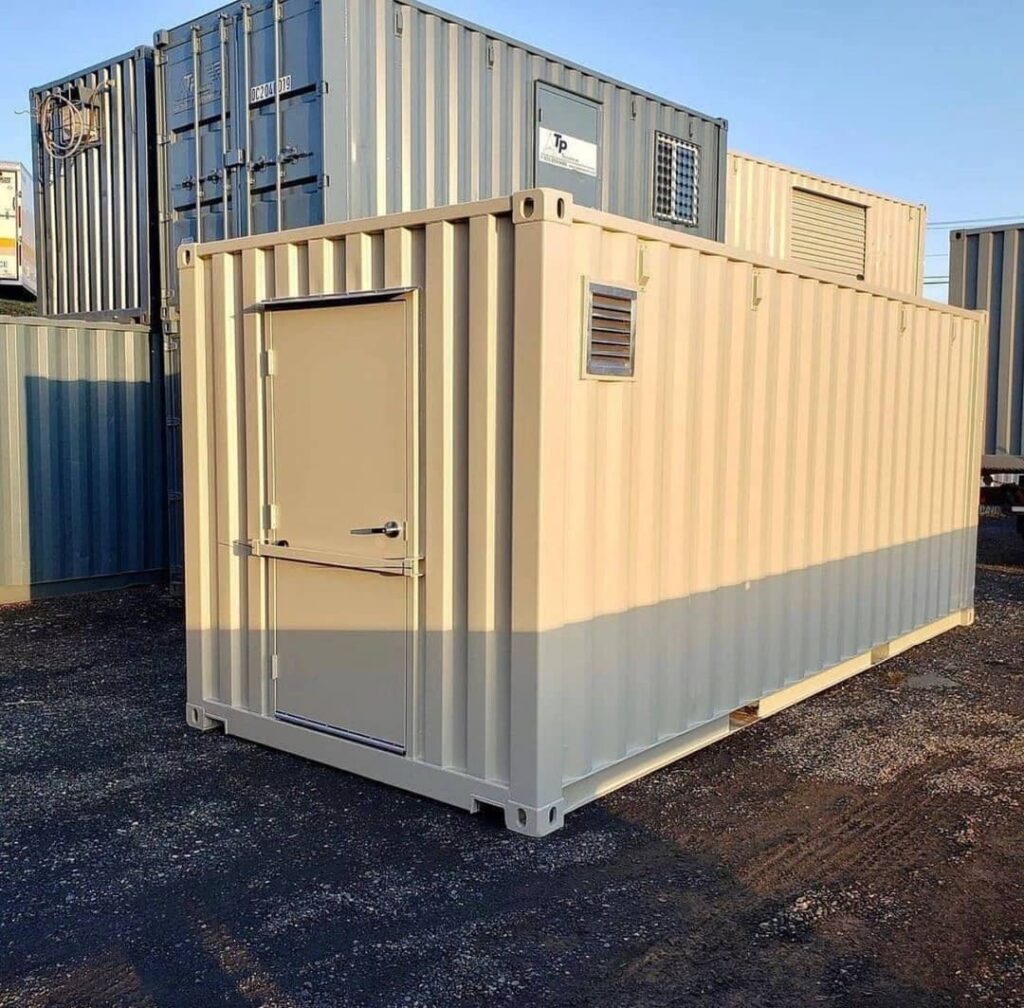
Container delivery and setup is a critical process that requires careful planning, professional expertise, and meticulous attention to detail. Whether you are a homeowner seeking additional storage space or a business requiring industrial-grade container solutions, understanding the intricacies of shipping container delivery services can significantly impact the success of your project. This comprehensive guide explores every aspect of container delivery and setup, providing you with the knowledge needed to ensure a smooth, efficient, and cost-effective experience.
Understanding Shipping Container Delivery Services
Shipping container delivery services encompass a wide range of logistical operations designed to transport, position, and install containers at designated sites. These services extend far beyond simple transportation, involving specialized equipment, experienced operators, and detailed site assessments to ensure proper placement and stability.
Professional container delivery services typically include preliminary site evaluations, route planning for oversized loads, coordination with local authorities for permits, and the actual transport and positioning of the container. The complexity of these operations underscores the importance of partnering with experienced professionals who understand the unique challenges associated with heavy duty container transport.
Modern shipping container delivery services have evolved to accommodate diverse client needs, from residential shipping container delivery for homeowners to complex industrial container placement for manufacturing facilities and construction sites. This versatility ensures that regardless of your specific requirements, professional transporters can deliver tailored solutions that meet your exact specifications.
How to Prepare for Shipping Container Delivery
Proper preparation is essential for a successful container delivery and setup. Understanding how to prepare for shipping container delivery can prevent delays, reduce costs, and ensure the safety of both personnel and property throughout the process.
Initial Site Assessment
Before scheduling your delivery, conduct a thorough assessment of the intended site. Measure the available space, ensuring adequate clearance for the delivery vehicle and crane operations. Consider the approach path, checking for obstacles such as low-hanging branches, utility lines, or narrow passages that could impede access.
The site should be easily accessible for the delivery truck, which is typically a flatbed vehicle or specialized container carrier. Measure all access points, including gates, driveways, and turn radii, to confirm that the vehicle can navigate safely. For residential shipping container delivery, pay particular attention to neighborhood restrictions and HOA guidelines that may affect delivery times or methods.
Obtaining Necessary Permits
Depending on your location and the container’s intended use, you may require permits from local authorities. Consult with your container delivery provider to determine which permits are necessary for your project. Professional container transport companies often assist clients in navigating permit requirements, ensuring compliance with local regulations.
Shipping Container Site Preparation
Shipping container site preparation is a fundamental step that directly impacts the long-term stability and functionality of your container. Proper site preparation prevents issues such as water accumulation, structural stress, and premature deterioration.
Ground Leveling and Grading
The foundation area must be level and properly graded to ensure adequate drainage and weight distribution. Remove any vegetation, rocks, or debris from the site, and fill any depressions with compacted gravel or crushed stone. For optimal results, the site should be graded slightly away from the container’s location to prevent water pooling beneath or around the unit.
Choosing the Right Foundation
Shipping container foundation requirements vary based on soil conditions, climate, and the container’s intended use. Common foundation options include concrete slabs, gravel pads, concrete piers, and steel framing systems. Each foundation type offers distinct advantages:
Concrete slab foundations provide excellent stability and are ideal for permanent installations. Gravel pads offer excellent drainage and are suitable for temporary or semi-permanent placements. Concrete piers allow for ventilation beneath the container, reducing moisture-related issues. Steel framing systems offer quick installation and reusability.
Consult with a structural engineer or container specialist to determine the most appropriate foundation for your specific site conditions and intended use.
Professional Container Transport: Equipment and Expertise
Professional container transport requires specialized equipment and highly trained personnel to handle heavy, oversized loads safely and efficiently. Understanding the equipment involved can help you appreciate the complexity of the delivery process.
Flatbed Container Delivery Services
Flatbed container delivery services utilize flatbed trailers designed to transport standard and high-cube containers over roads and highways. These trailers offer versatility in loading and unloading, making them ideal for sites with limited access. Flatbed delivery is particularly suitable for residential areas where tight turning radii and overhead clearance restrictions may preclude the use of larger transport vehicles.
Container Delivery Logistics
Container delivery logistics involve detailed planning of routes, scheduling, and coordination between multiple stakeholders. Professional logistics teams analyze traffic patterns, weather conditions, and road restrictions to optimize delivery timelines. They also coordinate with crane operators, site preparation crews, and clients to ensure everyone is prepared for the delivery arrival.
The Shipping Container Offloading Process
The shipping container offloading process is a critical phase requiring precision and expertise. This process involves safely removing the container from the transport vehicle and positioning it at the designated site.
Crane Operations
Most container deliveries utilize hydraulic cranes or specialized container handling equipment to lift and position containers. The crane operator must carefully coordinate with ground personnel to ensure safe and accurate placement. Communication during this phase is essential, typically conducted using hand signals or radio equipment.
Positioning and Leveling
Once the container is lowered onto the prepared foundation, operators must ensure it is perfectly level and properly aligned. Even minor deviations from level can cause door operation issues, structural stress, and water drainage problems. Professional installers use precision leveling equipment to achieve exact positioning.
Site Accessibility for Containers
Site accessibility for containers is a primary consideration during the planning phase. Inadequate site access can result in delivery failures, additional charges, or safety hazards.
Assessing Access Requirements
Standard shipping containers range from 20 to 40 feet in length, with widths of approximately 8 feet. The delivery vehicle requires clear passage equal to the container’s dimensions plus adequate margin for maneuvering. Height restrictions are particularly important, as overhead utility lines, tree branches, or building overhangs can prevent successful delivery.
For sites with limited accessibility, discuss alternative delivery methods with your transport provider. Options may include specialized equipment, manual positioning, or disassembly and reassembly of the container.
Ground Conditions
The ground at the delivery site must support the weight of the container, delivery vehicle, and crane equipment. Soft, muddy, or uneven terrain can compromise safety and cause vehicle bogging. If ground conditions are questionable, consider ground reinforcement solutions such as timber matting or gravel staging areas.
Residential Shipping Container Delivery Considerations
Residential shipping container delivery presents unique challenges and opportunities for homeowners. Whether converting a container into a backyard office, workshop, or additional storage, understanding residential-specific considerations ensures a successful project.
Neighborhood Coordination
Residential deliveries often require coordination with neighbors and homeowners associations. Consider scheduling delivery during reasonable hours and providing advance notice to adjacent property owners. Some residential communities have specific regulations governing delivery vehicles and construction activities.
Utility Location
Before delivery, locate and mark all underground utilities, including water lines, gas pipes, and electrical cables. Most jurisdictions require utility locators to be contacted several days before excavation or heavy equipment operations. This step prevents dangerous accidents and potential service disruptions.
Industrial Container Placement
Industrial container placement demands even greater precision and planning, as these installations often support critical business operations. Industrial applications may include warehousing, manufacturing support, office space, or material storage.
Structural Considerations
Industrial containers may require modifications such as electrical installations, HVAC systems, or custom openings. These modifications should be planned during the initial design phase to ensure proper structural integrity. Consult with licensed contractors experienced in container modifications for industrial applications.
Load-Bearing Requirements
Industrial applications often impose greater load-bearing requirements than residential uses. Floor systems may need reinforcement to support heavy equipment or inventory. Professional engineers can assess your specific requirements and recommend appropriate reinforcement solutions.
Heavy Duty Container Transport Solutions
Heavy duty container transport addresses the movement of specialized containers designed for industrial applications, including refrigerated units, hazardous materials containers, and oversized or modified configurations.
Specialized Equipment
Heavy duty transport may require specialized vehicles equipped with extra axles, reinforced suspension systems, or extended trailers. Professional transport companies maintain fleet assets suitable for various container types and weights, ensuring safe delivery regardless of container specifications.
Safety Protocols
Heavy duty transport operations follow stringent safety protocols to protect personnel, property, and the environment. These protocols include detailed route surveys, weight calculations, and compliance with transportation regulations governing oversized loads.
Container Delivery Preparation Guide
This container delivery preparation guide summarizes the essential steps for ensuring a successful delivery:
First, conduct a thorough site assessment, measuring all access points and identifying potential obstacles. Next, prepare the foundation according to professional recommendations, ensuring proper leveling and drainage. Then, obtain all necessary permits and approvals from local authorities. Additionally, clear the delivery path of any obstructions and ensure adequate ground stability. Finally, coordinate with your delivery provider to confirm scheduling, logistics, and any special requirements.
Shipping Container Installation Tips
These professional shipping container installation tips will help ensure your container performs optimally for years to come:
Proper anchoring is essential for stability, particularly in areas prone to high winds or seismic activity. Use manufacturer-recommended anchoring systems appropriate for your soil conditions and local building codes.
Ventilation prevents moisture buildup and condensation, which can lead to mold, rust, and commodity damage. Install proper ventilation systems or use dehumidification solutions in humid climates.
Insulation improves energy efficiency and occupant comfort. Choose insulation appropriate for your climate and intended use, whether spray foam, blanket, or panel insulation.
Sealing all entry points, including doors, windows, and any penetrations, prevents water intrusion and pest access. Regular inspection and maintenance of seals extends container life and protects contents.
Flatbed Delivery Services: The Preferred Choice
Flatbed container delivery services remain the preferred choice for many delivery scenarios due to their versatility and efficiency. Flatbed trailers offer straightforward loading and unloading, reducing handling time and potential for damage. These services are particularly valuable for sites with restricted access or unusual delivery requirements.
Professional flatbed delivery services include comprehensive support, from initial consultation through final placement. Experienced drivers navigate challenging routes, while crane operators position containers with precision and care.
Conclusion: Partnering with Container Delivery Professionals
Successful container delivery and setup requires careful planning, professional execution, and attention to detail at every stage. By understanding the complexities involved and partnering with experienced professionals, you can ensure your container installation meets all functional, safety, and regulatory requirements.
Whether you need residential shipping container delivery for personal storage or industrial container placement for business operations, the right delivery partner makes all the difference. Professional container transport companies bring expertise, specialized equipment, and commitment to safety that protects your investment and ensures long-term satisfaction.
Contact the experienced team at AVE Storage Container LLC to discuss your container delivery and setup requirements. Our professionals will guide you through every step of the process, from initial consultation through final installation, ensuring a seamless experience from start to finish. Trust the experts who understand container delivery logistics and deliver results that exceed expectations.
