Shipping Container Placement: Choosing the Right Location on Your Property
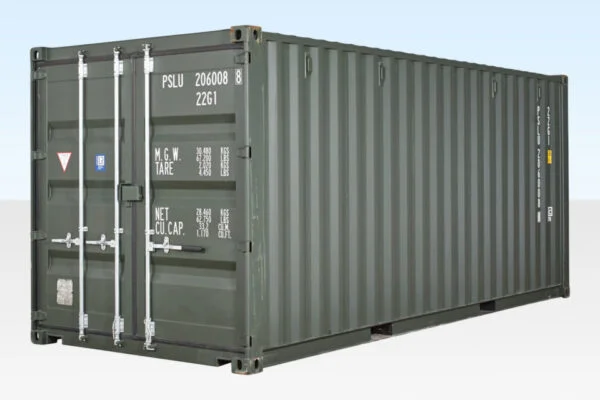
When you decide to shipping container placement is one of the most critical steps in ensuring your investment serves you well for years to come. Whether you are planning to purchase a shipping container for personal storage, establish a functional shipping container site office, or build out a creative multi-use structure, proper planning prevents costly mistakes. Many property owners ask us, “can i put a shipping container on my property?” or “can you place a shipping container on my property?” The short answer is yes, absolutely—provided you navigate local zoning laws and prepare your land correctly.
At Ave Storage Container LLC, we help customers everyday figure out how to position the container in a suitable location. From assessing ground stability and proper drainage to evaluating accessibility, security, and proximity to existing buildings, this comprehensive guide will walk you through everything you need to know about storage container placement.
1. Why Proper Shipping Container Placement Matters
Proper shipping container placement is more than just dropping a massive steel box on your grass and calling it a day. The location you select dictates how easily you can access your belongings, how long the steel structure will resist environmental wear and tear, and whether your setup complies with local municipal codes. When you properly position the container in a suitable location, you protect your investment from moisture pooling, ground sinking, and unnecessary security vulnerabilities. Whether you are using it as a standalone storage unit or converting it into a shipping container office and storage hybrid, taking the time to plan your site layout pays massive dividends down the road.
2. Evaluating Ground Stability for Your Container
One of the foundational steps of successful shipping container placement is assessing ground stability. Shipping containers are built to bear heavy loads when stacked on corner posts, but if the ground beneath them shifts, the entire frame can twist. A twisted frame makes doors difficult to open and close. Before you purchase a shipping container, inspect your soil composition. Clay soils expand and contract with moisture, while sandy soils can wash away. Opt for a compacted gravel pad, concrete slab, or heavy-duty railway ties to distribute the weight evenly and prevent sinking.
3. The Importance of Proper Drainage in Container Location
When determining where to place a storage container, drainage should be at the absolute top of your checklist. Standing water is the ultimate enemy of Cor-Ten steel. If you choose a low-lying area where rainwater pools, the bottom rails of your container will sit in perpetual moisture, accelerating rust and structural degradation. Ensure your chosen shipping container location slopes gently away from the unit. Installing French drains, grading the soil, or elevating the container on concrete piers or blocks will keep water flowing freely away from your valuable assets.
4. Accessibility: Ensuring Easy Entry and Exit
You might find a quiet, hidden corner on your property for storage container placement, but if you cannot easily drive up to it, its utility plummets. Think about how you plan to use the unit. Will you be walking up with boxes, or will you need a forklift, truck, or delivery van to pull right up to the doors? When evaluating shipping container positioning, ensure there is a clear, unobstructed path. Remember that a standard delivery truck requires substantial clearance length and width to safely unload your unit. For seamless logistics, review our guide on shipping container delivery to prepare your driveway and access paths.
5. Security Considerations for Your Storage Unit
Security is a major factor when deciding how to place a shipping container. While steel containers are inherently secure, your site location can either deter or invite unwanted attention. Placing your unit in clear view of your main house or business office—while still maintaining privacy—acts as a natural deterrent to trespassers. Furthermore, consider installing heavy-duty lock boxes, motion-activated security lighting, and security cameras around your shipping container location to ensure complete peace of mind.
6. Proximity to Buildings and Main Structures
How close should your container be to your home, barn, or commercial workspace? Shipping container placement near existing structures offers incredible convenience, especially if you are using it for overflow inventory or seasonal gear. However, you must balance convenience with local fire codes and setback regulations. Many municipalities require a specific distance between temporary or permanent outdoor structures and property lines or primary buildings. Always check with your local zoning office before finalizing your layout.
7. Factoring in Future Access and Property Expansion
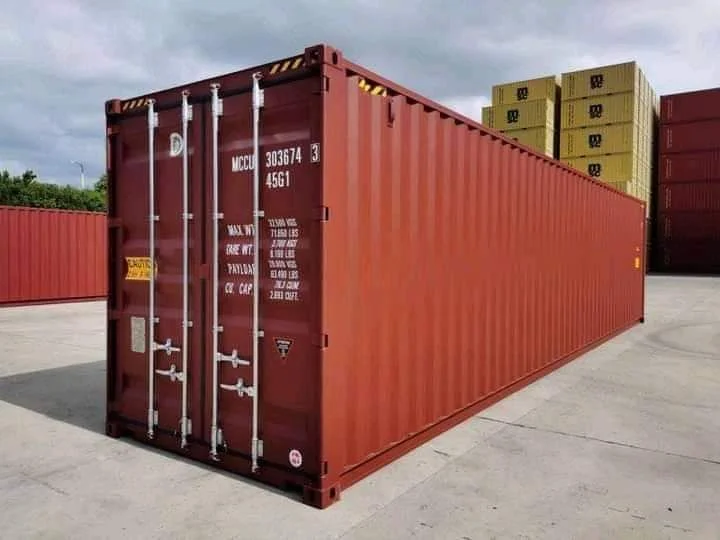
When planning your shipping container placement, think long-term. Is your property expanding? Will you need to add a second container beside it later? Are you planning to landscape, build a fence, or construct a driveway in the near future? Choosing a strategic shipping container location prevents you from having to move a shipping container later on, which can be an expensive and logistically challenging endeavor once the unit is loaded with heavy items.
8. Navigating Local Zoning Laws and Permits
Before you worry about how to place a shipping container, you need to make sure you are legally allowed to have one in your specific zone. Property owners frequently ask, “can i put a shipping container on my property?” The answer depends entirely on local ordinances. Some residential areas classify storage containers as temporary structures requiring no permits, while others require full architectural review, especially if you are planning to build a shipping container shopping center or a commercial shipping container site office. Always consult local authorities regarding zoning and placement restrictions.
9. Creating a Functional Shipping Container Site Office
More businesses are utilizing containers as functional workspaces. If you are setting up a shipping container site office, your shipping container placement needs to prioritize workflow, access to utilities, and employee comfort. Unlike standard storage yards, an office requires proximity to electrical grids, high-speed internet lines, and comfortable pedestrian pathways. Positioning your office container in a well-lit, easily accessible, and professional-looking area of your job site or commercial property enhances productivity and client impressions.
10. Climate, Sunlight, and Ventilation Factors
The inside of a shipping container can experience dramatic temperature fluctuations if left exposed to the blazing sun all day. When planning your shipping container placement, take note of natural shade and prevailing winds. Placing your unit under large trees can keep it cooler, but beware of falling branches and excessive leaf debris that can trap moisture on the roof. Proper shipping container vent placement is vital to prevent condensation buildup (often called “container rain”). Make sure your vents are positioned to capture cross-breezes and keep interior air circulating.
11. Preparing the Foundation: Gravel, Concrete, or Piers?
The longevity of your container heavily relies on its foundation. Successful shipping container placement requires a solid, level base. You generally have three main options:
- Concrete Slab: Provides the ultimate level surface and maximum weight distribution, ideal for permanent commercial setups.
- Gravel Pad: Cost-effective, excellent for drainage, and prevents mud buildup around the base.
- Corner Piers / Railroad Ties: Elevates the container entirely off the ground, maximizing airflow underneath and preventing rust. Whichever method you choose, keeping the unit level is paramount for structural integrity and smooth door operation.
12. Managing Logistics: Moving and Positioning Your Unit
Once your site is prepped, the actual delivery and moving a shipping container process begins. Tilt-bed trucks are commonly used to slide the unit off the back of the trailer onto your prepared pad. During this phase, overhead clearance is just as critical as ground space. Look out for low-hanging power lines, tree branches, and tight corners. For expert tips on how to prepare your property for the transport vehicle, consult our detailed resources on shipping container delivery.
13. Modifying Your Container: Doors, Panels, and Parts
Sometimes, optimal shipping container placement is dictated by the modifications you plan to make. If you are installing custom windows, extra personnel doors, or rolling garage doors, you need to consider which side of the container faces outward. Furthermore, over years of use, you may need maintenance components like shipping container replacement doors, shipping container replacement panels, or other shipping container replacement parts to keep your unit weather-tight. Planning your orientation ensures that maintenance access remains straightforward.
14. Utilizing Container Vent Placement for Climate Control
Proper ventilation is a non-negotiable aspect of storage container placement. Without adequate airflow, temperature swings cause interior moisture to condense on the steel ceiling and drip onto your stored goods. When evaluating your shipping container location, pay close attention to shipping container vent placement. Strategic placement of louvered vents or turbine ventilators ensures continuous air exchange, protecting everything from musical instruments to archived paperwork from mold and mildew.
15. Integrating Containers into Commercial Hubs and Shopping Centers
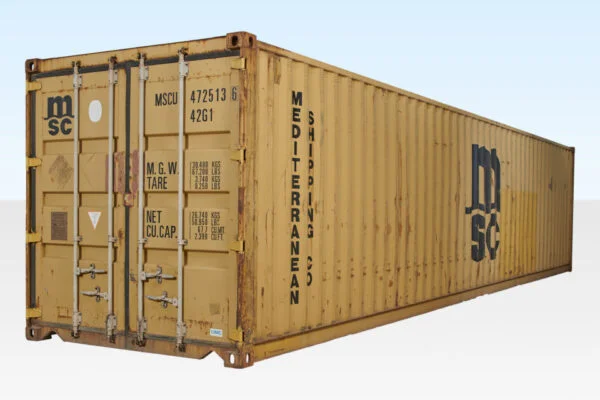
The versatility of steel boxes extends far beyond simple storage. Entrepreneurs launching a shipping container shopping center or designing modular retail spaces must approach shipping container placement with architectural precision. In commercial settings, container arrangement impacts customer foot traffic, aesthetic appeal, brand visibility, and compliance with the Americans with Disabilities Act (ADA). Every single unit must be meticulously aligned to create a cohesive, inviting, and safe public environment.
Frequently Asked Questions (FAQs)
1. Where to place a storage container on my residential property?
The best storage container placement on residential property is a level, well-drained area that is easily accessible by vehicle, yet discreetly positioned so it does not disrupt your neighborhood aesthetics or violate local property setback rules.
2. Can I put a shipping container on my property without a permit?
Whether can i put a shipping container on my property without a permit depends entirely on your local municipality’s zoning laws. Some rural areas have zero restrictions, while suburban and urban zones require temporary or permanent structure permits.
3. How do I prepare the ground for shipping container placement?
Proper shipping container placement requires clearing vegetation, leveling the earth, and laying a supportive base such as a crushed gravel pad, poured concrete slab, or heavy-duty concrete piers to prevent shifting and moisture accumulation.
4. Why is ground drainage important for shipping container location?
Good drainage at your shipping container location prevents water from pooling around the bottom rails. Standing water accelerates rust and corrosion, significantly shortening the lifespan of your steel storage container.
5. Can you place a shipping container on my property if the ground is sloping?
While shipping container placement on a slope is possible, it requires professional grading or the use of adjustable piers to ensure the container remains perfectly level, preventing door jams and structural stress.
6. What clearance does a delivery truck need for shipping container positioning?
During shipping container positioning, delivery trucks typically require about 60 to 100 feet of straight clearance in front of the drop zone (depending on container length) and at least 14 to 16 feet of vertical clearance, free of wires and trees.
7. How does shipping container vent placement prevent interior moisture?
Correct shipping container vent placement allows for continuous cross-ventilation. This airflow equalizes interior and exterior temperatures, preventing condensation (container rain) from damaging the inside of a shipping container.
8. What are the best security measures for storage container placement?
To maximize security during storage container placement, choose a location visible from your main building, install a heavy-duty lock box, use high-security disc locks, and consider setting up motion-sensor lighting and security cameras.
9. Do I need to worry about proximity to buildings when choosing a container location?
Yes. When planning shipping container placement, check local fire codes and property lines. Many jurisdictions mandate a minimum distance between outdoor storage units and primary residential or commercial structures.
10. Can I easily move a shipping container after initial placement?
Moving a shipping container after it has been placed and loaded is difficult and costly. It requires heavy machinery, a professional tilt-bed tow truck or crane, and usually demands that the unit be completely emptied beforehand.
11. What maintenance parts should I keep in mind during container placement?
When planning your shipping container placement, ensure you have enough clearance around all sides to inspect and replace components like shipping container replacement doors, shipping container replacement panels, or specialized shipping container replacement parts if wear and tear occurs over time.
12. How do I set up a shipping container site office on my property?
Setting up a shipping container site office involves choosing an accessible, high-visibility shipping container location near utility hookups (electricity and internet), ensuring proper insulation, and meeting local commercial building codes.
13. Are shipping containers suitable for a shipping container shopping center?
Absolutely. Modern commercial architecture frequently utilizes multiple units to create a vibrant shipping container shopping center. This requires precise engineering, multi-unit alignment, and strict adherence to commercial zoning and accessibility standards.
14. How can I ensure my shipping container placement complies with local laws?
Always contact your local city planning or zoning department before finalizing your shipping container location. Ask specifically about temporary structure rules, HOA covenants, agricultural exemptions, and property setbacks.
15. Where can I find professional help for shipping container delivery and placement?
For expert advice, seamless logistics, and reliable drop-off services, visit our comprehensive guide on shipping container delivery to ensure your site is fully prepared for your new unit.
Conclusion
Mastering shipping container placement is the single most important step in protecting your investment, ensuring daily convenience, and maintaining compliance with local regulations. By carefully evaluating ground stability, implementing proper drainage, guaranteeing vehicle accessibility, and respecting local zoning laws, you ensure your steel structure remains a reliable asset for decades. Whether you are expanding your business with a shipping container site office, setting up secure inventory storage, or embarking on a custom modular build, thoughtful planning makes all the difference. Ready to get started? Explore our premium inventory and learn more about shipping container delivery today to find the perfect solution for your property!