 Skip to content
20 ft Storage Container Standard Height One Trip Side Doors

The Ultimate Solution for Efficient Industrial Storage and Logistics
20 ft storage container standard height one trip side doors represent the pinnacle of modern portable storage solutions, combining superior construction quality with innovative access design to meet the demanding requirements of contemporary industrial, commercial, and residential storage applications. These intermodal container side doors offer unparalleled versatility and accessibility, making them the preferred choice for businesses and individuals seeking secure, durable, and convenient storage options. Whether you operate a manufacturing facility requiring easy equipment access, manage a construction site needing organized material storage, or operate a retail business demanding efficient inventory management, these one trip side door containers deliver exceptional performance across virtually every application scenario.
The shipping container industry has evolved significantly over the past decades, with manufacturers increasingly recognizing the critical importance of side access capabilities in maximizing operational efficiency. Traditional end-door containers, while suitable for many applications, often present significant challenges when frequent access to items located at the rear of the container is required. This limitation has driven substantial growth in demand for side loading shipping containers, particularly the 20-foot standard height models that offer an optimal balance between capacity, maneuverability, and accessibility. Our comprehensive product line ensures that customers can access precisely the container configuration that best suits their specific operational requirements, backed by our commitment to quality, competitive pricing, and exceptional customer service.

Understanding the Advantages of Side Access Container Design
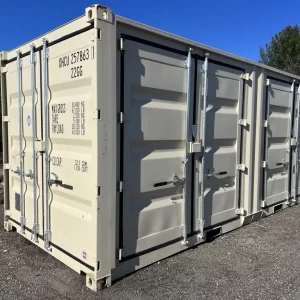
The strategic implementation of side doors on storage containers fundamentally transforms how organizations approach their storage and logistics challenges. Unlike conventional containers that restrict access to one or both end openings, these custom side opening containers enable personnel to traverse the entire length of the container’s interior without navigating through potentially obstructed end spaces. This design philosophy proves particularly valuable in applications where inventory rotation, selective item retrieval, or frequent partial unloading occurs regularly. The ability to access contents from the side eliminates the necessity of emptying front items to reach materials positioned at the rear, dramatically reducing labor requirements and time expenditures associated with container utilization.
Beyond mere accessibility, the side door configuration contributes substantially to workplace safety outcomes in industrial environments. When workers can enter and exit the container through side openings, the risk of accidents associated with climbing over stacked materials or navigating through confined end spaces diminishes significantly. This safety enhancement proves particularly relevant in sectors with stringent occupational health and safety compliance requirements, including manufacturing, construction, and warehousing operations. Organizations investing in side loading shipping containers frequently discover measurable returns through reduced workplace injury incidents, lower workers’ compensation claims, and improved compliance verification outcomes during regulatory inspections.
The structural integrity of these one trip side door containers remains uncompromised by the inclusion of additional access points. Manufacturers employ advanced welding techniques and reinforced framing around door openings to maintain the structural specifications that make shipping containers renowned for their durability and load-bearing capabilities. The door mechanisms themselves undergo rigorous testing to ensure reliable operation under demanding conditions, including exposure to extreme weather, repeated cycling, and heavy usage patterns. This engineering excellence guarantees that customers receive containers capable of performing reliably throughout extended service lives, even when subjected to challenging operational environments.
Technical Specifications and Manufacturing Standards
Understanding the precise technical specifications of 20 ft storage container standard height one trip side doors enables customers to make informed purchasing decisions aligned with their specific application requirements. These containers conform to International Organization for Standardization (ISO) specifications, ensuring compatibility with global intermodal transportation networks and consistent quality standards regardless of manufacturing origin. The standard height configuration provides internal dimensions that accommodate diverse cargo types while maintaining the external profile necessary for efficient transportation and handling.
The external dimensions of a standard 20-foot container measure approximately 20 feet in length, 8 feet in width, and 8 feet 6 inches in height. These standardized measurements ensure compatibility with container ships, rail cars, truck trailers, and port handling equipment worldwide. The external length of 20 feet (6.058 meters) provides substantial storage capacity while maintaining the maneuverability necessary for delivery to sites with limited access or restricted roadway configurations. The 8-foot width (2.438 meters) enables comfortable interior navigation and accommodation of palletized goods arranged in standard configurations, while the 8-foot 6-inch height (2.591 meters) offers comfortable standing room for most adults during loading and unloading activities.
Interior specifications differ slightly from external measurements due to the thickness of the container’s steel walls and structural framing. The interior length measures approximately 19 feet 4 inches (5.898 meters), providing substantial usable space for storage operations. The interior width reaches approximately 7 feet 8 inches (2.352 meters), while the interior height typically provides around 7 feet 10 inches (2.393 meters) of clear space. These interior dimensions, while slightly reduced from external specifications, still offer generous capacity for diverse storage applications and exceed the capabilities of many alternative storage structures.
The weight specifications of these containers reflect their robust steel construction and structural integrity. An empty 20-foot standard height container typically weighs between 4,800 and 5,000 pounds (2,177 to 2,267 kilograms), depending on specific manufacturer specifications and door configuration additions. This empty weight, often termed “tare weight,” represents the container’s structural mass without cargo. The maximum gross weight capacity, indicating the total weight the container can safely support including its own tare weight, typically ranges from 48,000 to 67,200 pounds (21,772 to 30,481 kilograms), depending on intended use context and regional weight regulations. These weight capacities far exceed the requirements of most stationary storage applications while ensuring structural integrity during transportation and handling.
Quality Standards: The One Trip Container Advantage
The designation “one trip” holds significant implications for customers evaluating container purchases, representing a quality tier that offers substantial advantages over used or refurbished alternatives. A one trip side door container has completed only a single journey from the manufacturer to its initial delivery destination, typically from Asian manufacturing facilities to North American or European ports. This limited usage history means the container has experienced minimal wear, with virtually all structural components, protective coatings, and operational mechanisms remaining in new condition. The one trip classification represents the highest quality tier available in the shipping container marketplace, ensuring customers receive products performing equivalently to new manufacturing while often available at more accessible price points.
The condition of one trip containers extends beyond superficial appearances to encompass structural integrity, weather resistance, and operational functionality. These containers maintain their original protective coatings, which have not been subjected to the repeated loading cycles, environmental exposure, and handling stresses that gradually degrade container surfaces over extended usage periods. The floor structures remain fully intact, without the deterioration that commonly affects used containers through repeated forklift traffic, moisture exposure, and general cargo handling. Door mechanisms operate smoothly and seal effectively, ensuring the security and weather resistance that make containers suitable for demanding storage applications.
Structural inspections of one trip containers consistently reveal superior condition compared to alternatives that have completed multiple voyages or extended storage assignments. The absence of cargo-related damage, including dents, punctures, or structural deformations, ensures these containers meet the exacting specifications required for intermodal transportation and demanding storage applications. This structural integrity translates directly to longevity and reliability in stationary storage uses, where containers may remain stationary for years or decades while continuing to protect valuable contents from environmental elements and unauthorized access.
The aesthetic presentation of one trip containers also exceeds alternatives, presenting clean surfaces appropriate for visible installation in customer-facing locations or residential applications where appearance considerations factor into purchasing decisions. The original manufacturer colors, typically including standard industrial hues such as rust-resistant primer, marine-grade coatings, or customized finishes, remain intact without the fading, chalking, or discoloration that affects used containers. This aesthetic advantage proves particularly relevant for customers seeking storage solutions for retail environments, event venues, or residential properties where storage structures contribute to overall visual impressions.
Applications Across Diverse Industries
The versatility of 20 ft storage container standard height one trip side doors enables effective deployment across an extensive range of industry applications and use cases. Manufacturing facilities represent one of the largest consumer segments for these products, utilizing containers for secure storage of raw materials, work-in-progress inventory, and finished goods. The side access capability proves particularly valuable in manufacturing contexts where production schedules require frequent retrieval of specific materials while maintaining efficient operations. Workers can quickly locate and access needed items without the extensive searching and unloading procedures associated with end-door containers, directly improving productivity and reducing labor costs.
Construction industry applications encompass both temporary and permanent storage configurations at project sites. Construction companies frequently deploy portable storage solutions to secure tools, equipment, materials, and documentation at active project locations. The weather-resistant construction protects valuable construction materials from rain, snow, and temperature extremes that could compromise product quality or create safety hazards. Side loading capabilities prove essential when construction sites require organized storage systems enabling quick access to specific materials without disrupting ongoing construction activities. These containers also serve effectively as on-site offices, break rooms, or security stations when equipped with appropriate modifications.
Retail and distribution operations benefit substantially from side access container implementations, particularly those handling high-volume inventory turnover or requiring efficient rotation of stocked goods. Distribution centers utilize these containers to establish modular storage capacity that can expand or contract based on seasonal demand variations. The accessibility features enable efficient picking operations where workers retrieve specific items from throughout the container’s interior without requiring complete unloading. Retail establishments increasingly incorporate these containers into their facility designs, utilizing them as secure storage buildings, outdoor display areas, or seasonal merchandise facilities.
Agricultural applications represent another significant market segment for side door storage containers. Farms and agricultural operations require secure storage for equipment, supplies, harvested crops, and materials used in agricultural production. The weather-resistant construction protects agricultural inputs such as seeds, fertilizers, and chemicals from environmental degradation while preventing unauthorized access to valuable equipment. The side access design accommodates the storage of longer items such as fencing materials, piping, or agricultural equipment that would prove difficult to store and retrieve from end-door configurations.
Event management and hospitality industries utilize these containers for diverse applications including equipment storage, temporary facilities, and mobile retail installations. The robust construction supports outdoor deployment in various weather conditions while maintaining interior environments suitable for sensitive equipment or supplies. Event production companies particularly value the mobility of these containers, enabling transportation to different venues while maintaining organized storage systems that facilitate efficient setup and breakdown operations.
Security Features and Theft Prevention
Modern storage container designs incorporate comprehensive security features that address the substantial risk of theft and unauthorized access facing industrial and commercial storage operations. The corrugated steel construction provides inherent resistance to casual intrusion attempts, requiring specialized equipment and significant time investments to compromise container integrity. This structural strength, combined with appropriate locking mechanisms, creates deterrent effects that redirect criminal activity toward less challenging targets while providing notification of attempted breaches through visible evidence of tampering.
The door mechanisms employed in these one trip side door containers incorporate heavy-duty locking bars and compression systems that secure doors tightly against the container frame. These locking arrangements distribute clamping force along the door perimeter, ensuring effective sealing while preventing the leverage-based attacks that could compromise less robust designs. The steel doors themselves resist forced entry attempts that might succeed against alternative storage structures, including wooden sheds, vinyl storage buildings, or fabric-covered temporary structures. This inherent security advantage translates directly to reduced insurance premiums for many policyholders, offsetting a portion of container acquisition costs through ongoing operational savings.
Optional security enhancements further strengthen protection for high-value storage applications. High-security padlocks with hardened steel shackles resist cutting and drilling attacks, while lock boxes protect padlock mechanisms from bolt cutter access and impact tools. Electronic security systems, including alarm panels, motion sensors, and remote monitoring capabilities, provide notification of unauthorized access attempts while documenting events for law enforcement response and insurance documentation. These security investments prove particularly valuable when containers store expensive equipment, valuable inventory, or sensitive materials requiring regulatory compliance with specific protection standards.
The stationary deployment of storage containers inherently improves security outcomes compared to alternative storage approaches. Unlike portable storage trailers or temporary structures that may be towed away with their contents, stationary containers require substantial equipment and time investments to relocate. This immobility provides inherent theft deterrence while ensuring that containers remain positioned where deployed, eliminating losses associated with unauthorized trailer removal. Many customers further enhance security through site measures including fencing, lighting, and surveillance systems that complement container security features to create comprehensive protection architectures.
Weather Resistance and Environmental Protection
The marine-grade construction of shipping containers delivers exceptional weather resistance that proves invaluable in demanding storage applications. These containers originated from international shipping applications where they must protect cargo during ocean voyages, where exposure to saltwater spray, extreme temperature variations, and severe weather conditions represents routine operational challenges. This demanding heritage ensures that containers deployed in stationary storage applications provide substantial environmental protection capabilities far exceeding alternative storage structures.
The steel construction employed in these containers resists corrosion and deterioration through specialized protective coatings applied during manufacturing. The exterior surfaces receive factory-applied marine-grade paints that resist salt spray, ultraviolet radiation, and atmospheric pollutants that degrade lesser finishes. The floor structures incorporate marine-grade plywood that resists moisture absorption and biological degradation, maintaining structural integrity even when exposed to wet conditions or high humidity environments. This construction quality ensures reliable performance throughout extended service lives, reducing maintenance requirements and replacement costs associated with alternative storage solutions.
Thermal performance characteristics of steel containers require consideration in certain deployment contexts. Steel conducts heat and cold more readily than alternative construction materials, potentially creating interior temperature variations in extreme climate conditions. However, these thermal characteristics also enable effective climate control through active heating and cooling systems when required for temperature-sensitive storage applications. Many customers achieve satisfactory interior environments through passive ventilation systems, insulation installations, or strategic placement that considers sun exposure and airflow patterns.
Weather sealing capabilities ensure that interior contents remain protected from water intrusion, even during severe weather events. The door compression systems create effective seals around door perimeters when properly closed, preventing water penetration through the primary access points. Container roofs employ corrugated designs that promote water shedding while resisting pooling that could lead to leakage over extended exposure periods. These sealing capabilities prove particularly valuable in geographic regions experiencing heavy precipitation, where alternative storage structures may experience water damage during intense storm events.
Customization Options and Modifications
The standardization of shipping container designs enables extensive customization options that address specific application requirements. While the base configurations provide substantial functionality for many storage applications, customers frequently require modifications that align container capabilities with specific operational needs. These modifications, performed by qualified container modification specialists, transform standard containers into specialized facilities tailored to precise customer requirements.
Electrical system installations enable powered operations within container interiors, supporting lighting, climate control, security systems, and equipment operation. Professional electrical modifications include proper wiring, circuit protection, and outlet installations that comply with applicable electrical codes while providing safe, reliable power distribution throughout the container interior. Customers operating containers as offices, workshops, or facilities requiring powered equipment frequently request these electrical modifications as part of their container procurement arrangements.
Climate control modifications address temperature management requirements in containers deployed in extreme climate contexts or storing temperature-sensitive materials. HVAC installations provide heating and cooling capabilities that maintain interior temperatures within specified ranges regardless of exterior conditions. These climate control systems range from simple ventilation fans and portable air conditioners to comprehensive central heating and cooling systems integrated with container electrical infrastructure. The specific climate control requirements depend on deployment location, intended contents, and budget considerations.
Interior modifications optimize container interiors for specific storage applications. Pallet rack installations create organized storage systems that maximize interior capacity while enabling efficient inventory management. Workbench installations support operational activities when containers serve as on-site workshops or maintenance facilities. Partition walls create separate interior zones for different storage functions or security classifications. These interior modifications transform generic containers into specialized facilities that precisely match operational requirements.
Window and door modifications address access requirements beyond the standard side door configurations. Additional door openings, including walk doors, roll-up doors, or custom configurations, provide alternative access points that suit specific operational requirements. Windows enable interior lighting and visibility while maintaining security through appropriate glazing and framing selections. These modifications require careful engineering to maintain structural integrity while providing requested access features.
Pricing Considerations and Value Analysis
Understanding the pricing structure for 20 ft storage container standard height one trip side doors enables customers to evaluate value propositions across different suppliers and configuration options. Base pricing for one trip containers varies based on current market conditions, transportation costs, and supplier margins. Several factors influence final pricing including geographic location, specific configuration requirements, delivery distance, and any requested modifications.
Market pricing for one trip containers fluctuates based on global supply and demand dynamics affecting the shipping container industry. Container availability correlates with international trade volumes, as containers become available when shipping demand declines and containers return to depot locations following completed voyages. Regional availability variations affect pricing, with some geographic areas experiencing tighter supply and higher prices than others. Monitoring market conditions and engaging with multiple suppliers enables customers to identify competitive pricing opportunities.
Delivery costs represent a significant component of total acquisition costs, particularly for customers located distant from container depot locations. Specialized equipment including container trucks, trailers, and cranes safely transport containers to deployment sites. Delivery pricing depends on distance, site accessibility, and any specialized handling requirements. Some suppliers include delivery within their pricing structures while others charge separately, requiring careful comparison of total cost structures when evaluating supplier options.
Modification costs vary substantially based on the specific modifications requested and the providers performing the work. Basic modifications such as shelving or lighting installations represent modest investments compared to comprehensive modifications including electrical systems, HVAC installations, or structural modifications. Customers should obtain detailed quotations for requested modifications while considering the qualifications and reputation of modification providers to ensure quality installations that deliver reliable performance throughout expected service lives.
The total cost of ownership analysis provides the most accurate comparison between container storage and alternative storage approaches. Container storage offers substantial advantages including portability, durability, and security that may justify higher initial investments compared to alternative storage structures. The one trip container quality tier offers optimal balance between acquisition cost and remaining service life, providing years or decades of reliable service without the maintenance requirements and replacement timelines associated with alternative storage solutions.
Maintenance Requirements and Longevity Expectations
The durable construction of shipping containers translates to minimal maintenance requirements and exceptional longevity in storage applications. Unlike alternative storage structures that may require regular maintenance, repair, or replacement, properly deployed containers continue performing reliably throughout extended service lives with routine maintenance activities. Understanding these maintenance requirements enables customers to plan appropriately while maximizing return on container investments.
Exterior maintenance focuses on preserving protective coatings that resist corrosion and environmental degradation. Periodic cleaning removes accumulated dirt, debris, and biological growth that could compromise coating integrity over time. Inspection of coating conditions identifies areas requiring touch-up painting or rust treatment before deterioration progresses. The application of marine-grade coatings, available from automotive and marine supply sources, enables effective repairs that restore protective capabilities. These exterior maintenance activities, typically required only annually or following significant weather events, require minimal time investments while substantially extending container service lives.
Door mechanism maintenance ensures continued reliable operation throughout container service lives. Periodic lubrication of hinge mechanisms, locking bars, and compression systems maintains smooth operation while reducing wear on moving components. Inspection of door seals identifies compression loss or material degradation that could compromise weather resistance. Adjustment of door mechanisms addresses any misalignment that develops through normal usage. These maintenance activities, typically requiring only occasional attention, ensure continued effective operation of container access systems.
Interior maintenance requirements depend on intended use and stored contents. Containers storing general merchandise or equipment require minimal interior maintenance beyond periodic cleaning and inspection. Containers storing moisture-sensitive materials may require humidity management through ventilation or dehumidification. Floor maintenance preserves the structural integrity of marine-grade plywood flooring through prompt attention to spills and regular cleaning. These interior maintenance activities, tailored to specific storage applications, ensure continued appropriate interior environments throughout container service lives.
The expected service life of properly maintained containers substantially exceeds alternative storage structures. One trip containers, maintained according to manufacturer recommendations, routinely provide 20 to 30 years of reliable service in stationary storage applications. Some containers have remained in active service for 40 years or longer with appropriate maintenance and repair. This exceptional longevity, combined with minimal maintenance requirements, delivers outstanding return on container investments while avoiding the replacement cycles associated with alternative storage solutions.

Purchasing Process and Delivery Logistics
The process of acquiring 20 ft storage container standard height one trip side doors involves several steps that ensure appropriate container selection and successful deployment. Understanding this process enables customers to navigate procurement efficiently while avoiding common pitfalls that could delay projects or result in suboptimal container selections. Professional suppliers guide customers through each process step, ensuring satisfactory outcomes that meet application requirements.
Initial consultation with suppliers establishes container requirements and identifies appropriate configuration options. This consultation addresses application requirements, deployment conditions, customization needs, and budget considerations. Suppliers leverage their industry experience to recommend configurations that suit specific requirements while avoiding over-specification that increases costs without proportionate benefits. This consultation phase ensures that subsequent container selections align with actual requirements.
Container selection involves evaluation of available inventory against established requirements. Suppliers maintain diverse inventory including various configurations, conditions, and modification states. Container selection considers condition specifications, modification status, and physical characteristics that affect suitability for specific applications. Customers typically inspect containers personally or rely on supplier representations when visiting isn’t feasible. Thorough container selection ensures that acquired containers meet application requirements without unexpected deficiencies upon delivery.
Payment and documentation processes complete the acquisition transaction. Standard payment arrangements include full payment prior to delivery, deposits with balance due upon delivery, or financing arrangements for qualified purchasers. Documentation includes title transfers, bill of sale, and any warranty documentation. These documentation requirements vary by jurisdiction and supplier policies. Professional suppliers maintain clear documentation practices that protect purchaser interests while complying with applicable regulations.
Delivery logistics coordinate container transportation from supplier locations to deployment sites. Delivery scheduling considers supplier availability, transportation equipment requirements, and site access conditions. Customers ensure that deployment sites prepared for container arrival, including appropriate foundation preparations, clearance for transportation equipment, and personnel to receive containers. Professional delivery services include site assessment, equipment selection, and experienced operators who safely position containers according to customer directions.
Conclusion: Strategic Investment in Storage Solutions
Investing in 20 ft storage container standard height one trip side doors represents a strategic decision that delivers substantial returns across diverse storage applications. The combination of side access capabilities, one trip condition quality, and standardized specifications creates a storage solution that outperforms alternative approaches while maintaining accessibility and affordability. Organizations across industries continue discovering the advantages of container storage, driving sustained demand growth for these versatile products.
The selection of one trip containers ensures maximum return on investment through superior condition and extended service life. The minimal usage history of these containers guarantees that structural integrity, protective coatings, and operational mechanisms remain in excellent condition. This quality tier delivers the performance expectations that justify container storage investments while avoiding the maintenance requirements and service limitations associated with used alternatives.
Professional suppliers provide essential support throughout the container procurement process, ensuring appropriate container selection, competitive pricing, and reliable delivery. The expertise developed through extensive container market participation enables these suppliers to identify appropriate containers efficiently while navigating the complexities of transportation logistics and customization requirements. Engaging qualified suppliers protects customer interests while ensuring successful outcomes that meet application requirements.
The future outlook for container storage remains exceptionally positive as organizations increasingly recognize the strategic advantages of these versatile solutions. The portability, durability, and security characteristics that distinguish container storage continue driving adoption across new application segments. Technological advances in container design and modification capabilities expand the potential applications while improving performance in demanding environments.
For organizations seeking secure, durable, and accessible storage solutions, 20 ft storage container standard height one trip side doors represent the optimal choice. The comprehensive capabilities delivered by these containers address storage challenges across industrial, commercial, and residential contexts while providing the flexibility to adapt as requirements evolve. Contact qualified suppliers to explore available inventory and discover how container storage can address your specific storage requirements.
Frequently Asked Questions
What makes one trip containers different from used containers?
One trip containers have completed only a single voyage from the manufacturer to their initial delivery destination, typically traveling from Asian manufacturing facilities to destination ports. This minimal usage history means the container remains in essentially new condition, with original protective coatings, intact structural components, and fully operational door mechanisms. Used containers have completed multiple voyages and may exhibit wear, corrosion, floor deterioration, or structural damage that affects performance and longevity.
Can side door containers be used for shipping purposes?
Yes, these containers maintain their intermodal certifications and can be transported using standard container handling equipment and transportation networks. The side door configuration does not compromise structural integrity when properly maintained. However, some shipping applications may have specific requirements regarding door configurations based on loading and unloading procedures at origin and destination facilities.
What customization options are available for these containers?
Extensive customization options address diverse application requirements including electrical systems, HVAC installations, interior partitions, shelving systems, window and door additions, security systems, and exterior finishes. Qualified modification specialists perform these installations using techniques that preserve structural integrity while delivering required functionality. Specific customization options and pricing depend on modification complexity and provider capabilities.
How long do these containers typically last in storage applications?
Properly maintained one trip containers routinely provide 20 to 30 years of reliable service in stationary storage applications, with some containers exceeding 40 years of active service. The extended service life results from robust steel construction, protective coatings, and marine-grade components designed to withstand demanding environmental conditions. Regular maintenance activities including coating inspection, door lubrication, and weather seal maintenance maximize service life.
What delivery logistics should I expect?
Delivery involves specialized container transportation equipment including appropriate trucks, trailers, and cranes for container handling. Site preparation requirements include adequate clearance for transportation equipment, suitable foundation such as gravel pads or concrete, and personnel to direct placement. Professional delivery services assess site conditions and provide recommendations for preparation. Delivery costs vary based on distance and site accessibility.
Are these containers suitable for residential storage?
Many residential customers successfully utilize container storage for home storage needs including garage overflow, workshop space, or hobby storage. The robust construction provides security and weather protection exceeding residential storage structures while the compact footprint accommodates residential property constraints. Some jurisdictions require permits for container placement, requiring customers to verify local regulations prior to deployment.
What factors affect container pricing?
Container pricing reflects market conditions including global supply and demand dynamics, transportation costs from container depots to delivery sites, modification requirements, and supplier margins. One trip containers typically command premium pricing over used alternatives due to superior condition and extended service life. Regional availability variations affect pricing in different markets, with some areas experiencing tighter supply and higher prices.
Can these containers be relocated after initial deployment?
Containers maintain portability throughout their service lives, enabling relocation when requirements change. Relocation involves similar logistics to initial delivery, requiring appropriate transportation equipment and site access considerations. Organizations frequently relocate containers between project sites or reposition containers within existing facilities as operational requirements evolve.


Reviews
There are no reviews yet.