 Skip to content
 How Much Does a Shipping Container Cost in 2026?: 2026 Market Analysis and Buyer’s Guide
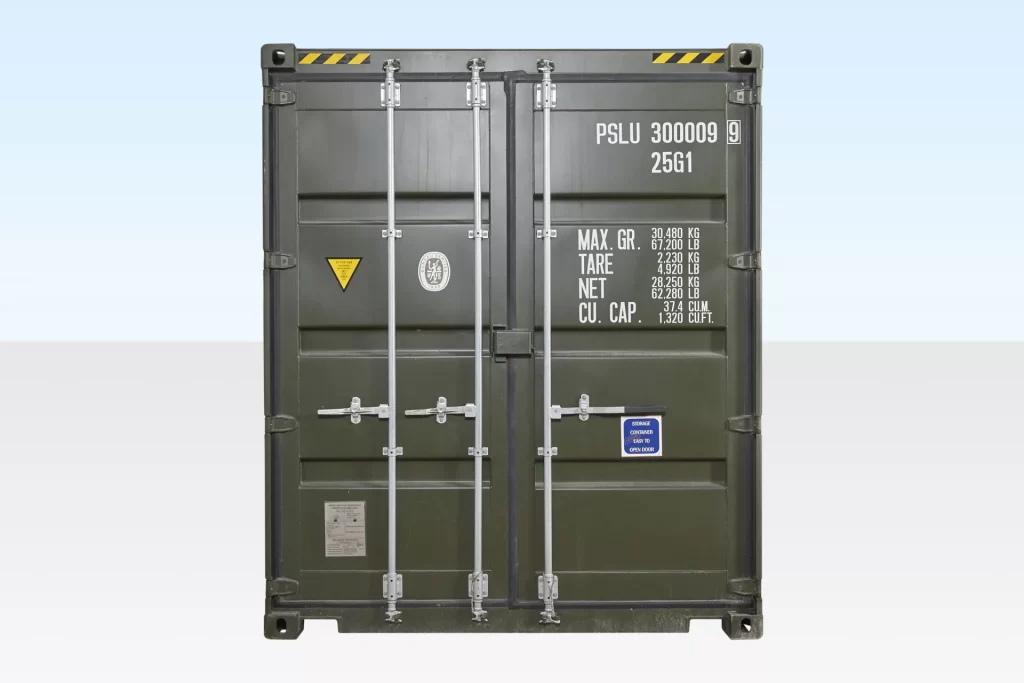
The global logistics landscape continues to evolve, and businesses are constantly seeking cost‑effective storage and modular building solutions. In 2026, the price of a shipping container is influenced by raw material costs, freight rates, and regional demand fluctuations. Understanding How Much Does a Shipping Container Cost in 2026? is essential for contractors, farmers, retailers, and anyone considering a container‑based project.
This article breaks down current pricing trends, examines the factors that drive costs, and provides actionable advice for making an informed purchase. By the end, you’ll know exactly what budget to allocate for a 20‑foot, 40‑foot, or high‑cube container, including delivery, modifications, and ongoing maintenance.
Whether you are looking to buy a single unit for on‑site storage or planning a bulk purchase for a farm expansion, the insights below will help you navigate the market with confidence. Let’s dive into the details that shape container pricing in 2026.
Key Takeaways
- The average price for a standard 20‑foot container in 2026 ranges from $2,300 to $3,200, depending on grade and location.
- Forty‑foot containers typically cost between $3,800 and $5,500; high‑cube versions add roughly $400‑$600.
- Used containers in “cargo‑worthy” condition are 20‑30% cheaper than new‑build units.
- Delivery fees vary widely: $150‑$500 for local moves, $800‑$2,000 for cross‑country transport.
- Common modifications such as insulation, HVAC, and door upgrades can add $500‑$3,000 per container.
- Buying in bulk (5+ units) often unlocks volume discounts of 10‑15% off the per‑unit price.
Primary Applications and Use Cases
1. On‑Site Storage for Construction Sites
Construction firms frequently need secure, weather‑proof storage for tools, equipment, and materials. A shipping container offers a lockable, steel‑shell solution that can be placed directly on the job site.
Common challenges include theft, water damage, and the need for quick relocation as projects progress. Containers address these by providing robust security, corrosion‑resistant corten steel, and easy mobility via tilt‑bed trucks.
Recommended container type: cargo‑worthy or wind‑and‑water‑tight (WWT) grade. Size: 20‑foot for compact sites, 40‑foot for larger crews.
Cost considerations: base price plus delivery, optional lockbox, and shelving. Benefits include rapid deployment, low maintenance, and resale value. Limitations involve limited interior height unless a high‑cube model is chosen.
2. Agricultural Grain and Feed Storage
Farmers use containers to protect grain, feed, and fertilizer from pests and moisture. The airtight nature of a properly sealed container prevents spoilage and extends shelf life.
Challenges include temperature fluctuations, condensation, and the need for easy loading/unloading with augers or conveyors. Containers solve these by allowing interior modifications such as ventilation fans, temperature monitors, and concrete flooring.
Recommended container type: one‑trip or grade A used units. Size: 40‑foot high‑cube for maximum volume.
Cost considerations: base price, insulation ($800‑$1,500), ventilation system ($300‑$700), and concrete pad preparation. Benefits: protection from rodents, flexibility to relocate, and potential to convert to a processing unit later. Limitations: need for proper grounding to avoid condensation.
3. Retail Pop‑Up Shops and Kiosks
Entrepreneurs leverage containers as trendy, movable retail spaces for festivals, markets, or seasonal sales. The industrial aesthetic appeals to modern consumers.
Challenges involve achieving a welcoming interior, ensuring ADA compliance, and managing power requirements. Containers provide a sturdy frame that can be customized with windows, doors, lighting, and point‑of‑sale systems.
Recommended container type: new or one‑trip for pristine appearance. Size: 20‑foot for small boutiques, 40‑foot for larger pop‑ups.
Cost considerations: base price, exterior paint or cladding ($1,000‑$2,500), interior finish ($2,000‑$5,000), electrical wiring ($500‑$1,500), and delivery. Benefits: quick setup, brand differentiation, and easy relocation. Limitations: permitting may be required for public spaces.
4. Modular Office or Site Accommodations
Remote projects often need temporary office space, break rooms, or sleeping quarters. Containers can be stacked or joined to create multi‑room complexes.
Challenges include thermal comfort, soundproofing, and plumbing installation. Solutions involve adding insulation, HVAC units, interior walls, and prefabricated bathroom pods.
Recommended container type: grade A or new, high‑cube for extra headroom. Size: 40‑foot for single offices, multiple 20‑foot units for larger layouts.
Cost considerations: base price, insulation package ($1,200‑$2,500), HVAC ($1,500‑$3,500), interior framing and finishes ($3,000‑$7,000), and delivery. Benefits: rapid deployment, durability, and the ability to resell or repurpose after use. Limitations: stacking requires proper foundation and structural engineering review.
5. Disaster Relief and Humanitarian Shelters
Governments and NGOs deploy containers as emergency shelters, medical clinics, or supply hubs after natural disasters.
Challenges involve speed of deployment, resistance to extreme weather, and ease of sanitation. Containers excel due to their standardized dimensions, structural strength, and ability to be outfitted with beds, partitions, and waste systems.
Recommended container type: cargo‑worthy or WWT, often purchased in bulk. Size: 20‑foot for individual units, 40‑foot for clinic modules.
Cost considerations: base price, bulk discount (10‑15%), rapid‑assembly kits ($500‑$1,200 per unit), and delivery to affected regions. Benefits: reusable, secure, and quickly scalable. Limitations: need for proper site preparation and compliance with local humanitarian standards.
6. Art Studios and Creative Workspaces
Artists and makers convert containers into studios, workshops, or gallery spaces. The steel shell provides a blank canvas for creative expression.
Challenges include temperature control, lighting, and sound isolation for noisy processes. Solutions involve installing skylights, LED lighting, acoustic panels, and climate‑control systems.
Recommended container type: one‑trip or grade A for minimal rust. Size: 40‑foot high‑cube for large canvases or sculpture work.
Cost considerations: base price, insulation and climate control ($1,500‑$3,500), electrical upgrades ($800‑$2,000), interior finish ($2,000‑$6,000), and delivery. Benefits: unique aesthetic, portability for exhibitions, and low long‑term maintenance. Limitations: initial modification costs can be high if extensive build‑out is required.
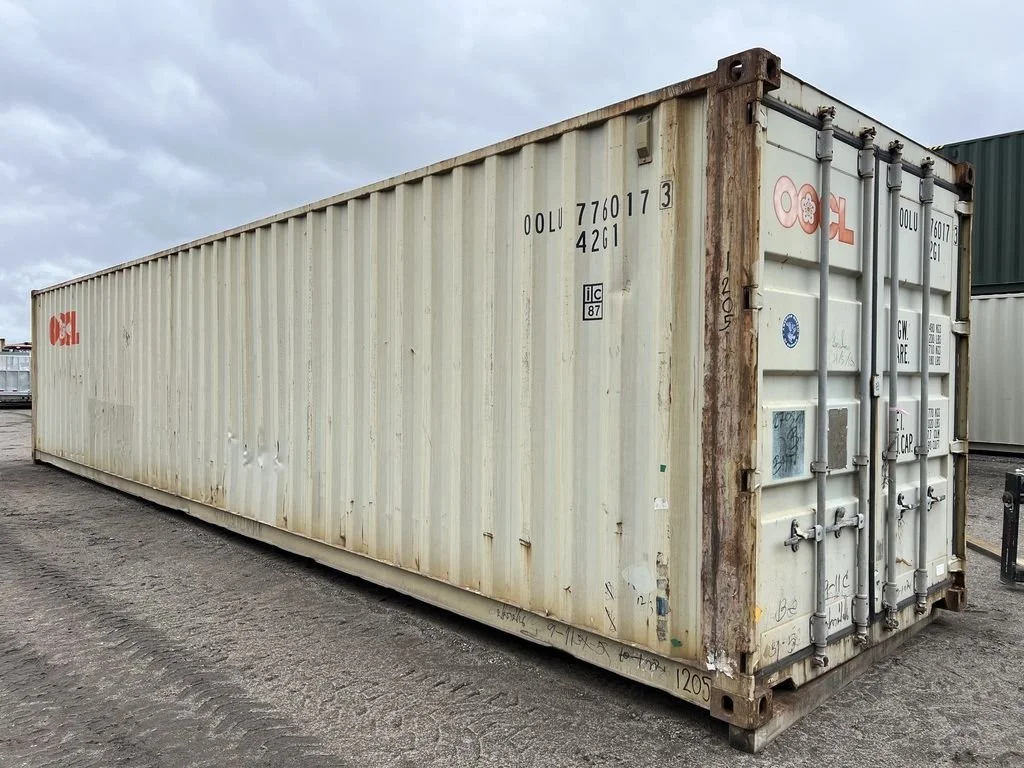
Detailed Comparison: Shipping Containers vs. Traditional Storage Buildings
| Feature | Shipping Container | Traditional Wood/Metal Shed |
|---|---|---|
| Initial Cost (20‑ft) | $2,300‑$3,200 | $1,500‑$2,800 |
| Installation Requirements | Level ground, basic anchoring | Foundation, framing, roofing |
| Durability | Corten steel, 25+ years | Wood rot, metal corrosion, 10‑15 years |
| Mobility | Easy to move with tilt‑bed truck | Generally permanent |
| Security | Lockable doors, solid steel | Dependent on lock quality, easier to breach |
| Maintenance | Minimal; occasional paint touch‑up | Regular painting, roof repairs, pest control |
| Lifespan | 20‑30 years with care | 10‑20 years |
| Best Use Cases | Secure storage, modular buildings, transport | Low‑cost, permanent backyard storage |
From the table, it is evident that while a traditional shed may have a lower upfront cost, the shipping container surpasses it in durability, mobility, and security. For buyers who need a long‑term, relocatable solution, the container’s higher initial price is offset by lower lifetime maintenance and greater resale value.
Furthermore, the modular nature of containers allows for stacking and customization that traditional sheds cannot match without significant structural work. Consequently, many commercial buyers find that the total cost of ownership favors containers over conventional storage options.
Buying Guide: Choosing the Right Container
Container Sizes
The most common lengths are 20 feet and 40 feet, with high‑cube variants adding an extra foot of height (9.5 ft vs. 8.5 ft standard). Ten‑foot and 45‑foot units exist but are less common and may incur higher per‑foot costs.
When deciding size, consider the volume of goods you need to store, the available site footprint, and whether you plan to modify the interior. A 20‑foot container offers roughly 1,170 cubic feet, while a 40‑foot high‑cube provides about 2,690 cubic feet—more than double the capacity.
Container Grades
Containers are graded based on condition:
- New (One‑Trip): Used only once for cargo, minimal wear, highest price.
- Grade A / Cargo‑Worthy: Wind‑and‑water‑tight, suitable for storage and shipping.
- Grade B / Wind‑and‑Water‑Tight (WWT): May have minor dents but still weatherproof.
- Grade C / As‑Is: Significant wear, often used for scrap or projects where appearance doesn’t matter.
For most storage applications, Grade A provides the best balance of cost and reliability.
New vs. Used
New containers command a premium of 15‑25% over used Grade A units. However, they come with a full manufacturer warranty and zero prior cargo exposure, which can be important for food‑grade or pharmaceutical storage.
Used containers, especially those inspected and certified, offer substantial savings while still meeting structural standards. Always request a survey report before purchase.
High Cube vs. Standard
High‑cube containers add approximately 300‑350 cubic feet of volume. They are ideal when you need extra headroom for shelving, equipment, or installing HVAC ductwork. The price premium is usually $400‑$600 per unit.
Special Modifications
Common modifications include:
- Insulation (spray foam, panels, or blanket)
- HVAC units (window‑type, split‑system, or packaged)
- Electrical upgrades (panels, lighting, outlets)
- Door upgrades (roll‑up, personnel, or refrigerated doors)
- Interior framing, plywood lining, or steel studs
- Exterior paint, cladding, or branding
Each modification adds cost but can dramatically increase usability. For example, insulating a 40‑foot container for year‑round use typically adds $1,200‑$2,500.
Budget Recommendations
Entry‑Level Storage (20‑ft, Grade A used): $2,300‑$2,800 + $200‑$400 delivery = ~$2,600‑$3,200.
Mid‑Range Office (40‑ft high‑cube, Grade A, insulated): $4,500‑$5,200 + $1,500 insulation + $800 delivery = ~$6,800‑$7,500.
Bulk Purchase (10 × 40‑ft Grade A): Base $4,000 each ×10 = $40,000; 12% volume discount = $35,200; delivery $6,000; total ≈ $41,200.
Delivery and Site Preparation
Access Requirements
Delivery trucks need a minimum width of 12 feet and a height clearance of 14 feet to maneuver a tilt‑bed or roll‑off trailer. Ensure that gates, overhanging branches, and low wires are cleared before scheduling delivery.
Ground Preparation
A level, well‑drained surface prevents water pooling and reduces stress on the container’s corners. Options include:
- Compacted gravel (4‑6 inches deep)
- Concrete pads (4‑6 inches thick)
- Railroad ties or pressure‑treated lumber skids
For long‑term placements, a concrete pad offers the best stability and prevents shifting.
Clearance Requirements
When placing multiple containers side‑by‑side, allow at least 2 feet between units for ventilation and access. For stacked configurations, ensure the foundation can support the combined weight (approximately 5,000 lb per 20‑ft unit, 8,000 lb per 40‑ft unit).
Rural Delivery Considerations
Rural sites may have soft soil, narrow roads, or limited turning radius. Communicate any restrictions to the carrier in advance; they may need to use a smaller truck or off‑load at a nearby accessible point and transport the container via skid steer or tractor.
Urban Delivery Considerations
Urban environments often require permits for street closures, especially if the delivery truck needs to block a lane. Additionally, noise ordinances may limit delivery hours. Working with a local carrier familiar with city regulations can streamline the process.
Common Mistakes
- Underestimating site preparation costs, leading to uneven settling.
- Failing to verify door swing clearance before placement.
- Neglecting to check for underground utilities when digging footings.
- Overlooking the need for proper anchoring in high‑wind areas.
- Assuming all used containers are watertight without requesting a inspection report.
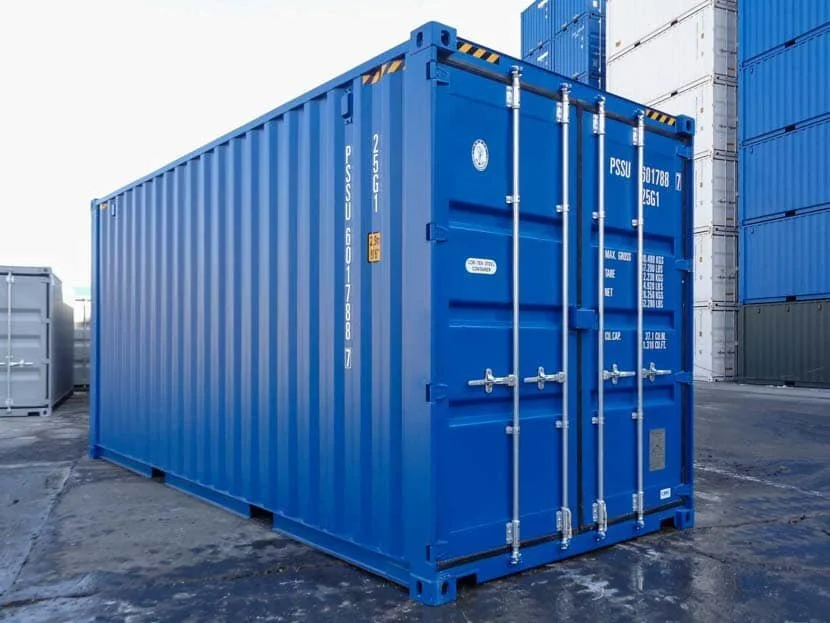
Regulations, Permits, and Compliance
Before placing a shipping container on your property, consult local zoning ordinances. Many municipalities classify containers as accessory structures and may require a building permit if the unit exceeds a certain size or is intended for habitation.
Key considerations include:
- Setback Requirements: Minimum distance from property lines, streets, or other structures.
- Use Restrictions: Some zones prohibit using containers for residential purposes without a change‑of‑use permit.
- Fire Codes: If you plan to install cooking equipment or heating, you may need fire‑rated walls and sprinklers.
- HOA Rules: Homeowners’ associations often have aesthetic guidelines that may restrict visible containers.
- Environmental Regulations: Containers used for hazardous material storage must comply with EPA spill containment standards.
Best practice is to contact your city’s planning department early in the process, provide a site plan, and obtain any necessary permits before delivery. This avoids costly relocations or fines later.
Climate Control, Insulation, and Modifications
When Insulation Is Needed
Insulation becomes essential when the container will house temperature‑sensitive goods, serve as a workspace, or be used for human occupancy in climates with extreme heat or cold. Without insulation, interior temperatures can mirror outdoor conditions, leading to condensation and discomfort.
Types of Insulation
- Spray Foam: Provides high R‑value per inch, seals gaps, but requires professional installation.
- Rigid Foam Panels: Easy to install, good for walls and ceiling, but may leave thermal bridges at seams.
- Blanket Insulation (Fiberglass or Mineral Wool): Cost‑effective, fits between studs, but needs a vapor barrier in humid climates.
HVAC Requirements
For year‑round comfort, a mini‑split heat pump is a popular choice due to its efficiency and minimal ductwork. Window units work for smaller spaces but may compromise security. Calculate BTU needs based on volume, insulation level, and local climate; a 40‑foot insulated container often requires 12,000‑18,000 BTU.
Ventilation
Even with insulation, adequate ventilation prevents stale air and controls humidity. Options include passive vents, powered exhaust fans, or energy‑recovery ventilators (ERVs). For storage of hygroscopic materials, consider desiccant dehumidifiers.
Security Upgrades
Standard container doors are secure, but additional measures such as lockboxes, crossbar locks, or electronic access systems enhance protection for high‑value items. Installing interior motion sensors or cameras adds another layer of safety.
Interior Modifications
Common interior upgrades include:
- Framing with wood or steel studs for wiring and finish.
- Plywood or OSB sheathing for a smooth surface.
- Flooring options: marine‑grade plywood, interlocking tiles, or polished concrete.
- Wall finishes: paint, vinyl panels, or insulated plasterboard.
- Ceiling treatments: acoustic tiles or insulated panels.
These modifications transform a bare steel box into a functional, comfortable space tailored to specific needs.
Cost Breakdown: What to Expect in 2026
Base Container Prices (USD)
| Container Type | Size | Price Range |
|---|---|---|
| New (One‑Trip) | 20 ft | $2,800‑$3,500 |
| New (One‑Trip) | 40 ft | $4,600‑$5,800 |
| New (One‑Trip) High‑Cube | 40 ft | $5,000‑$6,300 |
| Grade A Used | 20 ft | $2,200‑$2,900 |
| Grade A Used | 40 ft | $3,800‑$4,900 |
| Grade A Used High‑Cube | 40 ft | $4,200‑$5,400 |
Delivery Costs
Delivery fees depend on distance, accessibility, and whether a tilt‑bed, roll‑off, or flatbed truck is required.
- Local (0‑50 mi): $150‑$350
- Regional (50‑200 mi): $350‑$800
- Long‑Distance (200‑500 mi): $800‑$1,500
- Cross‑Country (500+ mi): $1,500‑$2,500
Additional charges may apply for permits, escort vehicles, or off‑loading equipment.
Modification Cost Estimates
| Modification | Cost Range (per 20‑ft unit) | Cost Range (per 40‑ft unit) |
|---|---|---|
| Spray Foam Insulation (R‑13) | $900‑$1,300 | $1,500‑$2,200 |
| Rigid Foam Panel Insulation | $700‑$1,000 | $1,200‑$1,800 |
| Mini‑Split Heat Pump (12,000 BTU) | $1,200‑$1,800 | $1,500‑$2,200 |
| Electrical Panel & Wiring (60 A) | $500‑$900 | $800‑$1,300 |
| Interior Framing & Plywood Finish | $1,000‑$1,600 | $1,800‑$2,500 |
| Exterior Paint (Primer + 2 Coats) | $300‑$500 | $500‑$800 |
| Roll‑Up Door Upgrade | $800‑$1,200 | $1,200‑$1,800 |
Maintenance and Ongoing Costs
Routine maintenance includes:
- Annual visual inspection for rust or damage: $0‑$100 (DIY) or $150‑$250 (professional).
- Repainting every 5‑7 years to prevent corrosion: $400‑$800.
- Lubricating door hinges and locks: $20‑$40 annually.
- HVAC filter replacement: $30‑$60 per year.
Overall, expect to spend roughly 1‑2 % of the container’s purchase per year on upkeep if you keep it in good condition.
Expert Insight: Real‑World Buying Scenarios
Scenario 1 – Small Farm Seeking Feed Storage
A family farm in the Midwest needs to store 150 tons of corn feed annually. They opt for two 40‑foot high‑cube Grade A used containers, each insulated with spray foam and equipped with a passive ventilation system. Total cost: containers ($8,400), insulation ($3,000), delivery ($600), ventilation ($400) = $12,400. The solution provides airtight storage, reduces spoilage, and can be relocated if the farm expands.
Scenario 2 – Urban Entrepreneur Launching a Pop‑Up Café
An entrepreneur in Austin wants a 20‑foot container café for a seasonal market. They purchase a new one‑trip unit, add exterior cladding, install a roll‑up service door, wire for 60 A service, and fit a mini‑split for climate control. Expenses: container ($3,200), cladding ($1,800), door upgrade ($1,000), electrical ($700), HVAC ($1,500), delivery ($250) = $8,450. The café opens within three weeks of delivery and can be moved to new locations each season.
Scenario 3 – Construction Company Need On‑Site Office
A contractor managing a multi‑site project requires a temporary office that can be moved every three months. They select a 40‑foot Grade A used container, add interior framing, plywood finish, electrical, and a window‑type AC unit. Costs: container ($4,200), interior finish ($2,200), electrical ($800), AC ($600), delivery ($350) = $8,150. The office provides a secure, weather‑proof workspace and retains resale value after the project ends.
These examples illustrate how matching container grade, size, and modifications to the specific use case optimizes both cost and functionality.
Conclusion
Understanding How Much Does a Shipping Container Cost in 2026? involves more than just looking at a sticker price. It requires evaluating container grade, size, delivery logistics, modification needs, and long‑term maintenance. By considering the factors outlined in this guide, you can select a container that meets your operational requirements while staying within budget.
Whether you need a simple storage unit, a modular office, or a custom retail space, the versatility of shipping containers makes them a smart investment for 2026 and beyond. Take the time to plan your site preparation, secure any necessary permits, and choose a reputable supplier—then enjoy the durability, mobility, and security that only a steel container can provide.
Frequently Asked Questions
What is the average price of a 20‑foot shipping container in 2026?
In 2026, the average price for a standard 20‑foot shipping container falls between $2,300 and $3,200 for a Grade A used unit that is wind‑and‑water‑tight. New one‑trip containers of the same size typically range from $2,800 to $3,500.
Prices vary based on regional demand, the condition of the container’s corten steel, and whether the unit includes any factory‑installed features such as extra locking bars or specialized flooring. If you require a high‑cube version, expect to add roughly $400‑$600 to the base price. Delivery costs are not included in these figures and can add another $150‑$800 depending on distance and site accessibility.
How much does it cost to deliver a 40‑foot container across the country?
Cross‑country delivery of a 40‑foot container in 2026 generally costs between $1,500 and $2,500. This estimate assumes a standard flatbed or tilt‑bed truck traveling from a major distribution hub to a destination over 1,500 miles away.
Factors that can increase the price include the need for escort vehicles on narrow roads, permits for oversize loads in certain states, and additional fees for off‑loading equipment such as a crane or forklift if the receiving site lacks appropriate machinery. Conversely, if you are delivering within a 200‑mile radius, the cost may drop to $350‑$800. Always request a detailed quote that outlines mileage, fuel surcharges, and any accessorial charges to avoid surprises on the final invoice.
Are used shipping containers safe for storing food or pharmaceuticals?
Used shipping containers can be safe for food or pharmaceutical storage, but only if they meet specific criteria. First, the container must be classified as “cargo‑worthy” or “wind‑and‑water‑tight” and have no prior exposure to hazardous chemicals. Second, the interior should be thoroughly cleaned, sanitized, and, if necessary, lined with a food‑grade coating such as epoxy or stainless‑steel panels.
Third, proper insulation and climate control are essential to maintain temperature and humidity within required ranges. Many buyers opt for new one‑trip containers for these applications because they have a clean history and minimal wear. If you choose a used unit, request a detailed inspection report, consider adding an interior liner, and verify that your local health department approves the setup before storing any consumable goods.
What modifications add the most value to a shipping container for office use?
For office use, the modifications that deliver the greatest return on investment are insulation, HVAC, electrical upgrades, and interior finish. Spray‑foam or rigid‑foam insulation creates a comfortable thermal envelope, reducing energy costs and preventing condensation. A mini‑split heat pump provides efficient heating and cooling without compromising security. Upgrading the electrical system to at least a 60‑amp panel with ample outlets supports computers, lighting, and office equipment.
Interior framing with plywood or drywall gives a professional appearance and allows for easy wiring and mounting of fixtures. Additionally, adding a roll‑up or personnel door improves accessibility and natural light when combined with windows. While aesthetic upgrades such as exterior paint or cladding enhance curb appeal, the core functional upgrades listed above have the biggest impact on usability and long‑term satisfaction.
Can I stack shipping containers, and what precautions should I take?
Yes, shipping containers are designed to be stacked, which is why they are the backbone of global intermodal transport. However, safe stacking requires a proper foundation, adequate corner casting alignment, and, often, twist‑lock connectors to secure the units together. Before stacking, verify that the ground or pad can support the combined weight—approximately 5,000 lb per 20‑foot container and 8,000 lb per 40‑foot container.
Use a level surface of compacted gravel, concrete, or railroad ties to prevent uneven settling. For stacks higher than two units, consult a structural engineer to evaluate wind loads and seismic considerations, especially in areas prone to high winds or earthquakes. Finally, always install appropriate locking devices (such as stacker pins or twist locks) at each corner to prevent lateral movement during handling or adverse weather.
Thank you for reading this comprehensive guide on shipping container costs in 2026. If you are ready to purchase a container or need further assistance with customization, feel free to explore our related pages: Buy Storage Containers Auction, Buy Storage Containers Online, and Buy Storage Containers in Bulk. These resources will help you find the right solution for your storage or project needs.
