 Skip to content
 Best Storage Container for Businesses
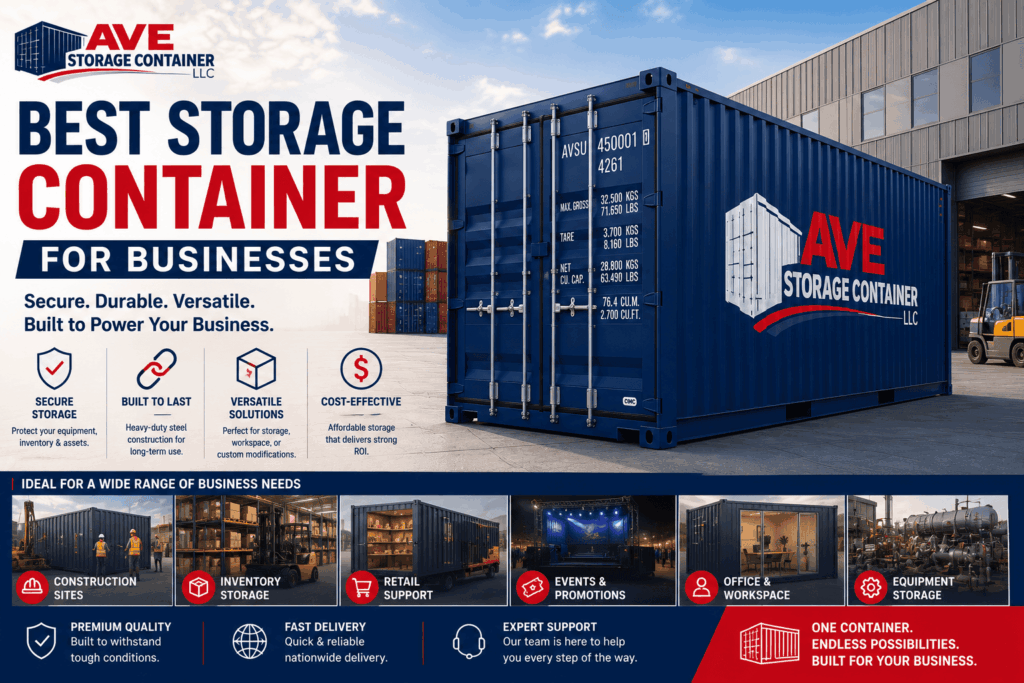
Best Storage Container for Businesses is a decision that directly impacts operational efficiency, cost control, and scalability. When a company faces growing inventory, seasonal fluctuations, or the need for secure archival, the right storage solution becomes a strategic asset rather than a mere expense. This guide walks you through every critical factor—from material durability to regulatory compliance—so you can invest confidently in a container that supports your long‑term goals.
Key Takeaways
- Best Storage Container for Businesses must align with the specific nature of your goods—whether they are perishable, hazardous, or high‑value.
- Material choice (steel, aluminum, plastic, or fabric) influences durability, weight, and resistance to environmental factors.
- Consider modularity and scalability; containers that can be stacked, linked, or reconfigured save space and future‑proof your investment.
- Total cost of ownership includes purchase price, maintenance, insurance, and potential downtime—evaluate all before deciding.
- Compliance with industry standards (OSHA, ISO, FDA) is non‑negotiable for legal protection and employee safety.
Best Storage Container for Businesses: Core Categories Explained
Understanding the primary categories helps narrow options quickly. Each category serves distinct operational needs, and mixing them without analysis can lead to inefficiencies.
Types of Storage Containers for Business Use
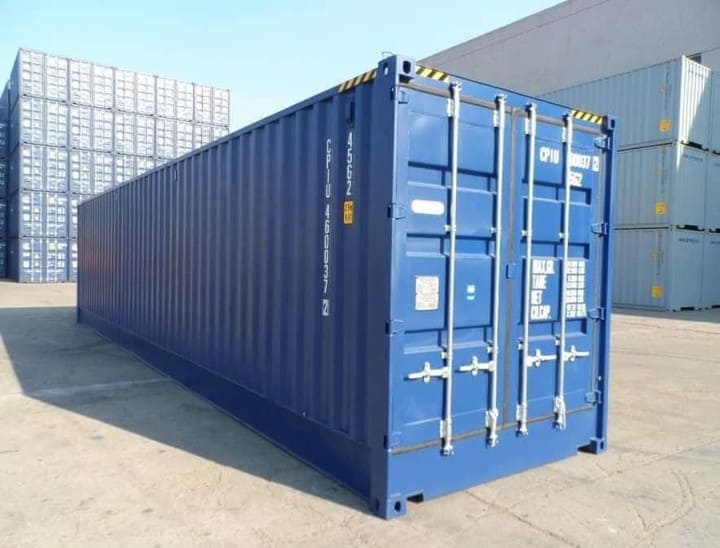
Industrial steel containers dominate heavy‑duty applications due to their strength and fire resistance. They are ideal for machinery parts, raw metals, and tools that require robust protection. Aluminum units offer a lighter alternative while maintaining corrosion resistance, making them suitable for aerospace components and outdoor storage where weight matters.
Plastic containers, especially those made from high‑density polyethylene (HDPE), excel in environments requiring chemical resistance and ease of cleaning. Food‑grade plastic bins are common in pharmaceutical and beverage industries. Fabric‑based solutions, such as reinforced vinyl totes, provide flexibility for temporary or mobile storage needs.
Specialized containers—like temperature‑controlled units, hazardous‑material drums, and anti‑static bins—address niche requirements. Selecting a specialized type often reduces risk and ensures regulatory adherence, though it may increase upfront cost.
Factors to Consider When Selecting a Storage Container
Capacity planning begins with a clear inventory audit. Measure the volume, weight, and dimensions of your typical load, then add a buffer of 15‑20 % for future growth. Overestimating leads to wasted space; underestimating causes congestion and potential damage.
Environmental exposure dictates material and coating choices. If containers will sit outdoors, UV‑stabilized finishes and rust‑inhibiting primers extend lifespan. Indoor climate‑controlled settings may prioritize low‑off‑gassing materials to protect sensitive products.
Accessibility features such as drop‑down doors, swing‑out panels, or sliding lids affect daily workflow. Ergonomics matter—containers that require excessive bending or lifting increase injury risk and reduce picking speed.
Security integration is another vital point. Look for containers with built‑in lock points, compatibility with padlocks, or provisions for electronic sealing. For high‑value inventory, consider tamper‑evident seals or RFID‑enabled tracking.
Cost Analysis and Budgeting
Purchase price varies widely: a standard 20‑foot steel container may start around $1,500, while a custom‑fabricated aluminum unit with insulation can exceed $5,000. Always request itemized quotes that include delivery, taxes, and any required modifications.
Maintenance expenses should not be overlooked. Steel containers need periodic rust treatment and repainting; plastic units may require UV‑protective sprays every two years. Fabric containers often need seam reinforcement after heavy use.
Insurance premiums fluctuate based on storage risk. Documenting container specifications and safety features can lower premiums. Conduct a total‑cost‑of‑ownership (TCO) analysis over a five‑year horizon to compare alternatives fairly.
Financing options such as leasing or vendor‑financed programs can preserve capital. Evaluate interest rates, end‑of‑term buyout clauses, and upgrade flexibility before committing.
Implementation Best Practices
Begin with a pilot phase: deploy a small batch of containers in a single department to gauge performance. Collect data on loading times, damage rates, and employee feedback before scaling.
Standardize labeling and identification. Use barcode or QR‑code tags linked to your warehouse management system (WMS) to enable real‑time tracking. Consistent labeling reduces misplaced items and speeds audits.
Train staff on proper handling techniques. Emphasize lifting protocols, correct door operation, and routine inspection checklists. Well‑trained teams minimize accidents and extend container life.
Schedule regular audits—quarterly for high‑turnover items, semi‑annually for archival storage. Audits uncover hidden issues like corrosion, seal degradation, or overloading before they cause failures.
Case Studies: Real‑World Applications
A mid‑size automotive parts distributor replaced wooden pallets with stackable steel containers. Result: loading time dropped by 22 %, inventory shrinkage fell from 3.5 % to 0.8 %, and warehouse space utilization improved by 18 %.
A pharmaceutical company adopted HDPE plastic totes with temperature‑loggers for vaccine storage. The containers maintained required 2‑8 °C range during transit, eliminating spoilage incidents and satisfying FDA 21 CFR Part 11 requirements.
An e‑commerce fulfillment center introduced modular fabric bins for seasonal apparel. The bins collapsed flat when not in use, saving 40 % of storage space during off‑peak months and reducing labor costs associated with repositioning bulky containers.
These examples illustrate how aligning container choice with specific operational pain points yields measurable ROI.
Future Trends in Business Storage Containers
Smart containers equipped with IoT sensors are gaining traction. Sensors monitor temperature, humidity, shock, and door status, streaming data to cloud platforms for predictive maintenance alerts.
Sustainable materials are entering the market. Recycled aluminum composites and bio‑based plastics reduce carbon footprint while meeting performance standards. Companies pursuing ESG goals often prioritize these eco‑friendly options.
Automation integration is reshaping container design. Containers with standardized mounting points for robotic arms or AGVs (automated guided vehicles) streamline picking and put‑away processes in high‑throughput warehouses.
Modularity continues to evolve. Snap‑together systems allow businesses to reconfigure storage layouts within hours, accommodating rapid product line changes without costly renovations.
FAQ
What is the most durable material for a Best Storage Container for Businesses?
Steel remains the most durable material for heavy‑duty business storage, offering superior impact resistance, fire protection, and load‑bearing capacity. However, durability must be balanced with weight and corrosion concerns; galvanized or powder‑coated steel extends lifespan in humid or outdoor environments.
How do I determine the right size for a Best Storage Container for Businesses?
Start by calculating the total volume of your typical inventory batch, then add a safety margin of 15‑20 % for future growth and handling ease. Measure the longest, widest, and tallest items to ensure interior dimensions accommodate them without forcing or damaging goods.
Are there regulatory standards that a Best Storage Container for Businesses must meet?
Yes. Depending on your industry, containers may need to comply with OSHA safety standards, ISO 14971 for medical devices, FDA 21 CFR for food and pharma, or IMDG for hazardous materials. Always verify that the supplier provides certification documents relevant to your sector.
Can a Best Storage Container for Businesses be customized for specific workflows?
Absolutely. Many manufacturers offer modular designs, custom door configurations, internal shelving, and integration points for RFID or IoT sensors. Clearly outlining your workflow requirements during the quotation process ensures the final container supports, rather than hinders, your operations.
What is the typical lifespan of a Best Storage Container for Businesses?
Lifespan varies by material and usage. Well‑maintained steel containers can last 15‑20 years, aluminum units 10‑15 years, and high‑quality plastic bins 5‑10 years. Regular inspections, timely repairs, and proper cleaning significantly extend service life.
Ready to Optimize Your Storage?
Invest in the Best Storage Container for Businesses today and experience reduced costs, improved safety, and seamless scalability. Get a Free Quote
