Complete Guide to Shipping Container Delivery Requirements: Everything You Need to Know
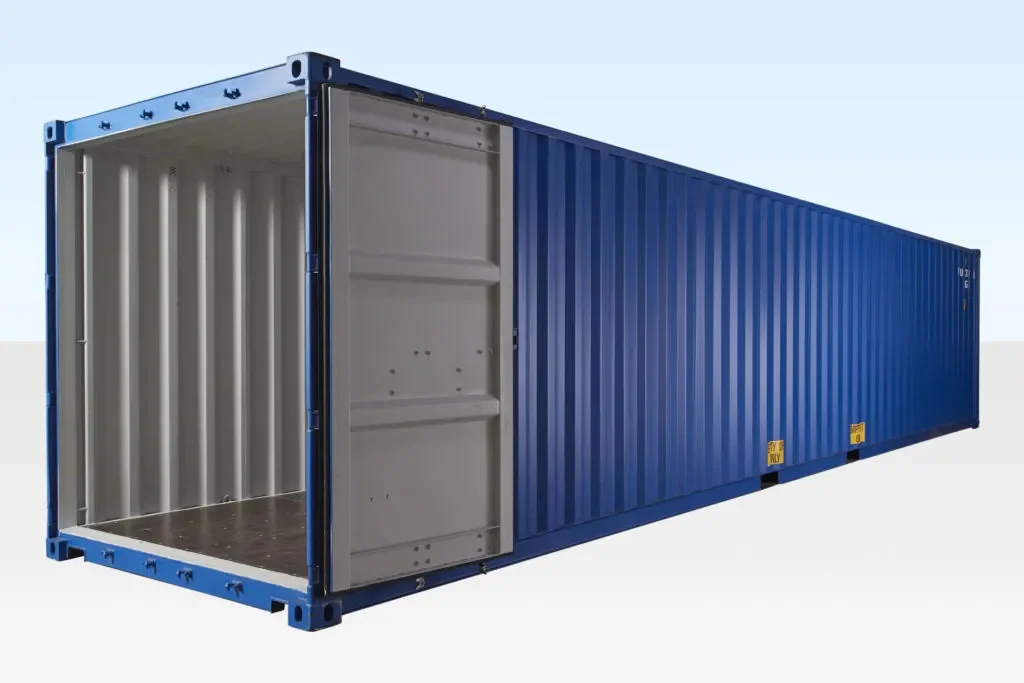
Buying a shipping container is only the first step. Preparing your property for safe and efficient delivery is equally important. Whether you need a 20-foot storage container for equipment, a 40-foot unit for commercial storage, or a cargo-worthy container for transportation, understanding the shipping container delivery requirements can help prevent delays, additional transportation charges, and unsuccessful delivery attempts.
At Ave Storage Container LLC, we understand that every property presents different challenges. Driveway width, ground conditions, overhead clearance, access roads, fences, landscaping, utility lines, and local regulations can all affect how a container reaches its final destination. Proper planning allows the delivery driver to position the container safely and efficiently.
This guide explains the major requirements to consider before scheduling delivery, including site preparation, delivery methods, access requirements, shipping container delivery costs, weight limits, regulations, certification, and frequently asked questions.
Understanding Shipping Container Delivery Requirements
Shipping containers are large, rigid steel structures that require specialized transportation equipment. Before delivery, the property should be evaluated to make sure the truck can enter the site, maneuver safely, and unload the container in the intended location.
The delivery process begins before the truck leaves the depot. Property owners should inspect the proposed route, measure access points, remove obstructions, and make sure the final placement area can support the container.
Important considerations include:
- Ground conditions
- Driveway and gate width
- Turning radius
- Overhead tree branches
- Utility and power lines
- Building clearance
- Fences and walls
- Road accessibility
- Delivery truck clearance
- Final placement area
- Local zoning requirements
Failing to account for these factors can result in a failed delivery, property damage, or additional transportation charges. The source material emphasizes that a successful delivery depends on evaluating terrain, overhead obstructions, and gate openings before the truck arrives.
Essential Site Preparation for Shipping Container Delivery
One of the most important shipping container delivery requirements is preparing a suitable surface.
A container should not simply be placed on soft mud, unstable soil, or an area that regularly collects water. A firm, reasonably level foundation helps prevent movement and reduces the possibility of problems with the container doors.
Common foundation options include:
- Compacted gravel
- Concrete slabs
- Heavy-duty concrete blocks
- Railway ties
- Other suitable support systems
The site should be properly graded and compacted before delivery. A stable surface is particularly important because both the delivery vehicle and the container can impose substantial loads on the property.
A properly prepared placement area also makes future access easier. When the container is positioned on an uneven or unstable surface, doors can become difficult to operate and the container may settle unevenly.
How Much Space Is Needed to Deliver a Shipping Container?
Adequate access is essential. The exact space required depends on the container size, truck, trailer configuration, delivery method, property layout, and driver.
Before scheduling delivery, we recommend checking the entire route rather than focusing only on the final drop location.
Measure:
- Gate openings
- Driveway width
- Road width
- Turning areas
- Low-hanging branches
- Overhead utility lines
- Clearance around buildings
- Clearance around parked vehicles
- The intended unloading area
The supplied source recommends clearing a straight path of approximately 60 to 100 feet, depending on the container length and delivery circumstances.
Because individual delivery vehicles differ, it is wise to discuss unusual access conditions with the delivery provider before the scheduled date.
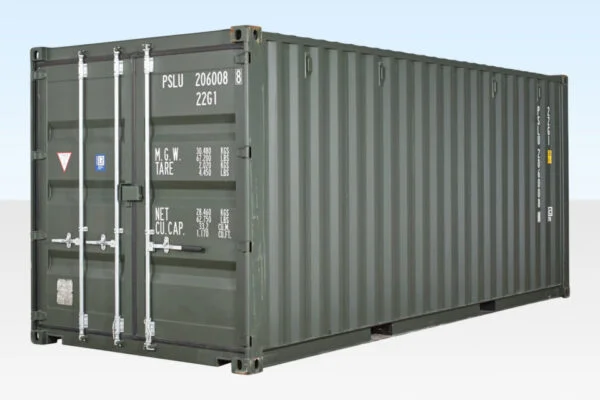
Shipping Container Delivery Methods
Different properties require different delivery equipment. The three methods identified in the source material are tilt-bed trailers, crane-equipped flatbeds, and side-loader trucks.
Tilt-Bed Trailer Delivery
A tilt-bed trailer is commonly used for standard ground-level deliveries.
The trailer uses a hydraulic mechanism to tilt its bed. As the truck moves forward, the container slides from the trailer onto the prepared ground.
This method can be efficient and economical, but it requires appropriate straight-line clearance. The truck must have enough room to position itself and unload the container safely.
Crane Truck and Flatbed Delivery
A crane-equipped truck can be useful when a container needs to be positioned in a difficult location.
For example, a crane may be considered when the container must be placed:
- Behind a fence
- Over a retaining wall
- In a confined location
- In an area without sufficient straight-line clearance
The crane allows the container to be lifted from the truck and positioned more precisely.
Side-Loader Delivery
Side-loader equipment can provide another option when the property layout makes conventional unloading difficult. The appropriate delivery method should be selected according to the site, container dimensions, access limitations, and available equipment.
How to Get a Shipping Container Delivered
The delivery process becomes easier when it is handled in a logical sequence.
1. Select the Container
Choose the appropriate container size and condition. Common choices include 20-foot and 40-foot containers, with condition categories such as one-trip, cargo-worthy, and wind-and-water-tight units.
2. Inspect the Delivery Route
Check the complete route from the public road to the final placement location. Look for branches, utility wires, fences, narrow gates, parked vehicles, soft ground, and other obstacles.
3. Confirm Delivery Requirements
Discuss the property with the supplier or transportation provider. Confirm the delivery method, estimated arrival date, access requirements, and any equipment needed.
4. Prepare the Ground
The final location should be firm, level, and capable of supporting the container.
5. Clear the Site
Remove vehicles, landscaping obstacles, branches, equipment, and other objects that could interfere with the delivery.
6. Meet the Driver
When practical, have someone available to identify the intended placement location and communicate any site-specific considerations.
Shipping Container Delivery Cost
The shipping container delivery cost varies according to several factors.
The most important variables include:
- Distance from the supplier or depot
- Fuel prices
- Container size
- Delivery equipment
- Site accessibility
- Road conditions
- Special handling requirements
- Crane requirements
- Rural or remote location
- Local transportation requirements
The supplied material states that regional transport fees may range from approximately $150 to more than $1,000, depending on mileage and delivery complexity.
For this reason, buyers should request a detailed transportation quote before finalizing the purchase.
How Much Is Shipping Container Delivery?
There is no single delivery price that applies to every property.
A short-distance delivery near a distribution depot may cost substantially less than a remote delivery requiring additional driving time or specialized unloading equipment.
The source identifies short-haul deliveries within approximately 50 miles of a major distribution hub as among the more affordable scenarios, while longer regional deliveries can increase transportation costs.
The best way to determine the actual price is to provide the supplier with:
- Delivery address
- Container size
- Desired placement area
- Access information
- Any known obstacles
- Whether crane placement may be necessary
Finding a Shipping Container for Sale in the USA
The shipping container for sale USA market includes suppliers, distribution depots, intermodal yards, and independent dealers throughout the country.
Buyers should compare more than the advertised container price. Ask whether the quoted price includes transportation or whether delivery will be calculated separately.
Important questions include:
- Is delivery included?
- What condition is the container?
- Is it wind-and-water-tight?
- Is it cargo-worthy?
- Does it have a valid CSC plate when applicable?
- What delivery equipment will be used?
- Are there additional unloading charges?
- What happens if the truck cannot access the property?
Understanding these details before purchase can make budgeting considerably easier.

Shipping Container From China to USA Cost
Businesses purchasing containers in larger quantities may consider importing directly. However, the shipping container from China to USA cost includes substantially more than the purchase price.
Potential expenses include:
- Manufacturing costs
- Ocean freight
- Port handling
- Terminal charges
- Customs brokerage
- Import duties or tariffs where applicable
- Domestic trucking
- Final-mile delivery
The source notes that international freight rates can fluctuate according to supply-chain conditions, fuel costs, and seasonal demand.
For individual buyers and smaller projects, purchasing domestic inventory can simplify the process because the container has already entered the U.S. supply chain.
Shipping Container Certification Requirements
Certification becomes especially important when a container is intended for intermodal transportation.
The CSC safety approval plate is a key certification associated with containers used for international transport. The supplied source explains that CSC approval relates to structural inspection and suitability for stacking, lifting, and ocean transportation.
Buyers should determine whether certification is actually required for their intended use rather than assuming every storage application requires the same documentation.
Shipping Container Freight Qualifications
Containers intended for freight transportation need to meet applicable structural and transportation standards.
The source identifies several important characteristics, including:
- Structural integrity
- Wind-and-water-tight condition
- Functional door gaskets
- Secure locking hardware
- Acceptable corner castings
- No serious structural corrosion
- No compromised structural frames
Units with severe structural damage may be rejected by transportation providers or unsuitable for certain intermodal applications.
Shipper Owned Container Requirements
A shipper-owned container (SOC) is a container owned by the shipper rather than leased from an ocean carrier.
Ownership provides greater control over the container, but it also means the owner assumes responsibility for appropriate maintenance, certification, and regulatory compliance.
For international transportation, SOC containers may need valid CSC certification and must satisfy the requirements imposed by carriers, ports, rail operators, and other transportation providers.
Container Vehicle Shipping Requirements
Using a shipping container to transport a vehicle requires appropriate preparation and securement.
The source identifies measures such as:
- Heavy-duty lashing straps
- Wheel chocks
- Interior tie-down points
- Proper vehicle positioning
- Appropriate fuel levels
- Battery-related precautions where required
Because vehicle transportation can involve additional hazardous-material and carrier requirements, we recommend confirming the specific rules with the transportation provider before loading the vehicle.
Shipping Container Rules and Regulations
One of the most frequently overlooked considerations is local regulation.
Shipping container rules and regulations can differ between municipalities, counties, and states. Some locations may regulate:
- Where a container can be placed
- Whether a permit is required
- How long it may remain on a property
- Setback requirements
- Visibility from public roads
- Residential versus commercial use
- Foundation requirements
- HOA restrictions
The source specifically recommends checking with local zoning authorities, city planning departments, and homeowners associations before delivery.
A container that is physically suitable for a property may still be subject to local placement restrictions.
DOT Shipping Container Requirements
When a container is transported on public roads, the transportation equipment and load must comply with applicable transportation safety requirements.
The source describes securement using equipment such as twist-locks or appropriately rated tie-down systems.
Professional transportation providers should select appropriate equipment and secure the container according to applicable requirements.
Shipping Container Delivery Service Cost
When comparing shipping container delivery service cost, buyers should consider the complete service rather than simply selecting the lowest advertised transportation price.
A professional quote may account for:
- Driver time
- Fuel
- Transportation distance
- Trailer equipment
- Specialized unloading equipment
- Insurance
- Site complexity
A low transportation price may not be advantageous if the provider lacks the equipment needed for the property’s access conditions.
Container International Shipping Regulations
International shipping involves additional documentation and compliance requirements.
Depending on the shipment, buyers may need to address:
- Customs documentation
- Import requirements
- Manifest information
- Port procedures
- Applicable tariffs
- Wood packaging requirements
- Maritime transportation regulations
The source specifically identifies ISPM 15 standards for applicable wood packaging and stresses the importance of accurate customs documentation.
International shipments should be coordinated with qualified freight-forwarding and customs professionals when necessary.
Shipping Container Weight Limits
Understanding shipping container weight limits is important for both storage and transportation.
The supplied source states that standard 20-foot containers may have a maximum gross weight of approximately 52,910 pounds, while 40-foot containers may reach approximately 67,200 pounds, including the container’s tare weight.
However, maximum container capacity does not automatically mean that the same weight can legally be transported on every road or truck.
Highway weight restrictions, axle limits, bridge formulas, chassis specifications, and state transportation regulations can affect the legal transport weight.
Preparing for a Successful Delivery
A few simple preparations can significantly reduce delivery problems.
Before the truck arrives, we recommend checking the following:
- Confirm the delivery date and time
- Make sure the access route is clear
- Remove parked vehicles
- Trim or remove obstructing branches
- Check overhead clearance
- Confirm gate dimensions
- Prepare a firm placement surface
- Remove temporary obstacles
- Verify local requirements
- Discuss unusual site conditions with the supplier
- Make sure the final placement location is accessible
These steps allow the driver to focus on safe positioning rather than overcoming avoidable obstacles.
Shipping Container Delivery Checklist
Before scheduling a shipping container delivery, we recommend completing a final inspection of the property. A simple checklist can prevent many of the problems that commonly occur when a delivery truck arrives and discovers that the site is inaccessible or unsuitable.
Use the following shipping container delivery checklist before your scheduled delivery date:
1. Confirm the Container Size
Verify whether you are receiving a 20-foot, 40-foot, or another container size. The dimensions of the unit directly affect the space required for transportation and placement.
Make sure the container ordered matches the space you have prepared. A site that comfortably accommodates a 20-foot container may not provide enough room for a 40-foot unit or the larger delivery vehicle required to transport it.
2. Measure the Entrance
Measure every access point between the public road and the final drop location.
Pay particular attention to:
- Driveway width
- Gate width
- Gate height
- Road width
- Tight corners
- Retaining walls
- Fences
- Buildings
- Landscaping
- Utility poles
Do not measure only the final opening. A container truck needs enough room to approach, turn, maneuver, and position itself.
3. Check Overhead Clearance
Overhead obstructions can create serious delivery problems. Tree branches, utility wires, signs, roof overhangs, and other structures should be identified before delivery.
If the route contains low-hanging branches or other obstacles, arrange for them to be removed or trimmed before the truck arrives.
Never assume that because a standard vehicle can enter the property, a shipping container delivery truck can do the same. Specialized trucks and trailers can have significantly different dimensions and maneuvering requirements.
4. Prepare the Container Foundation
The final placement area should be ready before delivery day.
A properly prepared surface can include compacted gravel, concrete, or other appropriate supports. The surface should be stable enough to prevent excessive settling.
The source material specifically emphasizes that soft soil and wet ground can create long-term problems, while a firm and level surface helps maintain proper container positioning.
5. Remove Vehicles and Other Obstacles
Move cars, trailers, tractors, equipment, construction materials, outdoor furniture, and other objects away from the delivery route.
Even an object that appears to leave enough room may interfere with the driver’s turning radius or unloading procedure.
6. Confirm the Delivery Method
Ask the supplier or transportation company how your container will be delivered.
A tilt-bed trailer, crane truck, or side-loader may have very different site requirements. Knowing the delivery method in advance allows you to prepare the property correctly.
Common Shipping Container Delivery Problems to Avoid
Most delivery complications can be prevented with proper planning. Several issues occur repeatedly when customers do not inspect their property before delivery.
Insufficient Driveway Width
A narrow driveway may prevent the delivery truck from entering the property. Even when the container itself could fit through an opening, the truck and trailer may require considerably more space.
Low-Hanging Trees
Branches can interfere with the truck, trailer, container, or hydraulic equipment. Trim vegetation before delivery whenever necessary.
Soft or Muddy Ground
Heavy delivery equipment can become stuck on saturated soil. Even if the container can eventually be unloaded, recovery may result in additional costs and property damage.
Overhead Power Lines
Power lines create an important safety consideration. The delivery route should be evaluated carefully for overhead electrical infrastructure and other utility obstacles.
Poor Placement Planning
A container should not be positioned simply because an open area is available. Consider how the doors will be accessed after installation.
Leave sufficient working space around the doors and make sure the final orientation makes sense for daily use.
Unexpected Local Restrictions
Some property owners discover zoning or HOA restrictions only after purchasing a container.
Checking local requirements before ordering can prevent unnecessary delays and relocation expenses.
How to Prepare a Driveway for Shipping Container Delivery
The driveway is often the most important part of the delivery route.
The surface must be capable of supporting the weight of the delivery equipment. Asphalt, concrete, gravel, or compacted surfaces may be suitable depending on the specific circumstances, but the condition of the entire route matters.
Look for:
- Cracks
- Soft shoulders
- Drainage problems
- Steep slopes
- Sharp turns
- Narrow sections
- Low clearance
- Weak bridges or culverts
A delivery provider should be informed about unusual access conditions before the truck is dispatched.
For rural properties, driveway conditions deserve additional attention. The source specifically recommends ensuring rural driveways are wide enough, clear of branches, and firm enough to support a heavy delivery truck.
Where Should a Shipping Container Be Placed?
The best location depends on how the container will be used.
For a storage application, choose a location that provides convenient access while keeping the container on stable ground. The doors should face an area where equipment, vehicles, or people can safely approach.
Consider future use before delivery.
For example, if you intend to store a tractor, palletized materials, machinery, or large equipment, placing the doors toward a narrow fence line could make loading and unloading unnecessarily difficult.
A good placement area should provide:
- Stable ground
- Convenient door access
- Adequate drainage
- Safe clearance from structures
- Reasonable vehicle access
- Sufficient room for future maintenance
Planning the placement carefully can make the container significantly more useful over its entire service life.
Shipping Container Delivery for Residential Properties
Residential delivery often presents different challenges than commercial or industrial delivery.
Residential properties may have:
- Narrow driveways
- Small gates
- Landscaping
- Fences
- Garages
- Neighboring structures
- Overhead wires
- HOA restrictions
For this reason, homeowners should inspect the property from the street all the way to the intended placement location.
If access is particularly restricted, a specialized delivery method may be necessary. The source identifies crane trucks as an option for locations where standard tilt-bed unloading is impractical.
Shipping Container Delivery for Businesses and Construction Sites
Businesses, farms, warehouses, and construction projects may require larger containers and more frequent deliveries.
Commercial customers should consider how the container will interact with existing operations.
For example, the delivery area should not block:
- Loading docks
- Emergency access
- Employee parking
- Fire lanes
- Equipment routes
- Customer entrances
- Utility access
Construction sites should also account for changing ground conditions. A site that is accessible during dry weather may become difficult or impossible for heavy trucks after significant rainfall.
When containers are part of a larger construction project, delivery timing should be coordinated with site preparation and other equipment movements.
How Long Does Shipping Container Delivery Take?
The actual unloading process can be relatively quick when the site is properly prepared. The supplied source indicates that a standard unloading process can take less than 30 minutes in the hands of an experienced professional driver.
However, the overall delivery timeline can depend on factors such as:
- Container availability
- Distance from the depot
- Transportation scheduling
- Weather
- Road conditions
- Equipment availability
- Site accessibility
- Special placement requirements
Preparing the property in advance helps ensure that the driver does not have to wait for obstacles to be removed or the ground to be prepared.
What to Do on Shipping Container Delivery Day
On delivery day, make sure the property is ready before the truck arrives.
Keep the access route completely clear and ensure that someone familiar with the intended placement is available when appropriate.
When the driver arrives:
- Identify the intended placement location.
- Explain any unusual site conditions.
- Confirm the delivery route.
- Keep people and pets away from the unloading area.
- Allow the professional driver to control the unloading operation.
- Inspect the container after placement.
- Confirm that the doors operate correctly.
- Check the container’s final position.
Do not stand in the unloading area or attempt to direct the driver from an unsafe position. The delivery professional should determine the safest way to maneuver and unload the equipment.
What Happens After a Shipping Container Is Delivered?
Once the container has been placed, perform a basic inspection.
Check the:
- Exterior panels
- Roof
- Doors
- Door seals
- Locking mechanisms
- Corner castings
- Floor
- Interior walls
- General structural condition
If the container is being purchased for storage, confirm that the doors open and close properly and that the unit is positioned as intended.
If the container will be used for transportation or another specialized application, retain any relevant documentation and certification associated with the unit.
Shipping Container Delivery: Final Preparation Checklist
Before the delivery truck arrives, verify all of the following:
✓ Container size confirmed
✓ Delivery date confirmed
✓ Delivery method confirmed
✓ Access route inspected
✓ Gate and driveway measurements checked
✓ Overhead clearance checked
✓ Utility lines identified
✓ Trees and branches cleared
✓ Vehicles moved
✓ Ground prepared
✓ Placement area leveled
✓ Local zoning requirements checked
✓ HOA requirements checked where applicable
✓ Final container orientation determined
✓ Driver has appropriate site instructions
Completing this checklist can dramatically reduce the likelihood of a failed delivery.
Why Proper Shipping Container Delivery Planning Matters
A shipping container represents a substantial steel structure that must be transported and positioned using specialized equipment. The delivery process is therefore not simply a matter of bringing a large box to an address.
Successful container delivery starts with preparation.
When the access route is clear, the ground is properly prepared, the correct delivery method has been selected, and local requirements have been reviewed, the installation process becomes much more straightforward.
The source material summarizes the key principle clearly: successful delivery depends on preparing the site, clearing obstacles, choosing the appropriate logistics provider, and understanding applicable zoning requirements.
Final Shipping Container Delivery Checklist for Buyers
Before purchasing your next container, take a few minutes to evaluate the complete delivery process.
Ask yourself:
Can the delivery truck reach my property?
Is the driveway wide and strong enough?
Are there overhead branches or wires?
Is the final location level and stable?
Can the container doors be opened after placement?
Does my city or county require a permit?
Does my HOA have container restrictions?
Which delivery method will be used?
Have I received a complete delivery quote?
Is specialized equipment required?
Answering these questions before ordering gives you a much clearer picture of what to expect.
Make Shipping Container Delivery Simple
Buying a container should be an efficient investment, not a source of unnecessary complications. By taking the time to understand shipping container delivery requirements, preparing the property, confirming access, and communicating clearly with the delivery provider, buyers can avoid many of the most common delivery problems.
Whether you are purchasing a container for farm storage, construction equipment, business inventory, commercial storage, industrial applications, or personal use, proper planning is the foundation of a successful delivery.
A well-prepared site allows the transportation team to work efficiently, protects your property from avoidable damage, and helps ensure that your container arrives at the right location ready for use.
Prepare the site first, confirm the logistics, and make delivery day simple.
Frequently Asked Questions About Shipping Container Delivery
1. What are the main shipping container delivery requirements?
A suitable delivery route, adequate clearance, a stable placement surface, sufficient maneuvering space, and a clear unloading area are among the most important requirements. Local zoning and permit requirements should also be checked.
2. What is the most common shipping container delivery method?
The source identifies the tilt-bed trailer as a common delivery method for standard ground-level placement.
3. Can a shipping container be delivered to a rural property?
Yes, provided the delivery vehicle can safely access the property. Rural customers should pay particular attention to driveway width, soft ground, low branches, and road accessibility.
4. What affects shipping container delivery cost?
Distance, fuel prices, location, container size, road access, and specialized equipment requirements can all affect the final cost.
5. How much does local container delivery cost?
The source gives an indicative range of approximately $150 to $400 for some local deliveries within 50 miles, while longer regional deliveries can reach $500 to $1,000 or more, depending on circumstances.
6. Does a shipping container need a CSC plate?
CSC certification is particularly relevant when a container is being used for applicable international and intermodal transportation. Requirements depend on the intended use.
7. What are shipping container freight qualifications?
Freight-use containers should be structurally sound and suitable for their intended transportation application. The source identifies wind-and-water-tightness, functioning door components, acceptable structural condition, and applicable CSC certification as important considerations.
8. What are SOC container requirements?
Owners of shipper-owned containers are responsible for maintaining their equipment and ensuring that it satisfies applicable certification and transportation requirements.
9. Can a vehicle be shipped inside a container?
Vehicle transportation requires appropriate securement and preparation. Wheel chocks, lashing systems, and other applicable safety measures may be necessary.
10. Do I need a permit for a shipping container?
It depends on the local jurisdiction and how the container will be used. Check with the appropriate municipal planning, zoning, or building authority before delivery.
11. How do DOT requirements affect container transportation?
Containers transported on public highways must be properly secured to the transportation equipment in accordance with applicable safety requirements.
12. What does shipping container delivery service cost include?
A transportation quote may include driver time, fuel, standard unloading, equipment, and applicable insurance or service charges. The exact inclusions should be confirmed before ordering.
13. What should I do if my property has limited access?
Tell the supplier about the limitation before scheduling delivery. A crane-equipped truck or another specialized delivery method may be appropriate depending on the property.
14. How are shipping containers delivered from a tilt-bed truck?
The truck positions itself at the unloading location, the hydraulic trailer bed is raised, and the container is gradually unloaded onto the prepared surface.
15. What are the shipping container weight limits?
Container structural capacity and legal highway transportation weight are different considerations. The source identifies approximate gross capacities for standard 20-foot and 40-foot units, while noting that highway restrictions can limit actual transport weight.
Conclusion: Prepare Before Your Shipping Container Arrives
Understanding shipping container delivery requirements makes the entire purchasing process easier and more predictable. The most important preparation involves ensuring that the property can safely accommodate the delivery truck, the unloading equipment, and the container itself.
Before scheduling delivery, evaluate the access route, measure gates and driveways, remove overhead and ground-level obstructions, prepare a stable foundation, and verify applicable local rules. Choosing the appropriate delivery method is equally important, particularly when the property has limited access.
Whether the container will be used for agricultural storage, commercial inventory, construction equipment, business expansion, or another project, proper preparation helps protect both the container and the property.
For buyers working with Ave Storage Container LLC, understanding these requirements before delivery can help create a smoother transition from purchase to final placement and ensure that the new steel storage container is ready for productive use.