 Skip to content
 20ft Shipping Container Dimensions: Transforming Space with Precision
20ft Shipping Container Dimensions are critical for anyone involved in logistics, construction, or modular design. Understanding these measurements ensures optimal space utilization, cost efficiency, and compliance with international standards. In the following sections we break down every aspect of the standard twenty‑foot unit, from raw specifications to real‑world applications.
Key Takeaways
- The external length is exactly 20 feet (6.096 meters).
- Standard width is 8 feet (2.438 meters) and height is 8 feet 6 inches (2.591 meters) for high‑cube variants.
- Internal usable volume averages 33.2 cubic meters (1,172 cubic feet) for a standard container.
- Door opening measures 7 feet 8 inches wide by 7 feet 5 inches high.
- Maximum gross weight is typically 30,480 kg (67,200 lb) with a tare weight around 2,200 kg.
Why Accurate Measurements Matter
Precise knowledge of 20ft Shipping Container Dimensions prevents costly errors during loading, stacking, and modification. When designers ignore the exact internal width, they may overestimate usable floor area, leading to inefficient layouts. Accurate figures also facilitate seamless integration with multimodal transport systems.
Furthermore, builders who rely on correct dimensions can select appropriate insulation, flooring, and wall systems without compromising structural integrity. This precision reduces material waste and accelerates project timelines. Consequently, stakeholders experience fewer delays and better budget adherence.
In addition, regulatory bodies often reference these measurements when issuing permits for container‑based structures. Knowing the exact specifications helps avoid compliance issues that could result in fines or mandatory redesigns. Therefore, a solid grasp of the dimensions serves as a foundational step for any successful container project.
20ft Shipping Container Dimensions: Standard Specifications Explained
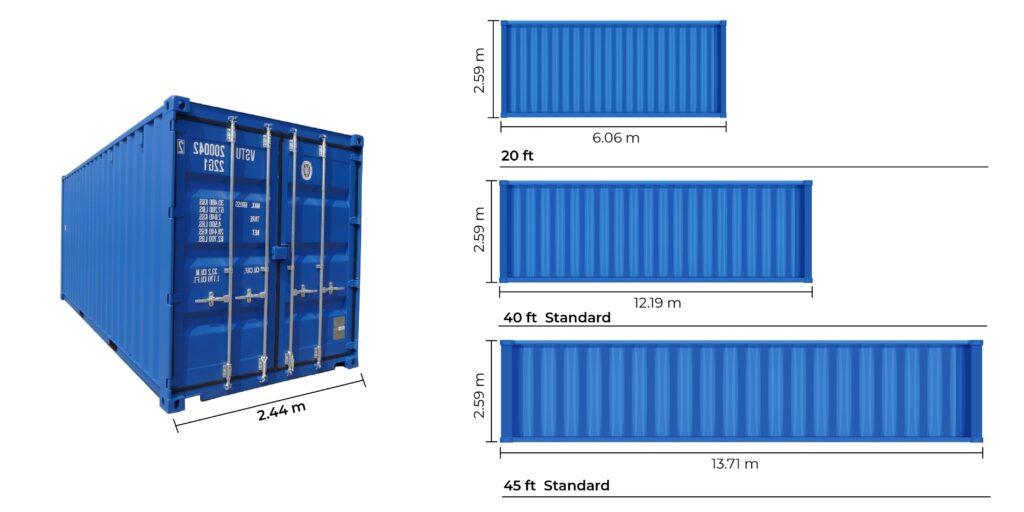
This section delves into the official ISO standards that govern the size and construction of twenty‑foot containers. The International Organization for Standardization (ISO) sets the benchmark for intermodal containers worldwide, ensuring uniformity across manufacturers and shipping lines.
Understanding the Impact of 20ft Shipping Container Dimensions on Interior Layout
The internal length of a standard container measures 19 feet 4 inches (5.898 meters) after accounting for the thickness of the end walls. This slight reduction from the external length is crucial when planning shelving or workstation placement. Designers must subtract approximately 8 inches from each end to avoid interference with the corner castings.
Moreover, the internal width is 7 feet 8 inches (2.337 meters), which influences the maximum width of pallets or equipment that can fit side by side. Standard Euro pallets (1.2 m × 0.8 m) can be arranged in two rows lengthwise, leaving a narrow central aisle. Consequently, optimizing aisle width becomes a key factor in warehouse‑style conversions.
Additionally, the internal height for a standard container is 7 feet 10 inches (2.387 meters), while high‑cube versions offer an extra foot, reaching 8 feet 10 inches (2.692 meters). This extra vertical space allows for mezzanine floors or taller storage racks without compromising headroom. As a result, high‑cube containers are often preferred for residential conversions where ceiling height matters.
Furthermore, the door opening dimensions—7 feet 8 inches wide by 7 feet 5 inches high—determine the largest object that can be loaded without dismantling the door seals. Knowing these numbers helps logistics planners decide whether to use a forklift, pallet jack, or manual handling. Therefore, every dimension plays a distinct role in the overall functionality of the container.
Common Uses for 20ft Containers
The versatility of the twenty‑foot unit makes it a favorite across industries. In the shipping sector, it serves as the workhorse for transporting dry goods, electronics, and textiles. Its standardized size allows easy stacking on container ships, railcars, and truck chassis.
In construction, contractors frequently convert these containers into site offices, storage sheds, or temporary workshops. The robust steel frame provides excellent protection against weather and theft, while the modular nature enables rapid deployment. Consequently, many disaster‑relief organizations rely on 20ft containers for emergency shelters.
Moreover, the retail sector has embraced container‑based pop‑up shops and cafés. Entrepreneurs appreciate the low initial cost, mobility, and industrial aesthetic that attracts customers. By modifying the interior with insulation, lighting, and plumbing, a simple steel box transforms into a functional commercial space.
Additionally, hobbyists and DIY enthusiasts use 20ft containers as foundations for tiny homes, art studios, or home gyms. The ability to cut windows, add doors, and install HVAC systems offers endless customization possibilities. As a result, the container movement continues to grow worldwide.
Modifications and Customizations
Adapting a container to specific needs often begins with structural alterations. Cutting openings for windows or doors requires reinforcing the surrounding steel to maintain strength. Engineers typically install steel lintels or box sections around the aperture to prevent deformation.
Furthermore, insulation is a critical step for climate control. Options include spray‑foam, rigid panels, or blanket insulation applied to the interior walls and ceiling. Proper insulation not only improves comfort but also reduces condensation, which can cause corrosion over time.
In addition, flooring upgrades range from marine‑grade plywood to interlocking vinyl tiles or polished concrete. Choosing the right finish depends on the intended use; for example, a workshop may benefit from oil‑resistant epoxy coating, while a residential unit might prefer warm laminate.
Moreover, electrical and plumbing installations must adhere to local building codes. Running conduit through the corrugated walls demands careful drilling to avoid damaging the structural ribs. Consequently, many builders opt for surface‑mounted raceways that simplify future maintenance.
Finally, exterior treatments such as paint, cladding, or green roofs enhance aesthetics and protect against rust. A fresh coat of marine‑grade paint extends the container’s lifespan, while living roofs provide insulation and stormwater management benefits.
Comparing 20ft Containers to Other Sizes
Understanding how the twenty‑foot unit stacks up against alternative sizes helps stakeholders select the right equipment for their needs. The most common counterparts are the ten‑foot, forty‑foot, and forty‑five‑foot containers.
A ten‑foot container offers half the length, making it suitable for tight urban spaces where maneuverability is limited. However, its reduced volume often necessitates multiple units to achieve the same storage capacity, increasing handling complexity.
Conversely, a forty‑foot container doubles the length, providing approximately 67 cubic meters of internal volume. This size benefits high‑volume shipping but requires specialized handling equipment and may face restrictions on certain roads or bridges.
The forty‑five‑foot variant adds extra length primarily for pallet optimization in North American markets. While it offers a modest capacity increase, its non‑standard length can complicate international shipping where forty‑foot remains the norm.
Furthermore, high‑cube versions of each size add an extra foot of height, significantly boosting cubic capacity without altering footprint. For many applications, choosing a high‑cube twenty‑foot container over a standard forty‑foot unit can yield comparable volume with greater flexibility in tight sites.
As a result, the twenty‑foot container remains the sweet spot for balancing capacity, maneuverability, and cost across a wide range of scenarios.
Cost Considerations
Acquiring a twenty‑foot container involves several cost factors beyond the purchase price. Market conditions, container age, and condition (new, used, or refurbished) heavily influence the final expense.
Typically, a new ISO‑standard twenty‑foot dry container ranges from $3,000 to $4,500, depending on the manufacturer and region. Used units in cargo‑worthy condition often sell for $1,500 to $2,500, while those classified as “as‑is” may dip below $1,000 but require significant repair.
Furthermore, modification expenses can quickly add up. Basic insulation and flooring might cost $500–$1,000, whereas a full residential build‑out with plumbing, kitchen, and bathroom can exceed $15,000. Consequently, budgeting should include both acquisition and conversion costs.
In addition, transportation fees depend on distance, mode, and any required permits. Moving a container via truck within a metropolitan area may cost $200–$400, while long‑distance rail transport could range from $500 to $1,200. Shipping overseas adds port handling charges and customs fees.
Moreover, ongoing expenses such as ground rent, maintenance, and insurance should be factored into the total cost of ownership. Regular inspections for rust, seal integrity, and floor condition help avoid unexpected repairs and extend the container’s service life.
Finally, many suppliers offer leasing options that reduce upfront capital outlay. Lease rates typically range from $75 to $150 per month, depending on term length and included services. This flexibility makes containers accessible for short‑term projects or seasonal businesses.
Shipping and Logistics
The global supply chain relies heavily on the predictable dimensions of twenty‑foot containers. Their standardized footprint allows seamless transfer between ships, trains, and trucks without repackaging.
When loading a container, weight distribution is crucial. The maximum payload is calculated by subtracting the tare weight from the maximum gross weight, typically yielding around 28,000 kg (61,700 lb) of cargo capacity. Placing heavy items near the floor and center minimizes the risk of tipping during transit.
Furthermore, securing cargo inside the container prevents shifting that could damage goods or compromise container integrity. Common methods include using straps, bars, or inflatable dunnage bags that fill void spaces. Proper securing also reduces the likelihood of accidents during handling.
In addition, documentation such as the Bill of Lading, packing list, and customs declaration must accurately reflect the container’s specifications. Discrepancies between declared and actual dimensions can lead to delays at borders or additional inspections.
Moreover, refrigerated (reefer) twenty‑foot containers add another layer of complexity. These units require a constant power supply to maintain temperature settings, and their dimensions include extra insulation that slightly reduces internal volume compared to dry containers.
As a result, mastering the logistical nuances of twenty‑foot containers ensures smooth operations from factory floor to final destination.
Legal and Regulatory Aspects
Deploying twenty‑foot containers for purposes beyond shipping often triggers local zoning, building, and safety regulations. Understanding these requirements prevents costly compliance issues.
Many municipalities treat container‑based structures as temporary buildings, necessitating permits for foundation work, electrical connections, and plumbing. Failure to obtain the appropriate approvals can result in fines or mandatory removal.
Furthermore, fire safety codes may require specific egress routes, smoke detectors, and fire‑rated materials when containers are used for habitation or commercial occupancy. Consulting with a fire marshal early in the design process helps align the project with local standards.
In addition, the International Convention for Safe Containers (CSC) plate affixed to each unit certifies that the container meets safety criteria for handling and stacking. Removing or altering this plate can void the certification and affect insurance coverage.
Moreover, environmental regulations may govern the disposal of old containers, especially those treated with hazardous paints or chemicals. Recycling facilities that specialize in steel scrap can process end‑of‑life containers responsibly.
Finally, accessibility laws such as the ADA in the United States require certain modifications for public‑use container facilities, including ramps, door widths, and accessible restrooms. Addressing these requirements early ensures inclusivity and avoids retrofitting costs.
Maintenance Tips
Regular upkeep extends the lifespan of a twenty‑foot container and preserves its structural integrity. A proactive maintenance schedule minimizes rust, seal degradation, and flooring wear.
First, inspect the exterior for signs of corrosion, particularly around welds, corner castings, and the CSC plate. Surface rust can be treated with a wire brush followed by a rust‑inhibiting primer and marine‑grade paint. Prompt attention prevents the spread of oxidation.
Second, check the door seals and gaskets for cracks or hardening. Replacing worn seals maintains weatherproofing and keeps dust or moisture from entering the interior. Lubricating the door hinges with a silicone‑based spray ensures smooth operation.
Third, examine the floor for delamination, rot, or damage from forklift traffic. Depending on the floor type, repairs may involve replacing plywood sections, applying epoxy filler, or installing new vinyl tiles. A solid floor supports heavy loads and prevents accidents.
Fourth, verify that ventilation openings are unobstructed. Proper airflow reduces condensation inside the container, which can lead to mold growth and corrosion of internal fixtures. Adding passive vents or turbine ventilators enhances air exchange without compromising security.
Fifth, monitor the roof for pooling water or debris accumulation. Standing water can accelerate rust formation, especially in areas where the protective coating has worn away. Clearing debris and applying a fresh coat of paint mitigates this risk.
Finally, keep a record of maintenance activities, including dates, materials used, and any issues noted. This log assists with warranty claims, resale valuation, and planning future upgrades.
Future Trends
The evolution of container technology continues to shape industries worldwide. Emerging trends promise to enhance efficiency, sustainability, and functionality of twenty‑foot units.
One notable development is the rise of smart containers equipped with IoT sensors. These devices monitor temperature, humidity, shock, and location in real time, providing valuable data for supply chain optimization. As connectivity costs decline, more operators are adopting smart retrofits for existing fleets.
Furthermore, modular construction is advancing with prefabricated container‑based buildings that integrate structural insulated panels (SIPs) and cross‑laminated timber (CLT). These systems improve thermal performance while reducing on‑site labor time.
In addition, sustainable materials such as bamboo flooring, recycled steel insulation, and low‑VOC paints are gaining popularity among eco‑conscious builders. These choices lower the environmental footprint of container projects without sacrificing durability.
Moreover, automated stacking systems at ports are being refined to handle twenty‑foot containers with greater precision, reducing turnaround times and minimizing human error. Robotics and AI-driven cranes promise safer, faster operations in high‑volume terminals.
Finally, regulatory bodies are exploring standardized guidelines for container‑based housing to address urban housing shortages. Clearer codes could accelerate the adoption of container homes as affordable, resilient dwellings.
As these trends mature, the twenty‑foot container will remain a versatile platform that adapts to changing demands while retaining its core strengths of durability and standardization.
Ready to Start Your Container Project?
Whether you need a storage, a pop‑up shop, or a custom living space, our team can help you navigate design, permitting, and construction.
Frequently Asked Questions
What are the exact external dimensions of a standard 20ft container?
The external dimensions of a standard ISO twenty‑foot container are 20 feet (6.096 meters) in length, 8 feet (2.438 meters) in width, and 8 feet 6 inches (2.591 meters) in height for the standard version. High‑cube models increase the height to 9 feet 6 inches (2.896 meters) while keeping length and width unchanged.
How much internal volume does a 20ft container provide?
A typical twenty‑foot dry container offers approximately 33.2 cubic meters (1,172 cubic feet) of internal volume. High‑cube versions increase this to about 37.2 cubic meters (1,313 cubic feet) due to the extra foot of height.
What is the maximum payload capacity of a 20ft container?
The maximum gross weight for a twenty‑foot container is generally 30,480 kg (67,200 lb). Subtracting the tare weight (around 2,200 kg) leaves a payload capacity of roughly 28,280 kg (62,300 lb). Exact values can vary slightly by manufacturer and container age.
Can I install windows and doors in a 20ft container without compromising its structure?
Yes, openings can be added, but they require reinforcement. Steel lintels or box sections should be installed around the cut to maintain strength. It is advisable to consult a structural engineer, especially for large openings, to ensure the container remains safe for stacking and handling.
Are 20ft containers suitable for use as permanent homes?
Many jurisdictions allow container‑based dwellings when they meet local building codes. Key considerations include proper insulation, ventilation, electrical and plumbing installations, and foundation requirements. With appropriate modifications and permits, a twenty‑foot container can serve as a comfortable, durable permanent home.
What maintenance steps prevent rust on a container?
Regularly inspect the exterior for early signs of corrosion, treat any rust with a wire brush, apply a rust‑inhibiting primer, and finish with marine‑grade paint. Keep drainage clear, ensure seals are intact, and touch up any scratched paint promptly to protect the underlying steel.
How does a high‑cube 20ft container differ from a standard one?
The primary difference is height. A standard container measures 8 feet 6 inches tall, while a high‑cube version reaches 9 feet 6 inches tall. This extra foot increases internal volume by about 4 cubic meters and provides more headroom for mezzanine floors or tall equipment.
What are the typical costs to convert a 20ft container into an office?
Conversion costs vary widely based on finish level. A basic office with insulation, flooring, lighting, and HVAC might range from $3,000 to $6,000. A high‑end fit‑out with premium finishes, custom cabinetry, and advanced technology can exceed $12,000.
Is it possible to stack 20ft containers safely?
Yes, containers are designed to be stacked when the corner castings align and the load does not exceed the maximum stack weight specified by the CSC plate. Proper twist locks or stacking cones must be used to secure each level, and the ground surface should be level and capable of supporting the combined weight.
Do 20ft containers require special permits for residential use?
Most localities treat container homes as accessory dwelling units or temporary structures, requiring building permits for foundations, utilities, and egress. It is essential to check with the local planning department before beginning construction to avoid compliance issues.
How does the CSC plate affect the use of a 20ft container?
The CSC (Container Safety Convention) plate certifies that the container meets international safety standards for handling, stacking, and transport. Removing or damaging this plate can void the certification, potentially affecting insurance coverage and the ability to use the container in intermodal shipping.
What future innovations could change how we use 20ft containers?
Emerging innovations include IoT‑enabled smart containers for real‑time monitoring, advanced modular building systems that integrate SIPs and CLT, and greener materials such as recycled steel insulation and bamboo flooring. Additionally, automated port stacking technology and evolving housing regulations may broaden residential and commercial applications.
