to Prepare Your Property for a Shipping Container Delivery
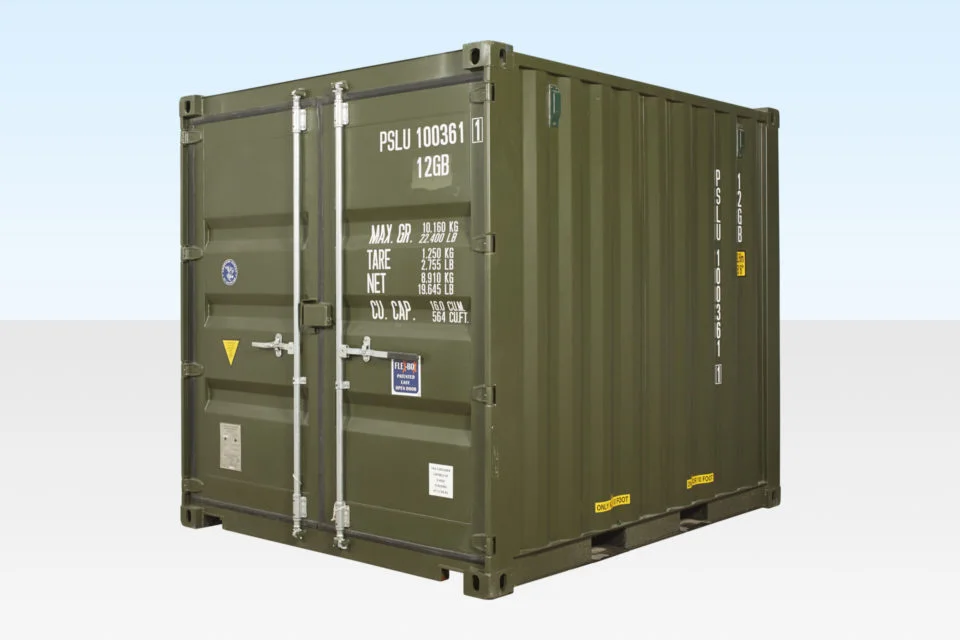
When you are ready to prepare for shipping container delivery, taking the right steps ahead of time ensures a smooth, seamless drop-off. Whether you are purchasing a shipping container for commercial inventory, job site storage, or a custom residential build, proper site preparation is the single most critical factor in a successful placement. At Ave Storage Container LLC, we want your experience—from your initial shipping shipment request to the final placement on your pad—to be completely hassle-free.
Navigating the logistics of modern container shipping USA requires understanding everything from truck maneuverability to local zoning laws. In this comprehensive guide, we will walk you through site prep, access roads, ground conditions, and the intricate details of a professional shipping container delivery service. Let’s dive in and make sure your property is fully prepared for your new unit.
1. Why Proper Site Preparation Matters for Your Drop-Off
When learning how to ship a shipping container and coordinate its final arrival, property owners often underestimate the sheer size and weight of the delivery vehicle. A fully loaded delivery truck with a 20-foot or 40-foot steel box weighs tens of thousands of pounds. Without adequate site prep, trucks can get stuck, ground can shift, and doors may jam due to an uneven foundation.
Investing time and effort into your site prep for shipping container placement prevents costly delays, equipment damage, and structural issues down the line. A level, stable foundation extends the lifespan of your unit by preventing rust-inducing water pooling and door misalignment.
2. Understanding Space Requirements and Clearance
Before scheduling any shipping container delivery service providers, you must measure your space accurately. Space requirements go beyond simply having a footprint that matches the dimensions of your container.
For a standard 20-foot container, you generally need about 60 feet of straight clearance in front of the drop zone so the truck can pull straight out. For a 40-foot container, you will need approximately 100 feet of straight clearance. If the truck cannot pull straight forward or back up in a straight line, offloading becomes exceedingly difficult or impossible.
3. How Are Shipping Containers Delivered?
Knowing how are shipping containers delivered helps you visualize the space required on your property. The two most common methods used by a professional shipping container delivery service are:
- Tilt-Bed Trucks: This is the most popular method. The truck bed tilts up like a dump truck, and the container slides off the back as the driver slowly pulls forward. This requires significant vertical and horizontal clearance.
- Roll-Off Trailers: Similar to roll-off construction dumpsters, these trailers use a winch system to guide the container safely to the ground.
- Crane Trucks (Knuckle Booms): Used when space is extremely tight or when the container needs to be placed over a fence or obstacle. While highly versatile, crane services typically involve a higher shipping container delivery service cost.
4. Assessing Overhead Clearance and Obstacles
One of the most common reasons a driver must abort a delivery is overhead interference. When you prepare for shipping container delivery, look up!
Check for low-hanging tree branches, utility lines, telephone cables, and architectural overhangs. Tilt-bed trucks require up to 15 to 20 feet of vertical clearance as the bed rises to slide the container off. If a power line or tree branch is in the path, contact your local utility company or trim the branches well before your scheduled delivery date.
5. Evaluating Access Roads and Turnaround Space
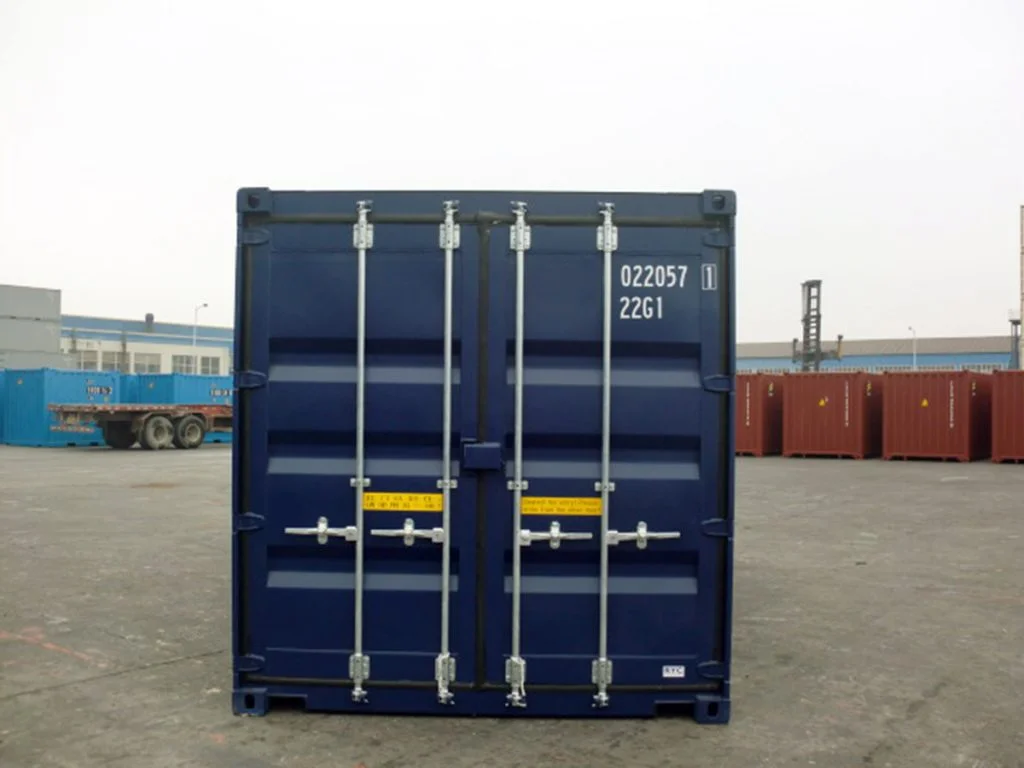
Your property might have enough space for the container, but does it have space for the truck? Standard delivery trucks are massive semi-trucks or heavy-duty flatbeds.
Consider the following road conditions leading to your drop site:
- Road Width: Narrow country lanes or tight residential streets might not accommodate wide trucks.
- Turn Radius: Can the driver make sharp turns into your driveway or gate without running over landscaping or mailboxes?
- Weight Limits: Seasonal road restrictions (such as spring thaw laws) can limit heavy truck traffic in certain municipalities across the United States and Canada.
6. Ground Conditions: Soil Stability and Load-Bearing
Shipping containers are heavy. A standard 20-foot unit weighs around 4,500 to 5,000 lbs empty, while a 40-foot unit can weigh up to 8,000 lbs or more.
When you prepare for shipping container delivery, remember that soft soil, mud, uncompacted gravel, or fresh asphalt can easily sink under the extreme weight of a loaded truck and the container corners. Ensure your ground is stable and compacted. If you live in an area prone to wet weather, lay down heavy plywood sheets or crushed stone pads for the truck to drive on.
7. Drainage Solutions for Your Container Site
Water is the ultimate enemy of steel storage units. Effective drainage prevents moisture accumulation beneath and around your unit, keeping rust at bay.
When planning your site prep for shipping container placement, ensure the ground slopes gently away from the container footprint. Avoid placing the container in a natural depression or low spot where rainwater pools. Elevating the corners of the container slightly using concrete blocks, railroad ties, or gravel piers facilitates optimal airflow underneath the floorboards.
8. Do You Need Planning Permission for a Shipping Container?
A common question buyers ask is, do you need planning for shipping container placement? The answer depends entirely on your local zoning laws, municipal ordinances, and homeowners association (HOA) covenants.
Some municipalities treat storage containers as temporary structures, while others classify them as permanent buildings requiring permits, especially if you plan to install electrical wiring or plumbing. Always check with your local zoning office weeks before purchasing a shipping container to avoid costly fines or mandatory relocation orders.
9. Choosing the Right Foundation: Gravel, Concrete, or Piers?
Selecting a foundation depends on your budget, soil type, and how long the container will remain on-site. Here are the most popular foundation options:
- Crushed Gravel Pad: Inexpensive, highly effective, and allows for excellent drainage. A 4-to-6-inch deep bed of compacted gravel is the industry gold standard.
- Concrete Slab: Ideal for permanent workshops, offices, or living spaces. It provides a perfectly level, impenetrable barrier against pests and moisture.
- Concrete Piers or Railway Ties: Placed at the four corners (and midpoints for 40-foot units), these elevate the container to prevent ground contact and allow air circulation.
10. Breaking Down the Shipping Container Cost to Prepare
Budgeting for your project requires factoring in the shipping container cost to prepare your site. While buying the container is the main expense, site prep costs vary based on what materials you use.
- DIY Gravel Pad: $300 – $800 (for gravel, lumber, and machinery rental).
- Professional Grading & Excavation: $1,000 – $3,000+ (depending on the complexity of your land).
- Concrete Slab: $2,000 – $6,000+ (depending on thickness and square footage).
- Permit Fees: $50 – $500 (depending on your local municipality).
11. Navigating Shipping Container Delivery Service Options
When booking through a reputable provider like Ave Storage Container LLC, you will have access to various shipping container delivery service options.
Be sure to discuss whether you need the doors facing the cab or the rear of the trailer. This orientation dictates how the driver must load the container at the depot. If you have restricted space, letting your dispatcher know in advance ensures they send the most appropriate truck configuration—whether that’s a tilt-bed, flatbed, or side-loader.
12. Understanding Shipping Container Delivery Service Costs
What influences the shipping container delivery service cost? Several variables determine your final invoice:
- Distance: Mileage from the nearest depot to your exact drop location.
- Accessibility: Difficult terrains or sites requiring specialized crane trucks increase labor and equipment fees.
- Driver Wait Time: If the site is not ready upon the driver’s arrival, hourly wait fees typically apply. Clear preparation avoids these surprise expenses.
13. International vs. Domestic: How to Ship a Shipping Container
If you are engaging in global trade or moving cargo across oceans, understanding container shipping USA protocols is vital. International shipments require strict adherence to customs regulations, structural integrity certifications (such as a valid CSC plate), and specialized prepared food shipping containers or dry vans depending on your cargo.
For domestic moves, working with local logistics coordinators ensures your container moves seamlessly from port or depot directly to your commercial or residential property via a trusted package delivery USA network.
14. How to Open a Shipping Container Like a Pro
Once your unit is safely on the ground, you might wonder how to open a shipping container if the locking bars feel stiff. Brand new or freshly transported containers feature heavy-duty rubber gaskets and multi-point cam-and-lock mechanisms designed for airtight security.
To open the doors smoothly:
- Pull down the locking handles away from the vertical locking bars.
- Rotate the handles to release the cams from their keepers.
- Pull both doors outward simultaneously. Pro Tip: If the container is sitting on slightly uneven ground, the frame can rack slightly, making the doors hard to open. Adjusting the shims under the corners quickly resolves this issue.
15. Tips for Starting a Shipping Container Business
Many entrepreneurs look into how to start a shipping container business—whether modifying units into tiny homes, pop-up shops, or offering local storage rentals. Success in this booming industry relies on establishing reliable supply chains, mastering site logistics, and partnering with dependable logistics brokers to handle safe customer drop-offs every single time.
16. Preparing Packages for Shipping vs. Container Storage
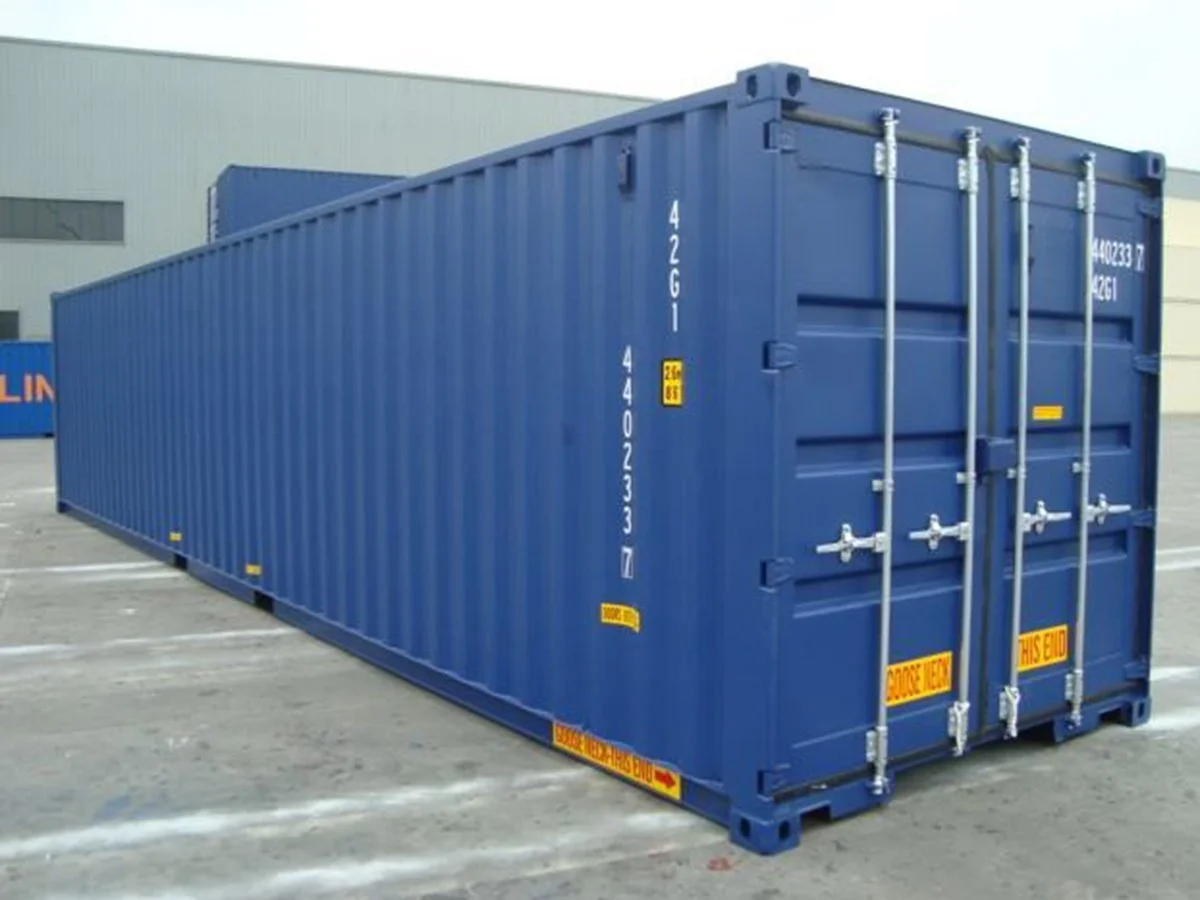
If you are utilizing your container for freight forwarding or e-commerce fulfillment, distinguishing between preparing packages for shipping and bulk container loading is essential. Properly palletizing, shrink-wrapping, and securing cargo inside the container with dunnage bags and lashing straps prevents shifting during transit.
Frequently Asked Questions (FAQs)
1. What do I need to do to prepare for shipping container delivery?
To properly prepare for shipping container delivery, ensure your site is completely level, the ground is firm enough to support a heavy truck, and you have clear overhead and straight-line clearance for the drop-off vehicle.
2. How much space does a delivery truck need to drop off a 20-foot container?
A tilt-bed truck requires approximately 60 feet of straight clearance in front of the drop zone to pull out safely as the container slides off the back.
3. Can a delivery truck drive on my lawn?
It is not recommended. Heavy delivery trucks weigh up to 30,000+ pounds when loaded with a container and will easily get stuck or ruin landscaping in soft soil or wet lawns.
4. What is the best foundation for a shipping container?
A compacted 4-to-6-inch bed of crushed gravel is widely considered the best, most cost-effective foundation because it provides stability and superior drainage.
5. Do I need a permit before purchasing a shipping container?
Permit requirements vary by city, county, and HOA guidelines. Always check with your local zoning office to determine if do you need planning for shipping container placement in your specific neighborhood.
6. How are shipping containers delivered to residential properties?
Most residential deliveries utilize tilt-bed trucks or roll-off trailers that slide the container gently onto the ground as the truck pulls forward.
7. What factors influence the shipping container delivery service cost?
The total cost depends on travel distance from the depot, site accessibility, local permit fees, and whether specialized equipment like a crane truck is required.
8. How do I know if my ground is stable enough for site prep for shipping container placement?
If the soil retains water, stays muddy, or yields under the weight of a standard car, it is not stable enough. You will need to lay down crushed stone or timber mats.
9. Why are my shipping container doors hard to open after delivery?
This usually indicates that the container is sitting on an uneven surface, causing the steel frame to twist slightly (racking). Adjusting the shims or leveling blocks underneath the corners will align the doors.
10. Can I get a container delivered if there are power lines overhead?
Usually no. Tilt-bed trucks need up to 15 to 20 feet of vertical clearance. Low-hanging power lines or tree branches present a severe safety hazard and will prevent delivery.
11. How much does a shipping container weigh empty?
A standard 20-foot dry van weighs approximately 4,500 to 5,000 lbs, while a standard 40-foot unit weighs around 8,000 lbs.
12. Can a shipping container be placed directly on grass or dirt?
While possible, it is discouraged. Direct contact with soil traps moisture against the steel underside, accelerating rust and accelerating floorboard rot.
13. What is the difference between a 20-foot and 40-foot container delivery?
The primary difference is the required straight clearance length. A 40-foot container delivery requires roughly 100 feet of straight path for the truck and trailer combo.
14. How do I schedule a shipping shipment request with Ave Storage Container LLC?
You can easily coordinate your purchase and delivery by visiting our official shipping container delivery service page to speak with our logistics experts.
15. Are there specific delivery container for packages solutions available?
Yes, smaller customized units or specialized mini-containers are often used for secure package receiving and residential parcel drop-offs.
Conclusion
Taking the time to properly prepare for shipping container delivery is the ultimate key to a successful, stress-free installation. By evaluating your ground conditions, ensuring adequate overhead and straight-line clearance, and establishing a stable gravel or concrete foundation, you protect your investment from day one. When you are ready to experience top-tier customer care and reliable logistics for your next project, explore our professional shipping container delivery service at Ave Storage Container LLC and let our team get your storage solution safely on-site.