 Skip to content
 Best Shipping Container for Storage: Transform Your Space with Proven Solutions
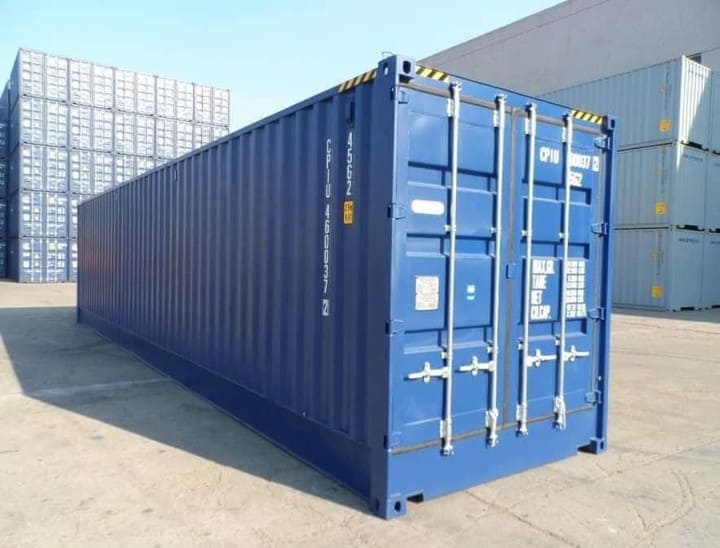
Best Shipping Container for Storage offers a rugged, cost‑effective answer to anyone needing secure, weather‑proof space. Whether you are a homeowner tackling a garage overflow, a contractor storing tools on a job site, or a business owner looking for portable inventory, the right container solves the problem instantly. In the following guide we break down every factor that determines which unit truly earns the title of the Best Shipping Container for Storage for your unique situation.
Key Takeaways
- Best Shipping Container for Storage must be constructed of Corten steel with proper ISO certification for durability.
- Size selection (20‑ft, 40‑ft, high‑cube) directly impacts usable volume and site logistics.
- Inspect door seals, locking mechanisms, and floor condition before purchase or rental.
- Consider insulation, ventilation, and custom shelving to adapt the container to specific storage needs.
- Prepare a level, well‑drained foundation and verify local zoning rules to avoid costly setbacks.
Understanding Your Storage Requirements
Before you search for the Best Shipping Container for Storage, clarify what you intend to keep inside. Are you storing seasonal furniture, construction equipment, documents, or perhaps a mobile workshop? Each use case demands different dimensions, door types, and interior modifications. For example, bulky items like machinery benefit from a 40‑ft container with double doors, while documents may only need a 20‑ft unit with added shelving. Defining these parameters early prevents overspending on unnecessary features.
Furthermore, think about access frequency. If you will retrieve items daily, a side‑opening door or roll‑up door saves time compared to standard end doors. Conversely, if the container will sit untouched for months, a basic configuration suffices. Also consider climate control; items sensitive to temperature or humidity may require insulation, vapor barriers, or even a mini‑split HVAC system. By mapping out these needs, you create a clear specification sheet that guides every later decision.
Types of Shipping Containers Available on the Market
The market offers several container classifications, each suited to different storage scenarios. The most common are general purpose dry containers, which come in 20‑ft and 40‑ft lengths with standard 8‑ft height. High‑cube variants add an extra foot of height, providing roughly 13% more volume without increasing footprint. Specialized containers include open‑top units for oversized cargo, flat racks for machinery, and refrigerated reefers for perishable goods. Understanding these categories helps you narrow down which model aligns with your storage goals.
Moreover, container grades indicate condition and longevity. “One‑trip” containers have only made a single overseas journey and appear almost new, while “cargo worthy” units are still seaworthy but may show wear. “Wind and water tight” (WWT) containers keep out rain but might have minor corrosion, making them suitable for dry storage only. Finally, “as is” units are the most affordable but often require repair before safe use. Choosing the right grade balances budget with expected lifespan.
Best Shipping Container for Storage: Key Features to Look For
When evaluating candidates for the Best Shipping Container for Storage, focus on five core attributes that determine performance and value. First, structural integrity: the steel must be Corten‑grade with minimal rust and no significant dents. Second, weatherproofing: seals around doors and vents should be intact to prevent water ingress. Third, security: robust locking bars, lock boxes, and tamper‑proof hinges deter theft. Fourth, flooring: a solid, untreated wood or steel floor supports heavy loads without sagging. Fifth, modularity: the ability to add shelving, lighting, or HVAC without compromising the container’s envelope.
Furthermore, verify that the container carries a valid CSC (Container Safety Convention) plate, indicating it has passed international safety inspections. This plate also provides the maximum gross weight and tare weight, essential for calculating payload capacity. Additionally, inspect the interior for any hazardous residue or odors that could contaminate stored goods. A clean, neutral interior simplifies later customization and ensures compliance with health regulations.
Best Shipping Container for Storage: Size and Dimensions Guide
Selecting the appropriate size is perhaps the most decisive factor in acquiring the Best Shipping Container for Storage. The standard 20‑ft container measures 20 ft long, 8 ft wide, and 8 ft high, offering roughly 1,170 cubic feet of interior volume. A 40‑ft container doubles the length to 40 ft while keeping width and height unchanged, yielding about 2,390 cubic feet. High‑cube versions retain the same length but increase height to 9 ft 6 in, boosting capacity to approximately 2,690 cubic feet for a 40‑ft high‑cube unit.
Moreover, consider the door opening dimensions. Standard end doors are 7 ft 8 in wide and 7 ft 5 in tall, which accommodates most pallets and furniture. If you need wider access, look for containers with side doors or modified end openings. Keep in mind that internal usable space is slightly less than the gross dimensions due to corrugated walls and floor thickness—typically a reduction of 3‑4 inches on each side. Accurate measurement prevents unpleasant surprises when loading large items.
Material and Build Quality
The steel composition directly influences how well the container endures time and weather. Corten steel, also known as weathering steel, forms a stable rust‑like patina that protects the underlying metal from deeper corrosion. This self‑healing property makes it ideal for outdoor storage where paint may chip. Additionally, check the thickness of the sidewalls and roof; typical gauges range from 14 mm to 16 mm for general purpose containers. Thicker gauges resist dents from forklift impacts and stacking pressure.
Furthermore, examine the corner castings—they are the strongest points and bear the load when containers are stacked. Any cracks or deformities here compromise structural safety. The floor usually consists of 1‑1/4‑inch thick marine plywood or steel grating; ensure it is free of rot, insect damage, or excessive warping. A solid floor distributes weight evenly and prevents sagging under heavy loads such as machinery or stacked pallets.
Door Options and Security
Door configuration affects both accessibility and protection. Standard double doors swing outward and require ample clearance; they are simple, reliable, and inexpensive to maintain. Roll‑up doors, similar to garage doors, provide vertical opening and save side space, making them suitable for tight sites. Side‑opening doors grant full width access, ideal for loading long items like lumber or pipes without angling.
Moreover, security features should not be overlooked. Look for containers equipped with lock boxes that shield padlocks from bolt cutters. Internal locking bars that engage when the doors are closed add another layer of defense. Some suppliers offer smart lock systems that integrate with mobile apps for remote monitoring. Pairing these mechanisms with a well‑lit site and visible deterrents dramatically reduces theft risk.
Evaluating Condition: New vs Used Containers
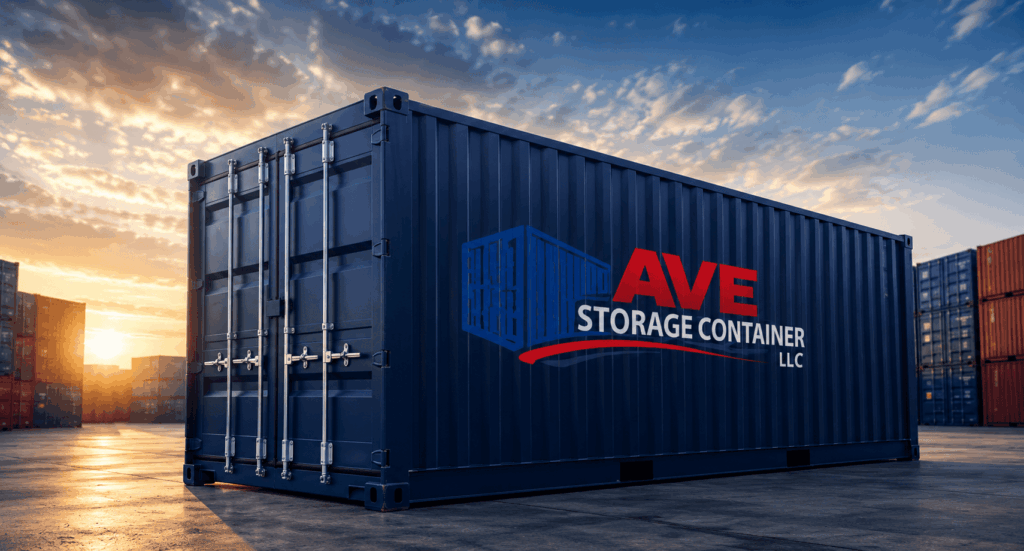
Deciding between a brand‑new “one‑trip” unit and a used cargo‑worthy container hinges on your budget and intended use duration. One‑trip containers have typically made a single voyage from Asia to North America and exhibit minimal wear, often appearing almost factory fresh. They command a premium price—roughly 20‑30 % higher than used units—but deliver maximum lifespan, often exceeding 25 years with proper maintenance.
Conversely, used cargo‑worthy containers have spent several years in global shipping loops. They retain structural integrity and are still seaworthy, making them excellent for static storage. Prices vary widely based on age, grade, and regional demand; you can expect to pay between $1,500 and $3,000 for a 20‑ft unit in good condition. Inspect for rust patches, especially around seams and corner castings, and verify that door gaskets remain pliable. If the container will stay indoors or under a canopy, a used unit often provides the best value.
Cost Analysis: Purchase vs Rental
Financial planning is crucial when acquiring the Best Shipping Container for Storage. Purchasing outright eliminates recurring fees and grants full control over modifications. Average purchase prices (as of 2024) are: 20‑ft general purpose $2,200‑$2,800, 40‑ft $3,800‑$4,800, and 40‑ft high‑cube $4,200‑$5,300. These figures include delivery to a nearby depot but exclude site preparation and customization.
Furthermore, rental options provide flexibility for short‑term projects. Monthly rates typically range from $75 to $150 for a 20‑ft container, depending on location and length of commitment. Long‑term leases (12 months +) often negotiate lower per‑month costs, sometimes approaching $60. However, rentals limit structural changes; you cannot cut holes for windows or install permanent shelving without landlord approval. Calculate the break‑even point: if you need the container for more than 18‑24 months, buying usually saves money.
Site Preparation and Installation
Proper site preparation ensures the container remains level, dry, and accessible. Begin by selecting a location with good drainage; avoid low‑lying spots where water pools after rain. A compacted gravel base, at least 4‑6 inches deep, provides stability and prevents moisture wicking into the floor. For permanent installations, consider pouring a concrete slab reinforced with rebar; this offers the highest load‑bearing capacity and deters shifting.
Moreover, verify local zoning ordinances and homeowner association rules before placement. Some jurisdictions require a permit for structures exceeding a certain size or for containers used as habitable space. Utility access—such as electricity for lighting or HVAC—should be planned early; conduit can be run beneath the gravel base or through pre‑drilled holes in the wall. Finally, leave at least 3‑foot clearance around the container for ventilation, maintenance, and emergency access.
Customization Ideas for Storage
One of the greatest advantages of using a shipping container as storage is the ease of customization. Start with interior organization: install adjustable steel shelving along the walls to maximize vertical space. Use heavy‑duty pallet racks if you plan to store bulk goods on pallets. For workshop applications, add a workbench, pegboard for tools, and overhead lighting powered by a solar panel kit or a generator hookup.
Furthermore, consider climate control solutions. Insulate the interior walls with spray foam or rigid foam boards, then cover with plywood for a finished look. Install a whirlybird turbine vent or a powered exhaust fan to reduce condensation. In extreme climates, a mini‑split air conditioner provides both heating and cooling while maintaining a sealed environment. Security upgrades such as motion‑sensing lights, alarm systems, and GPS trackers further protect valuable assets.
Maintenance and Longevity
Even the most robust container benefits from routine maintenance to reach its full service life. Conduct a visual inspection every six months, focusing on the roof, corners, and door seals. Look for signs of rust, especially where paint has chipped; treat affected areas with a rust converter and apply a fresh coat of marine‑grade exterior paint. Lubricate door hinges and locking mechanisms with a silicone‑based spray to prevent seizing.
Furthermore, keep the interior dry by checking for leaks after heavy rain. If moisture accumulates, identify the source—often a compromised seal or a damaged roof panel—and repair it promptly. Ensure the foundation remains level; settling can cause door misalignment and stress on the frame. Re‑level the gravel base or adjust concrete shims as needed. By following these simple steps, a well‑maintained container can easily exceed 25 years of reliable storage.
Real‑Life Use Cases
To illustrate the versatility of the Best Shipping Container for Storage, consider three common scenarios. First, a suburban homeowner converts a 20‑ft container into a garden tool shed, adding shelving, a pegboard, and a sliding side door for easy lawn‑mower access. Second, a construction company deploys a 40‑ft high‑cube unit on a job site to store lumber, steel beams, and safety equipment, benefiting from the container’s lockable doors and weatherproof exterior. Third, an e‑commerce retailer uses a pair of 20‑ft containers as a micro‑fulfillment center, installing climate control, barcode scanners, and conveyor belts to streamline order packing.
Furthermore, disaster relief organizations rely on containers as mobile medical clinics or temporary housing units, leveraging their rapid deployment and stackability. Artists and entrepreneurs have transformed containers into pop‑up retail studios, coffee bars, or art galleries, proving that with creative thinking, the Best Shipping Container for Storage transcends mere utility and becomes a platform for innovation.
Frequently Asked Questions
What makes a shipping container the best choice for long‑term storage?
A shipping container excels in long‑term storage due to its Corten‑steel construction, which resists corrosion, and its ISO‑certified dimensions that guarantee structural strength. The sealed design keeps out water, pests, and dust, while the modular nature allows for easy customization with shelving, lighting, or climate control. Compared to traditional wooden sheds, containers offer superior security, fire resistance, and a lifespan that often exceeds 25 years with minimal maintenance.
How do I determine the right container size for my storage needs?
Begin by estimating the total volume of items you plan to store, then add roughly 20 % extra space for aisles and future growth. A standard 20‑ft container provides about 1,170 cubic feet, suitable for household goods, seasonal equipment, or small business inventory. If you need to store pallets, vehicles, or large machinery, a 40‑ft unit (≈2,390 cu ft) or a 40‑ft high‑cube (≈2,690 cu ft) offers the necessary length and height. Always measure the largest item’s dimensions to ensure it fits through the door opening.
Are there any legal restrictions on placing a shipping container on my property?
Regulations vary by municipality, but many areas treat shipping containers as accessory structures. You may need a permit if the container exceeds a certain size, is intended for habitation, or will remain in place for more than 180 days. Some homeowner associations prohibit visible containers due to aesthetic concerns. Before purchase, consult your local planning office or zoning department to verify setback requirements, foundation standards, and any needed inspections.
Can I insulate a shipping container for temperature‑sensitive storage?
Yes, insulating a shipping container is both common and highly effective. Options include spray‑foam insulation applied directly to the interior steel, rigid foam boards fitted between studs, or insulated panels that snap into place. Pair insulation with a vapor barrier to prevent condensation, and consider adding a mini‑split HVAC system or a dehumidifier for active climate control. Properly insulated containers maintain stable temperatures, protecting items such as electronics, pharmaceuticals, or wine collections.
What maintenance steps prolong the life of a storage container?
Perform biannual inspections of the roof, corners, and door seals, treating any rust with a converter and repainting with marine‑grade paint. Lubricate hinges and locking mechanisms, keep the foundation level and well‑drained, clear debris from vents to ensure airflow. Inside, sweep out dirt and moisture, and check for signs of pest intrusion. By following these simple routines, a container can remain serviceable for decades.
Ready to Secure Your Storage Solution?
Invest in a Best Shipping Container for Storage today and enjoy unmatched durability, flexibility, and peace of mind. Click the button below to get a free quote and start your project.
In summary, selecting the Best Shipping Container for Storage involves a careful evaluation of size, material, condition, accessories, and site preparation. By following the guidelines outlined above, you can confidently choose a unit that not only meets your immediate storage demands but also adapts to future needs. Whether you opt for a brand‑new one‑trip container or a well‑maintained used unit, the investment pays off through years of secure, weather‑proof, and versatile storage. Take the next step, customize your container to perfection, and enjoy the freedom that comes with having a reliable, portable warehouse at your fingertips.
