 Skip to content
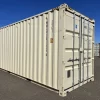
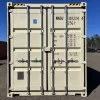
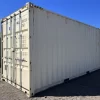
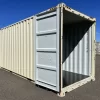
20ft Standard Height Storage Container – Durable, Secure, and Affordable Portable Storage Solutions

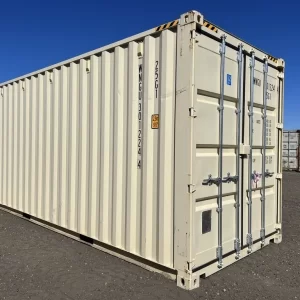
The 20ft Standard Height Storage Container represents the gold standard in portable storage solutions for businesses, contractors, and property owners across North America.
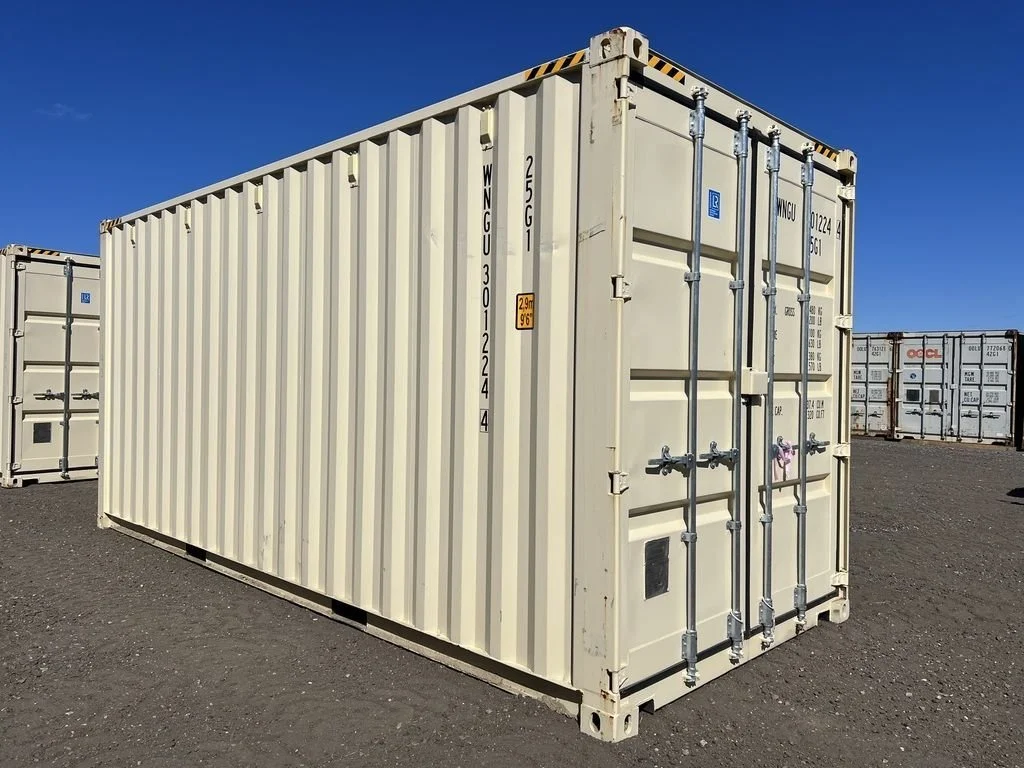
Measuring approximately 20 feet in length with a standard interior height of 7’6″, these industrial-grade steel containers provide 1,170 cubic feet of secure storage capacity—equivalent to storing the contents of a three-bedroom home or up to 10,000 pounds of equipment, inventory, or materials.
Why Choose This Container
Industrial-Grade Steel Construction
The 14-gauge corrugated steel walls and 12-gauge steel frame posts create a structure capable of withstanding significant external pressure and impact. This industrial-grade construction ensures your valuable equipment, tools, and materials remain protected from accidental damage, unauthorized access, and environmental hazards.
Unlike wooden sheds or fabric-covered alternatives, steel storage containers maintain their structural integrity even under extreme weather conditions, providing peace of mind that your possessions remain secure regardless of external circumstances.
The marine-grade steel flooring—typically 3/4 inch thick marine plywood over steel cross members—supports heavy loads including machinery, pallets of inventory, and construction equipment without sagging or structural compromise. This floor construction exceeds what most traditional storage buildings offer, making these containers suitable for industrial applications where weight capacity matters.
Weather-Resistant Storage
Every 20ft Standard Height Storage Container features weather-resistant steel construction with factory-installed rubber seals around door openings and vented steel grating systems that promote air circulation while preventing moisture accumulation. These design elements keep your stored items dry and protected during heavy rain, snow, humidity, and temperature fluctuations.
The corrugated steel exterior design channels water away from door seals, while the elevated floor design—typically 8-10 inches above ground level—prevents flooding and water intrusion from saturated ground conditions.
For construction sites in regions with significant precipitation, agricultural storage in humid climates, or any application where protecting items from moisture damage matters, these weather-resistant features deliver proven protection that traditional storage buildings cannot match.
Secure Lockbox Protection
Security represents a primary concern for anyone storing valuable equipment, tools, or inventory. Our 20ft Standard Height Storage Containers feature heavy-duty lockbox protection systems that shield your padlock from bolt cutters, hammers, and other tampering attempts. The lockbox housing encases the locking mechanism within reinforced steel, requiring potential thieves to use time-consuming power tools that create significant noise and attention.
The solid steel doors—typically 3/16 inch thick—resist forced entry attempts more effectively than wooden structures or lightweight metal sheds. Combined with the inherent difficulty of moving a 3,000+ pound steel container, these security features create meaningful deterrence against theft.
For contractors storing expensive tools overnight, businesses keeping valuable inventory on-site, or anyone requiring secure storage without monthly storage facility fees, the built-in security advantages prove invaluable.
Easy Transportation and Placement
The standardized 20ft dimensions align with commercial trucking infrastructure, enabling efficient delivery throughout North America. Standard container chassis trucks, roll-back wreckers, and specialized container delivery equipment handle these units routinely, ensuring predictable delivery costs and scheduling availability.
The 20ft length represents the most commonly transported container size in North America, meaning logistics networks handle these units efficiently.
At approximately 3,000-4,800 pounds (depending on condition grade and specifications), these containers can be placed using various methods—from crane deployment for permanent installations to roll-off placement for temporary sites.
This placement flexibility means you can position the container exactly where you need it, whether beside a construction site building, behind a commercial property, or in a residential backyard. The standardized design also means these containers can be stacked two-high when vertical space allows, multiplying your storage capacity within the same ground footprint.
Long Service Life
When properly maintained, a quality 20ft Standard Height Storage Container provides 15-25 years of reliable service life, making it a sound long-term investment. The corrosion-resistant steel construction, combined with available rust-inhibiting treatments and regular maintenance, ensures decades of trouble-free operation.
Unlike wooden structures requiring constant repair, replacement, and treatment for rot, insects, and weather damage, steel containers need minimal ongoing maintenance.
Annual inspections, simple cleaning, and occasional touch-up painting for cosmetic purposes represent the typical maintenance requirements—significantly less than traditional storage building maintenance over the same period. This long service life translates to lower total cost of ownership despite the higher initial investment.

Cost-Effective Investment
Comparing the total cost of ownership between a 20ft Standard Height Storage Container and traditional storage solutions reveals significant advantages. Monthly self-storage fees average $150-300 per month depending on location, meaning a typical three-year storage need costs $5,400-10,800 in rental fees alone—with no equity building and continuous payment obligations.
Purchasing a 20ft storage container represents a one-time investment that builds equity while eliminating ongoing storage costs. After two to four years, your container becomes free storage compared to continuing rental payments.
For businesses with ongoing storage needs, this cost comparison often favors container ownership within the first year of use. Additionally, containers can be resold after use, recovering 30-60% of the original purchase price depending on condition and market conditions.
Flexible Installation Options
20ft Standard Height Storage Containers accommodate various installation configurations to meet specific site requirements. Ground-level placement works for temporary installations or sites with prepared surfaces. Concrete block or steel pier foundations create permanent installations suitable for long-term deployments. Elevated platforms address sites with flooding concerns or uneven terrain.
The standardized exterior dimensions—20ft length × 8ft width × 8ft 6in height—ensure compatibility with standard foundation sizes, delivery equipment, and site preparation requirements. This standardization means you can plan site improvements knowing the container specifications will match standard equipment and construction approaches. For complex sites, professional container dealers often provide site assessment and installation consultation services.
Ideal Uses
Construction Storage
Construction sites present demanding storage requirements—equipment worth thousands of dollars sits unattended overnight, weather can damage sensitive materials, and security concerns plague job sites across the industry. A 20ft Standard Height Storage Container addresses these challenges directly, providing secure, weather-resistant storage for tools, equipment, materials, and temporary office space.
Contractors use these containers to store power tools, pneumatic equipment, safety gear, and valuable instruments overnight and between projects. The weather-resistant interior keeps materials dry regardless of precipitation, while the security features deter theft that costs construction companies thousands annually.
Construction companies report that single container units pay for themselves within months through reduced equipment replacement costs, tool theft prevention, and eliminated rental fees previously paid to self-storage facilities.
The 20ft length fits conveniently at job site edges, temporary fencing perimeters, or designated storage areas without interfering with construction operations. The substantial storage capacity accommodates enough equipment for multiple crews or extended project timelines, reducing the need for repeated equipment transportation between central storage and job sites.
Farm Equipment Storage
Agricultural operations require storage for seasonal equipment, chemicals, supplies, and harvested crops—items that need protection from weather, pests, and temperature variations. 20ft Standard Height Storage Containers provide flexible solutions for farming operations of all sizes, from small family farms to large agricultural enterprises.
Farmers use these containers to store tractors, implements, tools, and replacement parts during off-seasons, keeping expensive equipment protected from weather damage that shortens service life.
Chemical storage for fertilizers, herbicides, and pesticides benefits from the weather-resistant, ventilated interior that keeps potentially hazardous materials protected from temperature extremes and moisture. Harvest storage—particularly for crops requiring dry, protected conditions—benefits from the controlled environment these containers provide.
The remote locations typical of agricultural operations make security features particularly valuable. Standard storage facilities may be hours away from farm locations, making daily access impractical. On-farm container storage places equipment where farmers need it, when they need it, while eliminating travel time and monthly storage fees.
Business Inventory Storage
Commercial businesses across industries require inventory storage solutions that balance security, accessibility, and cost-effectiveness. 20ft Standard Height Storage Containers provide flexible options for businesses needing additional storage without committing to commercial warehouse leases or ongoing self-storage payments.
Retail businesses store seasonal inventory, promotional materials, and overflow stock in container units positioned at store locations or dedicated storage lots. The weather-protected interior keeps inventory in saleable condition, while the security features prevent theft that directly impacts business profitability. E-commerce businesses use containers for inventory storage, order fulfillment staging, and packing operations, creating flexible distribution capabilities without warehouse lease commitments.
The substantial cubic capacity—approximately 1,170 cubic feet—accommodates significant inventory volumes. A typical retail business can store thousands of units of seasonal merchandise, promotional materials, or backup stock, reducing dependence on expensive commercial warehouse space. The accessibility of on-site container storage also improves operational efficiency compared to distant warehouse locations.
Retail Overflow Storage
Retail operations frequently face inventory overflow situations—seasonal merchandise arrives in volumes exceeding store display capacity, promotional campaigns require backup stock storage, and clearance items need temporary holding locations. 20ft Standard Height Storage Containers provide immediate overflow storage without the commitments and costs associated with permanent warehouse additions.
Store managers appreciate the flexibility of container overflow storage. Units can be placed in parking lots, back alleys, or designated storage areas, providing immediate additional capacity when needed and removal when not required. This flexibility proves particularly valuable for seasonal businesses—retailers can add storage capacity during peak seasons and remove it during slower periods, matching storage costs to actual business needs.
The weather-protected interior maintains merchandise quality during overflow storage periods, whether items wait for shelf space, seasonal selling periods, or transfer to other locations. Retailers report significant savings compared to self-storage rental fees for equivalent capacity, with improved accessibility compared to distant warehouse locations.
Emergency Storage
Natural disasters, emergencies, and unexpected situations create storage needs that traditional solutions cannot address quickly. 20ft Standard Height Storage Containers provide rapid-deployment storage capabilities for emergency situations, from natural disaster relief to pandemic response and community support applications.
Government agencies and non-profit organizations use container units for emergency supply storage, distribution staging, and temporary shelter support.
The weather-resistant, secure interior protects emergency supplies—food, water, medical equipment, blankets, and hygiene supplies—from environmental damage while maintaining security against theft. The rapid deployment capabilities mean containers can be positioned within days of emergency declaration, providing immediate storage infrastructure for response operations.
Community organizations use containers for disaster preparedness, positioning units with emergency supplies before disasters strike. The long service life and low maintenance requirements make container-based emergency preparedness programs cost-effective investments that provide capabilities when needed. Municipalities, counties, and regional agencies increasingly incorporate container storage into emergency management plans.
Residential Storage
Homeowners increasingly recognize the value of on-site container storage for decluttering, renovation projects, seasonal item storage, and flexible space creation. The 20ft Standard Height Storage Container provides residential-scale storage capacity that addresses homeowner needs without the ongoing costs and accessibility limitations of self-storage facilities.
Homeowners use containers during renovation projects, storing furniture, appliances, and household items safely while construction proceeds. The weather-protected interior keeps stored items clean and undamaged, while the security features provide protection that open storage cannot match.
Seasonal item storage—holiday decorations, summer furniture, winter equipment—finds appropriate long-term storage in container units positioned in backyards or designated areas.
The manageable dimensions fit comfortably on residential properties without requiring special permits or major site modifications in most jurisdictions.
Homeowners report that container storage eliminates monthly self-storage fees while providing closer, more accessible storage for items needed throughout the year. The one-time investment approach also appeals to homeowners seeking to avoid ongoing rental expenses for storage units they use regularly.
Product Specifications
| Specification | Measurement |
|---|---|
| External Dimensions | |
| External Length | 20’0″ (6.058 m) |
| External Width | 8’0″ (2.438 m) |
| External Height | 8’6″ (2.591 m) |
| Internal Dimensions | |
| Internal Length | 19’4″ (5.898 m) |
| Internal Width | 7’8″ (2.352 m) |
| Internal Height | 7’6″ (2.286 m) |
| Door Opening | |
| Door Opening Width | 7’6″ (2.286 m) |
| Door Opening Height | 7’5″ (2.260 m) |
| Weight Specifications | |
| Tare Weight (empty) | 3,100 – 4,800 lbs (1,406 – 2,177 kg) |
| Maximum Payload | 10,000 – 28,000 lbs (4,536 – 12,701 kg) |
| Gross Weight | 33,000 – 44,000 lbs (14,969 – 19,958 kg) |
| Capacity Specifications | |
| Cubic Capacity | 1,170 cu ft (33.1 m³) |
| Floor Area | 147 sq ft (13.7 m²) |
| Floor Type | Marine-grade plywood over steel cross members (3/4″ nominal) |
| Wall Construction | 14-gauge corrugated steel |
| Frame Construction | 12-gauge steel frame posts |
Note: Specifications may vary slightly by manufacturer and condition grade. Specifications provided represent typical values for standard 20ft shipping container conversions. Confirm specific unit specifications with your supplier before purchase.
Condition & Quality Explanation
Container Grades Explained
Our 20ft Standard Height Storage Containers are available in multiple condition grades to meet varying requirements and budgets. Understanding these grades helps buyers select the appropriate container for their specific application.
Wind and Water Tight (WWT) Grade: Wind and Water Tight containers represent the premium option for storage applications. These units have been inspected and certified as structurally sound with functional doors, intact seals, and no visible rust, holes, or water intrusion.
WWT containers typically represent the best option for applications where weather resistance and appearance matter—client-facing locations, long-term storage of valuable items, and situations where container condition reflects on business image. These containers command premium pricing but deliver superior performance and appearance.
Cargo Worthy (CYC) Grade: Cargo Worthy containers have passed marine shipping inspections confirming structural integrity for cargo transport. These units may show more cosmetic wear than WWT containers—surface rust, minor dents, or cosmetic imperfections—but maintain structural soundness and functional doors.
CYC containers represent excellent value for applications where appearance matters less than function—construction site storage, farm equipment storage, and industrial applications where the container operates behind buildings or in utility areas.
As-Is Grade: As-Is containers are sold in their current condition without inspection or certification. These units may require varying levels of repair before reaching storage-ready condition.
Buyer inspection before purchase is essential. As-Is containers typically represent the lowest cost option but require buyer assessment and potential repair investment. Experienced buyers with repair capabilities or lower appearance requirements may find value in As-Is selections.
What to Expect
Buyers should expect realistic condition descriptions based on the selected grade. WWT containers show minimal cosmetic wear appropriate to their age and previous use—typically light surface rust in corner areas, minor door scuffs, and normal wear consistent with marine shipping handling.
CYC containers show more visible wear—moderate surface rust, minor dents, and cosmetic imperfections—consistent with active shipping use. As-Is containers show the full range of condition variation from repairable to significant wear requiring substantial restoration.
Structural condition matters more than cosmetic appearance for storage applications. The steel frame, corrugated wall integrity, floor structure, and door functionality determine whether a container performs effectively for storage. All containers should be inspected for structural issues—floor integrity, wall stability, door alignment, and lock mechanism function—regardless of cosmetic grade.
Door functionality represents a critical inspection point. Doors must open and close smoothly, with functional locking mechanisms and intact seal surfaces. Door problems often indicate structural issues requiring professional repair. Floor integrity matters for heavy storage applications—the marine plywood floor should be solid without soft spots, rot, or significant water damage that compromises weight capacity.
Security Features
Locking System
Every 20ft Standard Height Storage Container includes standard door hardware compatible with various locking systems. The swing-style door mechanism provides reliable closure with standard padlock compatibility. The lockable handle design accepts standard heavy-duty padlocks—recommended 5/16 inch or larger shank diameter for security applications.
For enhanced security, we recommend upgrading to a disc detainer lock or硬化 steel lockbox installation. Disc detainer locks resist bolt cutting, picking, and drilling attacks more effectively than standard padlocks. Lockbox installations place the locking mechanism within reinforced steel housing, requiring attackers to use time-consuming power tool methods that create noise and attention.
The double-door design—with doors opening from either side and meeting at the center seam—provides structural strength at the door opening while enabling full-width access. The door-to-door seal, when properly closed, eliminates visible interior contents from external observation.
Steel Construction Benefits
The inherent properties of steel construction provide security advantages beyond the locking mechanism. Steel walls resist forced entry attempts—cutting through 14-gauge corrugated steel requires significant time, specialized equipment, and creates substantial noise. The solid steel door design resists kicking, prying, and impact attacks that succeed against wooden structures.
The weight of steel containers—3,000+ pounds—creates physical resistance to theft attempts. Moving a steel container requires commercial equipment—flatbed trucks, cranes, or specialized container handling equipment—that attracts attention and leaves evidence. Would-be thieves face the prospect of significant equipment rental, potential witnesses, and time-consuming operations that increase detection risk.
Weather Protection
The weather-resistant design that protects stored items from precipitation and humidity also provides security benefits. The sealed door design, proper drainage, and ventilation systems prevent water intrusion while maintaining interior conditions that protect sensitive items—electronics, documents, food supplies—from moisture damage that could compromise functionality or create health hazards.
The vented design prevents condensation accumulation that could create moisture problems in stored items. Proper ventilation maintains air circulation that prevents stale air, mold growth, and humidity accumulation that damages sensitive materials. These design features ensure stored items remain in saleable, functional, or usable condition—protecting your investment in stored goods.
Optional Upgrades
Buyers seeking enhanced security can add various upgrades to their container purchase:
- Steel lockbox installations: Reinforced steel housing that protects padlocks from tampering
- Disc detainer locks: High-security locking mechanisms that resist picking, drilling, and cutting
- Heavy-duty hasps: Reinforced security hasps that resist cutting and prying
- Alarm systems: Battery-backed alarm systems that detect and alert unauthorized entry attempts
- Camera integration: Provisions for security camera mounting and recording systems
- Lighting integration: Exterior lighting options that illuminate container approaches
These upgrades add cost but provide meaningful security enhancements for high-value storage applications. Discuss your specific security requirements with your container supplier to identify appropriate upgrade options.
Delivery Information
Delivery Process
Professional container delivery typically uses specialized equipment designed for container transport. Standard delivery involves:
- Scheduling confirmation: Delivery coordinator contacts buyer to confirm delivery date, time, and location requirements
- Equipment preparation: Container is loaded onto appropriate delivery vehicle—typically flatbed truck, roll-back wrecker, or container chassis
- Site arrival and assessment: Driver assesses placement area and confirms safe placement conditions
- Container positioning: Equipment positions container at designated location using crane, forklift, or roll-off placement methods
- Stabilization and departure: Container is stabilized (blocked, leveled, or anchored as needed), driver collects delivery confirmation
Delivery time varies by distance, equipment requirements, and site complexity. Standard deliveries typically complete within 30-60 minutes after equipment arrival.
Site Requirements
Successful container delivery requires appropriate site conditions:
- Access clearance: Minimum 12-foot width for standard truck access; 14-foot width for crane operations
- Overhead clearance: Minimum 25-foot height clearance for crane placement; flatbed trucks require 12-14 feet
- Approach path: Stable, level approach path capable of supporting 80,000+ pound delivery vehicles
- Placement area: Level, stable surface capable of supporting container weight without sinking
- Turn-around space: Adequate space for vehicle maneuvering and positioning
Ground Preparation
Proper ground preparation ensures container stability and long-term performance:
- Level surface: Container must sit level within 1-2 inches to ensure proper door function and structural integrity
- Stable base: Concrete, asphalt, gravel, or compacted soil provide appropriate support; soft ground may require stabilization
- Drainage: Ground should slope away from container to prevent water accumulation beneath unit
- Clearance: Minimum 18 inches around container perimeter enables inspection, maintenance, and door operation
Concrete pad placement provides the most stable foundation for permanent installations. Concrete should be 4-6 inches thick with appropriate reinforcement, sized 2-3 feet larger than container footprint. For temporary or ground-level installations, compacted gravel or concrete block piers provide adequate support.
Common Delivery Mistakes
Avoid these common delivery mistakes that create problems:
- Inadequate access assessment: Measure all access points before delivery day—trucks, gates, trees, and utility lines
- Unprepared ground: Soft, unlevel, or unstable ground creates placement difficulties and long-term problems
- Overhead obstruction: Utility lines, tree branches, and building overhangs interfere with placement
- Insufficient turn-around space: Delivery vehicles require space to maneuver; inadequate space delays or prevents delivery
- No site contact: Someone with authority must be present to confirm placement location and authorize positioning
Cost & Value Section
Why This Container Provides Value
The 20ft Standard Height Storage Container represents a cost-effective storage solution that builds equity while eliminating ongoing rental expenses. Understanding the total cost of ownership reveals significant advantages over traditional storage alternatives.
Consider the comparison: Self-storage rentals average $175-275 per month for equivalent capacity. Over a three-year period, rental costs total $6,300-9,900—with no equity building and continuous payment obligations. A quality 20ft storage container purchased for $3,500-6,500 (depending on grade and location) eliminates these ongoing costs while building equity in a tangible asset.
The break-even point typically falls within 18-36 months depending on local rental rates and container costs. After the break-even period, container ownership provides free storage compared to continued rental costs. For businesses or homeowners with storage needs extending beyond this timeframe, container ownership delivers meaningful savings.
Long-Term Ownership Benefits
Long-term container ownership provides benefits beyond direct cost savings:
- Flexibility: Containers can be relocated, resold, or repurposed as needs change
- Equity building: Assets maintain value; containers can be resold to recover 30-60% of original cost
- Tax advantages: Business owners may deduct container purchases as capital expenses or depreciate over time
- No rent increases: Eliminated exposure to rental rate increases that occur annually in most markets
- Control: No lease terms, access restrictions, or facility operating hours limitations
Return on Investment
Calculate your container purchase return on investment using this approach:
- Determine equivalent self-storage monthly cost: $_____
- Calculate annual storage cost: $_____ × 12 = $_____
- Determine container purchase cost (including delivery): $_____
- Calculate break-even period: Container cost ÷ Annual storage cost = _____ years
- Project five-year comparison:
- Storage: $_____ × 5 = $_____
- Container (purchase + estimated maintenance): $_____ + $500 = $_____
- Five-year savings: $_____ – $_____
For most buyers, the five-year savings justify container ownership. Even considering potential maintenance costs and resale value recovery, container ownership typically delivers superior financial outcomes compared to extended rental arrangements.
Comparison Table
| Feature | New One-Trip | Multi-Trip (CYC) | Wind/Water Tight | As-Is |
|---|---|---|---|---|
| Price | Premium | Moderate-High | Moderate | Budget |
| Appearance | Like new, minimal wear | Good, normal wear | Good-Fair | Variable |
| Durability | Excellent | Very Good | Good | Variable |
| Storage Performance | Excellent | Very Good | Good | Requires assessment |
| Shipping Certification | CSC Certified | CYC Certified | Not certified | Not certified |
| Expected Lifespan | 20-25 years | 15-20 years | 10-15 years | Variable |
New One-Trip Containers
New one-trip containers represent the premium option—manufactured specifically for single ocean voyages, these units arrive in like-new condition with minimal wear.
The primary disadvantage involves cost—new containers command significant premiums over used options. For applications requiring new appearance, extended service life, or full shipping certification, new containers provide appropriate solutions. For most storage applications, multi-trip or WWT containers deliver equal performance at lower cost.
Multi-Trip (Cargo Worthy) Containers
Cargo Worthy containers represent excellent values for storage applications. These units have passed marine shipping inspections confirming structural integrity while showing moderate cosmetic wear.
The inspection certification provides confidence in structural condition, while the moderate pricing delivers meaningful savings compared to new options. For construction site storage, farm storage, business inventory, and general storage applications, CYC containers provide the best balance of cost, condition, and performance.
Wind/Water Tight Containers
WWT containers provide certified weather resistance for premium storage applications. These units have been inspected and certified as wind and water tight, confirming functional doors, intact seals, and no water intrusion.
WWT containers cost more than CYC or As-Is options but provide certified performance for applications where weather resistance matters. For long-term storage of sensitive materials, client-facing locations, and applications requiring guaranteed weather protection, WWT containers deliver appropriate performance.
As-Is Containers
As-Is containers sell in current condition without inspection or certification. These units represent the lowest cost option but require buyer assessment and potential repair investment. Experienced buyers with repair capabilities may find value in As-Is selections.
For budget-constrained applications where appearance matters less than function, or buyers willing to invest repair effort, As-Is containers provide affordable options. All buyers should inspect As-Is containers thoroughly before purchase to understand actual condition and repair requirements.
Buying Guide
Who Should Buy This Container
The 20ft Standard Height Storage Container provides ideal solutions for:
- Contractors needing secure storage for tools, equipment, and materials at job sites
- Construction companies seeking weather-protected, secure material storage without rental costs
- Farmers requiring equipment storage, chemical storage, or harvest storage capabilities
- Commercial property owners needing inventory storage, overflow capacity, or backup supply storage
- Industrial businesses seeking secure, accessible storage for supplies, equipment, or materials
- Homeowners wanting on-site storage without ongoing self-storage rental fees
- Government agencies requiring emergency storage capabilities or temporary infrastructure
Who Should Choose Another Grade
Consider alternative options under these circumstances:
- New container purchase: When appearance must be like-new, full shipping certification required, or maximum service life essential
- Larger container: When storage volume requirements exceed 20ft capacity—consider 40ft containers for larger needs
- Specialized containers: When specific features required—high cube containers for volume storage, refrigerated containers for temperature-sensitive items, or open-side containers for easy access
- Rental options: When storage needs temporary (under 12 months) or uncertain duration—rental may be more appropriate
When to Upgrade to a Larger Size
Consider upgrading to a larger container when:
- Current capacity insufficient: Items don’t fit, requiring stacking that compromises accessibility
- Multi-purpose needs: Container must accommodate vehicles, equipment, or large items alongside standard storage
- Business growth anticipated: Current needs will likely increase within 12-24 months
- Volume economics: Larger containers (40ft) deliver better cost-per-cubic-foot for substantial needs
The 20ft Standard Height Storage Container provides substantial capacity—1,170 cubic feet and 147 square feet floor area—appropriate for most storage applications. Upgrade consideration should reflect genuine capacity limitations rather than perceived needs.
Customer Confidence Section
Warranty
All containers include standard warranty coverage protecting against structural defects and manufacturing issues. Specific warranty terms vary by container grade and supplier—standard coverage typically includes:
- Structural warranty: 90-day to 1-year coverage against structural defects affecting container integrity
- Door functionality: Warranty covering door operation, seal integrity, and locking mechanism function
- Floor integrity: Warranty covering floor structure and weight-bearing capacity
Extended warranty options may be available for additional cost. Discuss specific warranty coverage with your supplier to understand protection options.
Inspection Standards
Every container undergoes inspection before sale:
- Structural inspection: Frame, walls, roof, and floor integrity assessment
- Door functionality: Opening, closing, sealing, and locking mechanism verification
- Floor inspection: Marine plywood condition, steel cross member integrity, weight capacity confirmation
- Cosmetic assessment: Rust, dents, and wear condition documentation
- Weather resistance: Seal integrity and water intrusion testing
Inspection documentation provides transparency about actual container condition, enabling informed purchasing decisions.
Quality Assurance
Our quality assurance program ensures consistent container quality:
- Supplier verification: Only qualified suppliers meeting quality standards provide containers
- Condition verification: All containers physically inspected before listing
- Specification accuracy: Published specifications confirmed against actual unit measurements
- Customer satisfaction: Ongoing monitoring of customer feedback and issue resolution
Satisfaction Guarantee
Customer satisfaction represents our priority. We work to ensure every buyer receives appropriate containers for their needs:
- Accurate descriptions: Container listings accurately reflect actual condition and specifications
- Delivery satisfaction: Professional delivery ensures containers positioned appropriately
- Issue resolution: Customer service addresses concerns promptly and effectively
- Repurchase confidence: Many customers return for additional containers, indicating satisfaction with purchases
Conclusion
The 20ft Standard Height Storage Container delivers proven storage solutions for contractors, construction companies, farmers, businesses, homeowners, and government agencies across diverse applications. The industrial-grade steel construction, weather-resistant design, and security features protect valuable equipment, tools, inventory, and materials while eliminating ongoing self-storage costs.
This container provides the optimal balance between manageable dimensions and substantial storage capacity—1,170 cubic feet of protected space that fits conveniently on residential properties, commercial lots, and construction sites while delivering enough capacity for tools, equipment, inventory, or household items.
Buyers choose 20ft Standard Height Storage Containers because they build equity while eliminating monthly storage fees, provide security and weather protection that traditional storage cannot match, and deliver 15-25 years of reliable service with minimal maintenance requirements. The flexibility to relocate, resell, or repurpose containers as needs change provides value that rental storage cannot match.
Whether you need construction site storage for contractor tools and equipment, farm storage for agricultural supplies and machinery, business inventory storage for commercial operations, or residential storage for household items and seasonal materials, the 20ft Standard Height Storage Container provides proven solutions.
Contact us today to discuss your storage requirements and find the right 20ft container for your application. Our experienced team provides guidance on container selection, delivery logistics, and site preparation to ensure successful storage solutions that meet your needs for years to come.

Reviews
There are no reviews yet.