 Skip to content
 Shipping Containers for Sale in Texas: Transform Your Space with Innovative Solutions
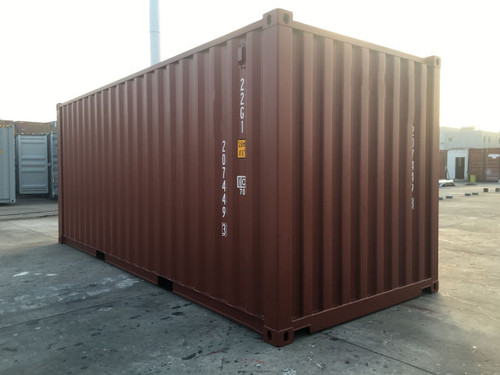
Shipping containers for sale in Texas have become a game‑changer for entrepreneurs, homeowners, and hobbyists seeking affordable, durable, and versatile structures. Whether you dream of a modern tiny home, a secure storage unit, or a pop‑up retail shop, the Lone Star State offers a thriving market for these steel boxes. In the following guide, you’ll discover everything you need to know to make a smart purchase.
Key Takeaways
- Shipping containers for sale in Texas come in various sizes, conditions, and price points to suit any budget.
- Understanding local zoning laws and permit requirements is essential before placing a container on your property.
- Customization options range from simple insulation to full‑scale architectural conversions.
- Reputable dealers provide inspection reports, delivery services, and warranties that protect your investment.
- Regular maintenance, such as rust prevention and seal checks, extends the lifespan of your container.
Why Shipping Containers for Sale in Texas Are a Smart Investment
First, the Texas market benefits from a robust logistics network, meaning containers are frequently available at competitive prices. Second, the state’s warm climate reduces the need for extensive heating systems, lowering long‑term energy costs. Third, the strong resale value of well‑maintained containers ensures you can recoup a significant portion of your outlay if you decide to sell later.
Furthermore, many Texas sellers offer flexible payment plans, making it easier to acquire a container without draining your savings. In addition, the growing popularity of container‑based projects has fostered a community of designers, contractors, and DIY enthusiasts who share tips and resources online. Consequently, you’ll find ample support whether you’re a first‑time buyer or a seasoned investor.
Moreover, containers are inherently strong, built to withstand harsh weather, heavy loads, and rough handling during shipping. This durability translates into low maintenance needs compared to traditional wood or steel‑frame buildings. As a result, owners often enjoy decades of service with minimal upkeep.
Finally, the eco‑friendly angle appeals to many Texans who value sustainability. Repurposing a shipping container reduces waste and lowers the carbon footprint associated with new construction. Therefore, choosing a container aligns with both financial prudence and environmental responsibility.
How to Find Quality Shipping Containers for Sale in Texas
Start your search by identifying reputable dealers who specialize in used and new containers. Look for companies that provide detailed photos, condition reports, and third‑party inspection certificates. Additionally, verify that the seller offers delivery to your specific location within Texas, as transport costs can vary widely.
Furthermore, consider attending local auctions or trade shows where containers are often sold directly by shipping lines. These events can yield bargains, but you must inspect the unit on‑site before committing. In addition, online marketplaces such as ContainerAuction.com and eBay frequently list containers located in Texas warehouses.
Moreover, ask about the container’s CSC (Container Safety Convention) plate, which confirms it meets international safety standards. A valid CSC plate is a good indicator that the unit has been properly maintained. Consequently, you can avoid purchasing a container with hidden structural issues.
Finally, request a written warranty or guarantee that covers major defects for a reasonable period after purchase. This protection provides peace of mind, especially if you plan to invest heavily in modifications. Therefore, a solid dealer relationship is as important as the container itself.
Types of Shipping Containers Available in Texas
Understanding the different container types helps you match the right unit to your project goals. The most common categories include standard dry containers, high‑cube containers, refrigerated (reefer) units, open‑top containers, and flat‑rack containers. Each type offers distinct advantages depending on your intended use.
Furthermore, standard dry containers come in 20‑foot and 40‑foot lengths, with a typical height of 8 feet 6 inches. High‑cube versions add an extra foot of height, making them ideal for projects requiring more interior volume, such as tiny homes or studios. Consequently, many Texas buyers prefer high‑cube units for residential conversions.
In addition, refrigerated containers feature built‑in cooling systems that maintain temperatures between ‑25°C and +25°C. These units are perfect for food‑service businesses, pharmaceutical storage, or any venture needing climate control. Moreover, they often come with backup generators, ensuring uninterrupted operation during power outages.
Furthermore, open‑top containers have a removable roof, allowing easy loading of oversized machinery or bulky materials. Flat‑rack containers, with collapsible sides, excel at transporting heavy equipment like tractors or construction gear. Therefore, selecting the right type hinges on the specific dimensions and weight of your cargo or living space.
Finally, some dealers offer “one‑trip” containers that have only been used for a single shipment. These units exhibit minimal wear and often look almost new. Consequently, they command a premium price but deliver superior aesthetics and longevity.
Legal Considerations When Buying Shipping Containers for Sale in Texas
Before placing a container on your property, you must consult local zoning ordinances and building codes. Many Texas municipalities classify containers as accessory structures, which may require a permit if they exceed a certain size or are intended for habitation. Furthermore, homeowners’ associations (HOAs) often have additional restrictions regarding appearance and placement.
In addition, you should verify whether the container will be considered a permanent structure or a temporary unit. Permanent installations may need foundations, utility connections, and compliance with the International Residential Code (IRC). Conversely, temporary uses, such as on‑site storage during a renovation, often face fewer regulatory hurdles.
Moreover, fire safety regulations may mandate specific egress points, smoke detectors, and fire‑resistant insulation if you plan to use the container as a living or working space. Consequently, engaging a licensed architect or contractor familiar with container projects can streamline the approval process.
Finally, keep records of all permits, inspections, and correspondence with local authorities. This documentation protects you if any disputes arise later and facilitates future resale. Therefore, diligent legal preparation is as vital as selecting the right container.
Cost Analysis: What to Expect When Buying Shipping Containers for Sale in Texas
The price of a shipping container varies based on size, condition, age, and any modifications already applied. As of 2025, a used 20‑foot standard container in good condition typically ranges from $1,500 to $2,500, while a 40‑foot unit falls between $2,500 and $4,000. High‑cube models add roughly $200 to $400 to these figures.
Furthermore, “one‑trip” containers in near‑new condition can cost 20‑30% more than comparable used units. Refrigerated containers, due to their specialized equipment, often start at $5,000 for a 20‑foot reel and exceed $8,000 for a 40‑foot version. Consequently, budgeting for the specific type you need is crucial.
In addition, delivery fees depend on distance from the seller’s depot to your site. Within Texas, intra‑state transport usually costs $150‑$300 for a 20‑foot container and $300‑$500 for a 40‑foot unit. Moreover, if you require crane placement or special handling, expect additional charges of $100‑$200 per hour.
Furthermore, customization expenses can vary widely. Basic insulation and interior framing may add $5‑$10 per square foot, while full electrical, plumbing, and HVAC installations can push costs to $30‑$50 per square foot. Consequently, a modest 200‑square‑foot container home might total $15,000‑$25,000 after modifications.
Finally, consider ongoing costs such as property tax (if the container is deemed a permanent structure), insurance, and routine maintenance. Therefore, a comprehensive budget that includes purchase, delivery, modification, and upkeep will prevent unpleasant surprises.
Where to Buy Shipping Containers for Sale in Texas
Texas boasts a network of reputable container dealers, ranging from large national firms to small local yards. Some of the most trusted names include Container Sales Group, Texas Container Company, and Port Container Solutions. These providers maintain inventories across major hubs such as Houston, Dallas, San Antonio, and El Paso.
Furthermore, many dealers offer online catalogs where you can filter by size, condition, price, and location. This convenience allows you to compare options without leaving your home or office. In addition, several companies provide virtual tours via video walkthroughs, giving you a clearer sense of the container’s interior layout.
Moreover, local classifieds and community boards often list containers sold directly by owners looking to off‑load surplus units. While these private sales can yield lower prices, they typically lack the warranties and inspection guarantees offered by established dealers. Consequently, weigh the savings against potential risks.
Furthermore, consider reaching out to shipping lines that operate out of Texas ports. Companies such as Maersk, MSC, and CMA CGM occasionally sell retired containers directly to the public. These units often come with detailed service histories, making them attractive to buyers seeking transparency.
Finally, attend industry events like the Texas Container Expo or regional logistics trade shows. These gatherings feature live auctions, expert seminars, and networking opportunities that can lead to exclusive deals. Therefore, diversifying your search channels increases the likelihood of finding the perfect container at the right price.
Customization Ideas for Shipping Containers for Sale in Texas
The versatility of shipping containers inspires countless creative transformations. Below are popular customization routes that Texas buyers frequently pursue:
- Tiny Homes: Install insulation, drywall, flooring, a kitchenette, and a bathroom to create a cozy, off‑grid dwelling.
- Pop‑Up Retail: Add large windows, roll‑up doors, branding graphics, and interior shelving for a mobile boutique or food stall.
- Home Offices: Incorporate ergonomic furniture, high‑speed internet wiring, and climate control for a productive remote workspace.
- Art Studios: Expose the corrugated steel interior for an industrial aesthetic, add skylights, and install adjustable lighting.
- Emergency Shelters: Reinforce doors, add fire‑resistant coatings, and stock with essential supplies for disaster preparedness.
Furthermore, many Texans opt for hybrid designs that combine two or more containers to create larger floor plans. By cutting openings and welding frames, you can achieve spacious layouts that rival traditional homes. Consequently, modular construction offers scalability as your needs evolve.
In addition, exterior treatments such as paint, cladding, or green walls enhance curb appeal and protect against corrosion. Therefore, investing in quality finishes not only beautifies the container but also extends its service life.
Moreover, interior layout planning is crucial. Consider using multifunctional furniture, lofted sleeping areas, and built‑in storage to maximize limited square footage. Consequently, thoughtful design transforms a compact steel box into a comfortable living environment.
Finally, consult with a licensed contractor or architect who has experience with container projects. Their expertise ensures that structural modifications meet safety codes and that utilities are installed correctly. Consequently, professional guidance minimizes costly mistakes and delays.
Maintenance Tips for Shipping Containers for Sale in Texas
Proper upkeep preserves the integrity and appearance of your container over the years. Start with a biannual visual inspection, focusing on the roof, seams, doors, and floor. Look for signs of rust, corrosion, water ingress, or damage to the CSC plate.
Furthermore, clean the exterior with a mild detergent and soft brush to remove dirt, salt, and pollutants that accelerate rust. After washing, apply a rust‑inhibiting primer followed by a durable exterior paint suited for metal surfaces. Consequently, a fresh coat every two to three years significantly slows corrosion.
In addition, lubricate door hinges, locking mechanisms, and any moving parts with a silicone‑based spray to ensure smooth operation. Moreover, check the condition of weather stripping around doors and replace it if cracked or brittle to maintain a tight seal.
Furthermore, monitor the interior for moisture buildup, especially if you live in a humid region of Texas. Use dehumidifiers or silica gel packs to keep relative humidity below 60%, preventing mold growth and protecting insulation.
Finally, keep a maintenance log documenting inspections, repairs, and upgrades. This record not only helps you stay on schedule but also adds value when you decide to sell the container. Therefore, consistent care translates into long‑term savings and satisfaction.
Future Trends: The Evolving Market for Shipping Containers for Sale in Texas
The demand for shipping containers in Texas shows no signs of waning. Several emerging trends are shaping how buyers and sellers interact:
- Smart Container Technology: Integration of IoT sensors for temperature, humidity, and security monitoring is becoming common, especially for reefer units.
- Modular Housing Communities: Developers are creating entire neighborhoods made from stacked containers, offering affordable housing solutions in urban areas.
- Green Building Certifications: More projects aim for LEED or similar standards by incorporating solar panels, rainwater harvesting, and eco‑friendly insulation.
- Online Auction Platforms: Digital marketplaces streamline the buying process, providing real‑time bidding and transparent seller ratings.
- Regulatory Flexibility: Some Texas cities are revising zoning codes to accommodate accessory dwelling units (ADUs) made from containers, simplifying permit acquisition.
Furthermore, the rise of remote work has increased interest in container‑based home offices and studios, driving demand in suburban and rural markets. Consequently, sellers are expanding inventories to meet this niche.
In addition, collaborations between architects, engineers, and container manufacturers are yielding innovative prefabricated kits that reduce on‑site labor time. Therefore, buyers can expect faster project timelines and lower overall costs.
Finally, sustainability advocates continue to promote container reuse as a circular economy practice, aligning with Texas’s growing emphasis on environmental stewardship. Consequently, the market for shipping containers for sale in Texas is poised for steady growth and diversification.
Conclusion
Shipping containers for sale in Texas present a unique opportunity to acquire a durable, adaptable, and cost‑effective structure for a wide range of applications. By understanding the market, evaluating container types, navigating legal requirements, budgeting wisely, and investing in quality customization and maintenance, you can transform a simple steel box into a valuable asset.
Furthermore, the supportive community of dealers, designers, and DIY enthusiasts across the state ensures you’ll never lack inspiration or assistance. Consequently, whether you’re aiming for a tiny home, a retail pop‑up, or a secure storage solution, the Lone Star State offers the resources and expertise to bring your vision to life.
Finally, remember that the journey begins with thorough research and ends with a well‑maintained, personalized space that serves your needs for years to come. Therefore, take the first step today, explore the available options, and unlock the potential of shipping containers for sale in Texas.
Ready to Find Your Perfect Container?
Explore our curated inventory of Shipping Containers for Sale in Texas and get a free quote today.
FAQs:
What sizes of shipping containers are most commonly available for sale in Texas?
The most prevalent sizes are 20‑foot and 40‑foot standard dry containers. High‑cube versions of both lengths are also widely stocked, offering an extra foot of interior height. Many dealers also carry specialized units such as 10‑foot containers, open‑top, flat‑rack, and refrigerated reefers, though these are less common and may require advance ordering.
Do I need a permit to place a shipping container on my residential property in Texas?
Permit requirements vary by municipality and depend on factors such as container size, intended use, and whether the unit is considered a permanent or temporary structure. Many Texas cities treat containers as accessory structures, requiring a permit if they exceed 120 square feet or are used for habitation. Always check with your local planning or building department and review any homeowners’ association rules before installation.
How can I verify the condition of a used shipping container before purchasing?
Request detailed photographs showing the interior, exterior, roof, doors, and floor. Ask for a recent inspection report that notes rust levels, dents, CSC plate validity, and water tightness. If possible, arrange for a third‑party survey or visit the depot in person to examine the container. Reputable dealers will also provide a warranty or guarantee covering major structural issues for a set period after purchase.
What are the typical price ranges for shipping containers for sale in Texas in 2025?
As of 2025, a used 20‑foot standard container in good condition generally costs between $1,500 and $2,500, while a 40‑foot unit ranges from $2,500 to $4,000. High‑cube models add approximately $200‑$400 to these figures. One‑trip (near‑new) containers can be 20‑30% more expensive, and refrigerated units start around $5,000 for a 20‑foot reel and exceed $8,000 for a 40‑foot version. Delivery, customization, and accessory costs are additional.
Are shipping containers environmentally friendly building options?
Yes, repurposing a shipping container reduces waste by giving a second life to steel that would otherwise be scrapped. Container‑based construction often requires fewer new materials than traditional building, lowering the carbon footprint. When combined with energy‑efficient insulation, solar panels, and sustainable interior finishes, a container home or office can achieve high levels of environmental performance.
