 Skip to content
 Shipping Container Retail Stores: Transforming Urban Commerce with Modular Design
Key Takeaways
- Shipping Container Retail Stores offer rapid deployment, cutting construction time by up to 60% compared to traditional builds.
- Modular design enables endless customization, from pop‑up cafés to high‑end fashion boutiques.
- Cost savings average 20‑35% on materials and labor, making them attractive for entrepreneurs and investors.
- Sustainability benefits include reduced waste, lower carbon footprint, and potential for off‑grid energy solutions.
- Successful case studies span cities like New York, Tokyo, and Johannesburg, proving global viability.
Shipping Container Retail Stores are reshaping how businesses think about physical storefronts. Imagine launching a boutique in weeks rather than months, with a design that turns heads and a footprint that respects the planet. This approach answers the growing demand for agile, sustainable retail solutions in dense urban environments.
The Rise of Shipping Container Retail Stores in Urban Landscapes
Urban centers face relentless pressure to accommodate new retail concepts while preserving historic streetscapes. Shipping Container Retail Stores provide a lightweight, stackable alternative that fits into vacant lots, underutilized plazas, and even rooftop spaces. Developers appreciate the speed: a container can be transformed into a fully functional shop in as little as four weeks.
Moreover, the industrial aesthetic resonates with younger consumers who value authenticity and creativity. By exposing the corrugated steel, designers create a striking visual contrast against glass storefronts or brick facades. This juxtaposition has become a hallmark of modern urban retail districts.
Financially, the model reduces overhead. Savings arise from lower foundation requirements, decreased labor hours, and the ability to relocate the unit if market conditions shift. These factors collectively lower the barrier to entry for emerging brands.
As cities encourage temporary activations to revitalize neglected areas, Shipping Container Retail Stores have become a go‑to tool for placemaking initiatives. Their modular nature allows planners to experiment with layouts, test consumer response, and iterate quickly.
Consequently, we see a surge in pop‑up markets, food halls, and experiential stores built from repurposed containers. This trend signals a broader shift toward flexible, resilient retail infrastructure.
Design Flexibility and Customization Options
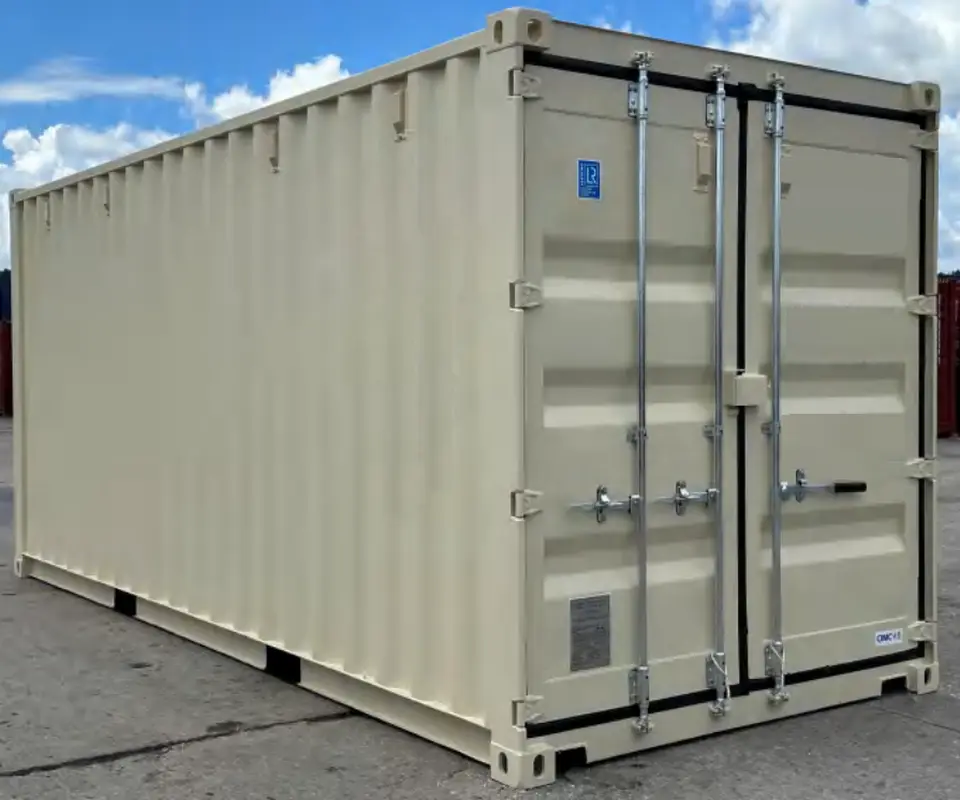
One of the strongest appeals of Shipping Container Retail Stores lies in their design versatility. A standard 20‑foot container offers 160 square feet of usable space, while a 40‑foot unit doubles that area. Designers can combine multiple containers to create larger floor plans, mezzanines, or even multi‑level complexes.
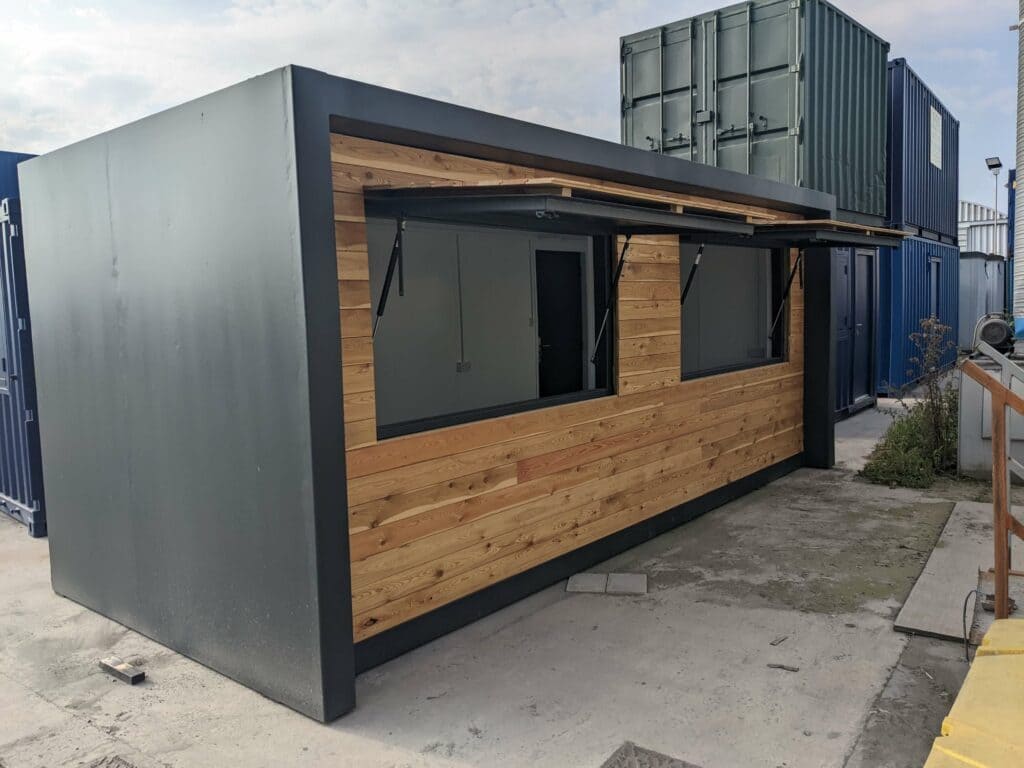
Exterior finishes range from raw corten steel for an industrial vibe to painted panels, wood cladding, or living green walls. Insulation options include spray foam, mineral wool, or advanced aerogel blankets, ensuring comfort in diverse climates.
Interior layouts are equally adaptable. Open‑plan concepts work well for cafés and co‑working spaces, whereas partitioned rooms suit boutiques needing fitting rooms or private consultation areas. Electrical, plumbing, and HVAC systems can be pre‑installed in the factory, reducing on‑site work.
Furthermore, owners can incorporate smart technology: automated lighting, climate control sensors, and point‑of‑sale integrations. These features enhance operational efficiency and improve the customer experience.
Because each unit is essentially a blank canvas, branding opportunities are limitless. Graphic wraps, LED signage, and interactive displays transform the container into a moving billboard that captures foot traffic.
Cost Benefits Compared to Traditional Brick‑and‑Mortar
When evaluating retail real‑estate options, cost remains a decisive factor. Shipping Container Retail Stores typically require 20‑35% less capital than conventional builds of comparable size. This reduction stems from several sources.
First, the container itself serves as the primary structural shell, eliminating the need for extensive framing and foundation work. Second, factory‑based fabrication allows for economies of scale; multiple units can be outfitted simultaneously, lowering per‑unit labor costs. Third, the shortened construction timeline reduces financing expenses and allows earlier revenue generation.
Operating costs also trend lower. The steel envelope provides excellent durability, resulting in minimal maintenance over the unit’s lifespan. Energy‑efficient insulation and optional solar panels can cut utility bills by up to 40%.
Importantly, the ability to relocate the store adds a financial safety net. If a location underperforms, the owner can move the container to a higher‑traffic area without incurring demolition or reconstruction costs.
Overall, the total cost of ownership for a Shipping Container Retail Stores project often proves superior to a traditional leasehold improvement, especially for short‑to‑mid‑term ventures.
Sustainability and Environmental Impact
Environmental stewardship is increasingly influencing consumer choices and corporate policies. Shipping Container Retail Stores align with green building principles by repurposing existing steel structures that might otherwise sit idle in ports or scrap yards.
Reusing a container avoids the energy-intensive processes associated with producing new building materials. Studies indicate that upcycling a single 40‑foot container saves roughly 3,500 kilograms of CO₂ emissions compared to constructing an equivalent wood‑frame shop.
Moreover, the modular nature supports waste reduction during construction. Factory precision minimizes off‑cuts, and any scrap steel can be recycled. On‑site disturbance is limited, preserving surrounding vegetation and reducing soil erosion.
Many owners enhance sustainability further by installing solar arrays, rainwater harvesting systems, or green roofs. These additions not only lower operating costs but also earn certifications such as LEED or BREEAM, boosting brand reputation.
From a lifecycle perspective, the steel container remains highly recyclable at the end of its service life, closing the loop in a circular economy model.
Case Studies: Successful Shipping Container Retail Stores Around the World
Real‑world examples illustrate the practical advantages and creative potential of Shipping Container Retail Stores. Below, we examine three distinct projects that highlight varied applications.
Inside a Successful Shipping Container Retail Stores Project in Berlin
In the Kreuzberg district, a group of local entrepreneurs transformed four 40‑foot containers into a vibrant market hall named “Container Kreuz”. Each unit hosts a different vendor: specialty coffee, vintage apparel, handcrafted jewelry, and a vegan snack bar. The design features reclaimed wood flooring, exposed brick accent walls, and a central communal seating area illuminated by pendant lights.
Since opening in spring 2022, foot traffic has averaged 1,200 visitors per day, with peak weekend numbers exceeding 2,000. Vendors report a 30% increase in sales compared to their previous pop‑up locations, attributing the boost to the hall’s consistent schedule and attractive aesthetic.
The project also incorporated a 10 kW solar array on the roof, covering approximately 60% of the hall’s electricity demand. This initiative earned the developers a regional sustainability award and strengthened community support.
Overall, “Container Kreuz” demonstrates how Shipping Container Retail Stores can foster micro‑entrepreneurship while delivering measurable environmental benefits.
Challenges and Considerations for Entrepreneurs
Despite the many advantages, prospective owners must navigate certain challenges when pursuing Shipping Container Retail Stores. Awareness of these issues helps mitigate risk and ensures smoother project execution.
Zoning and permitting can pose hurdles, as some municipalities classify containers as temporary structures subject to specific time limits. Early engagement with planning departments clarifies height, setback, and fire‑safety requirements.
Structural modifications, such as cutting large openings for windows or doors, require reinforcement to maintain integrity. Consulting a qualified engineer prevents costly retrofits later.
Thermal performance demands attention, especially in extreme climates. Proper insulation, vapor barriers, and HVAC sizing are essential to avoid condensation issues and maintain indoor comfort.
Logistics also matter: transporting a loaded container to the site may necessitate special permits for oversized loads, and crane access must be verified beforehand.
Finally, branding consistency is vital. While the industrial look appeals to many, it may not suit luxury brands seeking a more refined aesthetic. Custom cladding or interior finishes can bridge this gap, though they add to the budget.
Future Trends and Innovations in Container-Based Retail
The evolution of Shipping Container Retail Stores continues as technology and design thinking advance. Several emerging trends promise to expand the model’s capabilities.
First, hybrid structures that combine containers with timber or steel frames are gaining traction. This approach allows larger spans and more complex geometries while retaining the core benefits of modularity.
Second, advancements in insulation materials, such as vacuum insulated panels, dramatically improve thermal efficiency without sacrificing interior space. These innovations make container retail viable in regions with harsh winters or scorching summers.
Third, the integration of augmented reality (AR) experiences within the container space is emerging. Retailers can project virtual product displays onto the walls, offering interactive storytelling that enhances engagement.
Fourth, decentralized manufacturing networks enable local fabrication of container modifications, reducing transportation emissions and supporting regional economies.
Finally, policy shifts toward adaptive reuse and temporary urbanism are likely to streamline permitting processes, further encouraging adoption.

How to Get Started: A Step‑by‑Step Guide for Aspiring Retailers
For those ready to launch their own Shipping Container Retail Stores venture, a clear roadmap simplifies the journey from concept to opening day.
Step 1 – Market Research and Concept Development: Identify your target audience, assess local competition, and define a unique value proposition. Sketch a rough layout and list required amenities.
Step 2 – Budgeting and Financing: Estimate costs for container purchase, modifications, permits, utilities, and working capital. Explore options such as small‑business loans, crowdfunding, or investor partnerships.
Step 3 – Site Selection and Zoning Verification: Choose a location with sufficient foot traffic, visibility, and access to utilities. Confirm with the local planning office that container‑based retail is permitted and understand any time‑limit restrictions.
Step 4 – Design and Engineering: Collaborate with an architect or designer experienced in modular construction. Obtain structural calculations for any cutouts, and select insulation, cladding, and interior finishes.
Step 5 – Fabrication and Off‑Site Build‑Out: Purchase one‑or‑more used containers in good condition. Have a fabricator install windows, doors, insulation, electrical, plumbing, and HVAC according to the approved plans.
Step 6 – Transportation and Site Preparation: Arrange for a flatbed truck or crane to deliver the container to the site. Prepare the foundation—typically a concrete pad, gravel base, or screw piles—to ensure level placement.
Step 7 – Installation and Utilities Hook‑Up: Position the container, connect to water, sewer, electricity, and data lines. Conduct inspections to verify compliance with building codes.
Step 8 – Interior Fit‑Out and Branding: Install flooring, wall finishes, lighting, fixtures, and furnishings. Apply branding elements such as signage, graphics, and digital displays.
Step 9 – Staff Training and Soft Opening: Train employees on operational procedures, safety protocols, and customer service. Host a soft opening for friends, family, and local influencers to gather feedback.
Step 10 – Grand Opening and Marketing: Launch with a promotional campaign that leverages social media, local press, and community events. Monitor sales metrics and adjust operations as needed.
Following these steps helps ensure that your Shipping Container Retail Stores project is completed on time, within budget, and positioned for long‑term success.
Frequently Asked Questions About Shipping Container Retail Stores
What permits are typically required for a Shipping Container Retail Store?
Requirements vary by jurisdiction, but most cities demand a building permit, zoning clearance, and possibly a temporary use permit if the structure is considered non‑permanent. Electrical, plumbing, and mechanical permits may also be needed. Early consultation with the local building department ensures all necessary approvals are secured before construction begins.
How long does it take to convert a shipping container into a retail store?
The timeline depends on the scope of work, but a basic conversion—including insulation, windows, doors, and basic finishes—can be completed in 4 to 6 weeks. More elaborate designs with custom cladding, mezzanines, or advanced HVAC may extend the schedule to 8‑12 weeks. Off‑site fabrication significantly reduces on‑site labor time.
Are Shipping Container Retail Stores suitable for all climates?
Yes, with proper insulation and climate control systems, containers can perform well in hot, cold, humid, or arid environments. High‑performance insulation materials, vapor barriers, and efficient HVAC units maintain comfortable interior temperatures. In extreme conditions, additional measures such as heated flooring or supplemental dehumidification may be advisable.
Can I relocate my Shipping Container Retail Store after it’s installed?
Absolutely. One of the key advantages of container‑based retail is its mobility. If the foundation is designed with movable elements such as screw piles or adjustable piers, the unit can be lifted and transported to a new site with minimal modifications. This flexibility allows retailers to respond to changing market dynamics or seasonal demand patterns.
What are the main cost factors to consider when budgeting for a Shipping Container Retail Store?
Primary cost drivers include the purchase price of the container(s), fabrication labor for modifications, insulation and cladding selections, interior finishes, utility connections, permitting fees, and site preparation. Additional expenses may arise from structural engineering, transportation, and optional sustainability features like solar panels or green roofs. A detailed quote from a qualified fabricator helps capture all variables.
Ready to Launch Your Own Shipping Container Retail Store?
Take the first step a flexible, sustainable, and profitable retail venture. Download our free starter checklist and connect with experts who can turn your vision into reality.
