 Skip to content
 Buy Container Storage Units: Your Complete Guide to Smart Storage Solutions
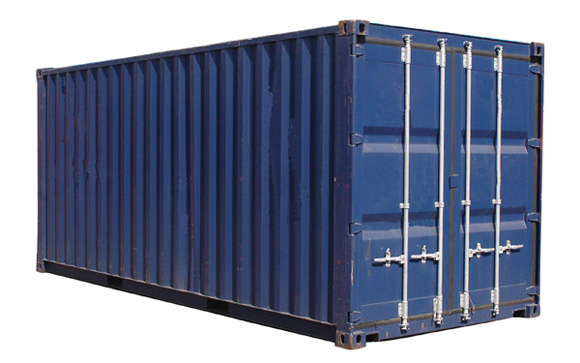
Are you searching for a flexible, cost‑effective way to expand storage space without committing to permanent construction? The answer often lies in the decision to Buy Container Storage Units. These rugged, portable structures provide instant extra room for inventory, equipment, documents, or even living spaces, and they can be relocated as your needs change. In this guide we’ll walk you through everything you need to know before making that purchase, from understanding the different types to navigating permits, budgeting, and long‑term maintenance.
Key Takeaways
- Buying container storage units offers scalability, durability, and lower upfront costs compared to traditional buildings.
- Identify your exact size, condition, and feature requirements before you start shopping.
- Consider new versus used units, inspection criteria, and delivery logistics to avoid hidden expenses.
- Check local zoning, permits, and utility connections to ensure your unit can be placed legally and safely.
- Plan for routine maintenance, corrosion protection, and potential modifications to extend the unit’s lifespan.
Buy Container Storage Units: Why They Are the Smart Choice
When you decide to Buy Container Storage Units, you invest in a solution that combines strength with adaptability. These units are built from corten steel, which resists harsh weather and requires minimal upkeep. Unlike conventional sheds or rented storage lockers, a purchased container becomes an asset you can modify, relocate, or resell.
Furthermore, the initial expense is often lower than constructing a permanent structure, especially when you factor in foundation work, permits, and labor. Because containers are stackable, you can create multi‑level storage complexes without extensive groundwork. This modularity makes them ideal for businesses experiencing seasonal fluctuations or rapid growth.
In addition, owning a container gives you full control over security features. You can add lock boxes, alarm systems, or climate control units tailored to your specific stored items. This level of customization is rarely achievable with rented spaces where alterations may be prohibited.
As a result, many industries—from construction and agriculture to retail and event management—choose to Buy Container Storage Units as a long‑term storage strategy. The following sections will detail how to evaluate, purchase, and maintain these units effectively.
How to Buy Container Storage Units for Your Business
Purchasing a container for commercial use begins with a clear needs assessment. Start by listing the items you intend to store, their dimensions, weight, and any special environmental requirements such as temperature control or humidity regulation. This list will drive decisions about size, condition, and optional features.
Next, research reputable suppliers who offer both new and used containers. Request detailed specifications, photographs, and inspection reports. If possible, arrange for a third‑party survey to verify structural integrity, especially for used units that may have sustained damage during prior shipping cycles.
Finally, negotiate delivery and placement logistics. Confirm that the supplier can transport the unit to your site, provide necessary lifting equipment, and assist with foundation preparation. Clarify warranty terms, return policies, and after‑sales support before signing any purchase agreement.

Understanding Container Storage Units
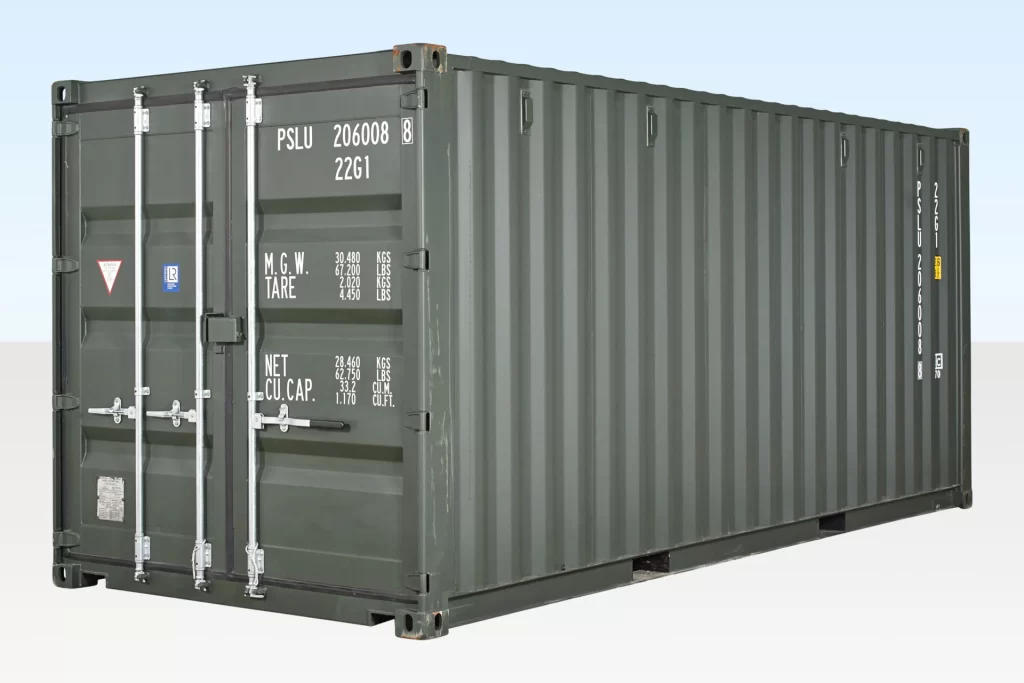
Container storage units are repurposed shipping containers originally designed for global cargo transport. Standard lengths are 20 feet and 40 feet, with heights of either 8 feet 6 inches (standard) or 9 feet 6 inches (high cube). The corrugated steel walls provide exceptional rigidity, while the flooring is typically made of marine‑grade plywood or steel.
These units are inherently weather‑resistant; the corten steel forms a protective rust layer that prevents deeper corrosion. This characteristic allows containers to remain functional for decades with minimal maintenance, making them a durable storage option.
Moreover, the modular nature of containers enables easy customization. You can cut doors, add windows, install insulation, or integrate HVAC systems without compromising structural integrity. This adaptability is a key reason why many choose to Buy Container Storage Units rather than lease traditional storage facilities.
Benefits of Buying Container Storage Units
One major advantage is cost efficiency. Purchasing a container often costs less per square foot than building a comparable wooden or metal shed, especially when you consider the speed of deployment. A unit can be delivered and ready for use within days, whereas construction projects may take weeks or months.
Another benefit is mobility. If your business relocates or you need to shift storage to a different site, the container can be lifted onto a truck and moved with relative ease. This flexibility reduces the risk of being locked into a fixed location that may become unsuitable over time.
Additionally, ownership eliminates recurring rental fees. Over a multi‑year horizon, the savings from avoiding monthly storage bills can be substantial, freeing capital for other operational investments. Ownership also allows you to claim depreciation benefits for tax purposes, further enhancing financial appeal.
Types of Container Storage Units
Standard dry containers are the most common choice for general storage. They come in 20‑ft and 40‑ft lengths, offering approximately 1,170 and 2,390 cubic feet of interior volume, respectively. These units are ideal for palletized goods, equipment, or document archives.
High cube containers provide an extra foot of height, increasing volume by roughly 13%. This added space is valuable when storing tall items such as machinery, furniture, or stacked inventory that exceeds standard height limits.
Refrigerated (reefer) containers maintain controlled temperatures, making them suitable for perishable goods, pharmaceuticals, or temperature‑sensitive materials. While more expensive, they eliminate the need for separate cold‑storage facilities.
Open‑top and flat‑rack containers cater to oversized loads that cannot fit through standard doors. Open‑top units have a removable roof, while flat‑racks feature collapsible sides, allowing loading from the top or sides. These specialized types are less common for typical storage but useful in specific industrial scenarios.
Factors to Consider Before Purchasing Container Storage Units
Size and capacity should be your first consideration. Measure the largest item you plan to store and add clearance for maneuvering inside the unit. Remember that interior dimensions are slightly reduced by corrugation and flooring thickness, so always verify usable space with the supplier.
Condition is equally important. New containers are pristine but come at a premium. Used containers can offer significant savings, yet they may exhibit dents, rust patches, or flooring wear. Request a detailed inspection report that highlights any structural compromises, especially to the corner posts and door seals.
Furthermore, think about accessibility. Will you need frequent access, or will the unit serve as long‑term archival storage? If frequent entry is required, consider adding roll‑up doors, personnel doors, or ramps. For archival use, a standard swing door may suffice, reducing cost and potential weak points.
The Buying Process: Steps to Acquire Container Storage Units
Begin by setting a clear budget that includes not only the purchase price but also transportation, site preparation, permits, and any desired modifications. Having a comprehensive budget prevents surprise expenses later in the project.
Next, shortlist suppliers based on reputation, inventory availability, and customer reviews. Request quotes that break down each cost component. Compare not just the bottom line but also warranty length, after‑sales service, and delivery timelines.
Once you select a supplier, arrange for a pre‑delivery inspection if buying used. Verify that the unit matches the advertised specifications and that any promised repairs have been completed. After acceptance, coordinate delivery timing to ensure site readiness—such as a level gravel pad or concrete footings—to avoid placement delays.
Finally, complete the purchase paperwork, retain copies of all documents, and schedule any post‑delivery modifications like insulation installation, electrical wiring, or interior shelving.
Cost Analysis and Budgeting for Container Storage
The base price for a standard 20‑ft used container typically ranges from $1,500 to $2,500, while a new unit may cost between $3,000 and $4,500. Forty‑foot containers follow a similar pattern, with used prices from $2,500 to $3,500 and new prices from $4,500 to $6,500. High cube and specialized reefers command higher rates due to added features.
Transportation costs depend on distance and accessibility. A local move within 50 miles might add $200‑$400, whereas cross‑country hauls can exceed $1,500. Off‑loading equipment such as cranes or forklifts may also incur fees if the supplier does not include them in the delivery package.
Site preparation is another line item. A simple gravel pad costs roughly $1‑$2 per square foot, while a reinforced concrete foundation can run $4‑$8 per square foot. Permits, if required, vary by municipality but often fall between $50 and $300.
Modifications such as insulation, HVAC, lighting, or security systems add further expense. Basic spray‑on insulation may cost $1‑$2 per square foot, whereas a mini‑split air conditioning unit could add $1,000‑$2,000. Budgeting 10‑20% of the unit price for customizations is a prudent rule of thumb.
Legal and Zoning Considerations for Container Storage
Before you Buy Container Storage Units, verify that your intended location complies with local zoning ordinances. Some jurisdictions classify containers as accessory structures, while others may treat them as temporary or permanent buildings depending on foundation type and duration of use.
Check whether a building permit is required for placement, especially if you plan to attach utilities or modify the structure. In many areas, placing a container on a permanent foundation triggers permit requirements, whereas a simple gravel pad may be exempt.
Additionally, review any homeowners’ association (HOA) rules or lease agreements that might restrict the appearance or location of containers. Aesthetic concerns often lead to restrictions on visible containers in residential neighborhoods.
Finally, ensure compliance with fire codes and accessibility standards if the unit will be accessed by the public or employees. Installing proper egress, fire extinguishers, and signage may be necessary to pass inspections.
Maintenance Tips to Extend the Life of Your Container Storage
Routine maintenance begins with visual inspections. Check the roof, walls, and door seals for signs of rust, water ingress, or damage at least twice a year. Early detection allows you to treat small corrosion spots before they spread.
Apply a rust‑inhibiting primer and paint to any exposed steel areas. Many owners use a marine‑grade paint system that matches the container’s original corten finish, preserving both appearance and protective qualities.
Keep the interior dry and well‑ventilated. If you store moisture‑sensitive items, consider installing desiccant packs or a small dehumidifier. For units in humid climates, periodic airflow checks prevent condensation buildup that could damage stored goods.
Lubricate door hinges and locking mechanisms regularly to ensure smooth operation. Replace worn gaskets or weather stripping to maintain a tight seal against dust and pests.
If you have added modifications such as insulation or electrical wiring, inspect those components according to manufacturer guidelines. Address any wear promptly to avoid safety hazards or performance degradation.
Real-World Case Studies: Successful Uses of Container Storage
Case Study 1: A mid‑size construction company needed secure on‑site storage for tools and materials during a six‑month renovation project. They purchased two 40‑ft used containers, placed them on a gravel pad, and added lock boxes. The containers reduced equipment theft by 90% and eliminated daily trips to off‑site storage, saving approximately 15 labor hours per week.
Case Study 2: An e‑commerce retailer experiencing seasonal spikes bought three 20‑ft high cube containers to serve as overflow inventory during the holiday season. The units were fitted with shelving and LED lighting. By storing excess stock on‑site, the retailer cut third‑party warehousing fees by 40% and improved order fulfillment speed.
Case Study 3: A community garden group transformed a 20‑ft container into a tool shed and seed bank. They installed insulation, a small solar panel for lighting, and a rainwater collection system. The project provided a durable, low‑cost hub that withstood harsh winters and became a focal point for neighborhood workshops.
These examples illustrate how the decision to Buy Container Storage Units can solve diverse storage challenges while delivering measurable economic and operational benefits.
Future Trends in Container Storage Technology
The container storage market continues to evolve with advancements in materials and smart technology. Manufacturers are experimenting with hybrid corten‑aluminum alloys that reduce weight while maintaining corrosion resistance, making units easier to transport and install.
Internet of Things (IoT) integration is gaining traction. Sensors that monitor temperature, humidity, door status, and interior motion can relay data to a cloud platform, allowing owners to receive real‑time alerts via smartphone apps. This capability is especially valuable for reefer containers storing pharmaceuticals or food products.
Modular interior systems are also emerging. Prefabricated wall panels, snap‑in shelving, and quick‑connect electrical conduits enable rapid reconfiguration of interior layouts without welding or specialized tools. This trend supports businesses that need to adapt storage configurations frequently.
Sustainability efforts focus on repurposing retired shipping containers into affordable housing, pop‑up retail spaces, and disaster relief shelters. As circular economy principles gain momentum, the secondary market for used containers is expected to grow, offering even more cost‑effective options for buyers seeking to Buy Container Storage Units.
Frequently Asked Questions
What is the average lifespan of a purchased container storage unit?
A well‑maintained container storage unit can last 20 to 30 years or more. The corten steel used in construction forms a protective rust layer that significantly slows corrosion. Regular inspections, prompt treatment of any rust spots, and keeping the interior dry are key practices that maximize lifespan. Units stored in harsh coastal environments may require more frequent coating applications, but even there, a properly cared‑for container remains serviceable for decades.
Do I need a building permit to place a container on my property?
Permit requirements vary by municipality and depend on factors such as foundation type, intended use, and duration of placement. Many jurisdictions treat a container placed on a temporary gravel pad as a temporary structure that may not require a permit, especially if it remains for less than 180 days. However, if you install a permanent foundation, connect utilities, or plan to use the container as a habitable space, a building permit is often necessary. It is advisable to consult your local planning or building department before purchasing to avoid compliance issues.
Can I insulate a container storage unit for climate control?
Yes, insulating a container is a common modification to improve thermal efficiency and prevent condensation. Options include spray‑on polyurethane foam, rigid foam boards, or insulated panels applied to the interior walls and ceiling. For temperature‑sensitive storage, pairing insulation with a mini‑split HVAC unit or a dehumidifier creates a controlled environment. Always ensure that any insulation does not interfere with the container’s structural integrity or door operation, and consider adding a vapor barrier to manage moisture effectively.
Are used container storage units safe to buy?
Used containers can be safe and cost‑effective purchases when sourced from reputable suppliers and inspected thoroughly. Look for units with minimal structural damage, intact corner posts, and functional door seals. Request a survey report that details any rust, dents, or flooring wear. If the unit has previously carried hazardous chemicals, verify that it has been properly cleaned and decontaminated. A careful inspection mitigates risks and ensures you acquire a unit that meets your safety and durability standards.
What are the main differences between a 20‑ft and a 40‑ft container?
The primary difference is length, which directly affects interior volume and usable space. A standard 20‑ft container offers about 1,170 cubic feet, while a 40‑ft container provides roughly 2,390 cubic feet—almost double the capacity. The 40‑ft unit is better suited for storing large equipment, palletized goods in bulk, or creating partitioned workspaces. However, 20‑ft containers are easier to maneuver in tight sites, often incur lower transportation costs, and may fit within more restrictive zoning setbacks. Choosing between the two depends on your specific volume needs, site constraints, and budget.
Ready to Expand Your Storage?
Take the next step toward flexible, secure, and cost‑effective storage solutions. Explore our inventory of new and used container storage units, request a free quote, and get expert advice tailored to your project.
