 Skip to content
 Are Shipping Containers a Good Investment?: Unveiling the Real Profit Potential Behind Steel Boxes
Are Shipping Containers a Good Investment? is a question that has intrigued entrepreneurs, real‑estate enthusiasts, and sustainability advocates alike. In recent years, the rise of modular architecture and alternative housing has turned these humble steel boxes into a niche asset class. This article dives deep into the financial, practical, and regulatory aspects to help you decide if adding shipping containers to your portfolio makes sense.
Key Takeaways
- Are Shipping Containers a Good Investment? can yield strong rental returns when converted into residential or commercial units.
- Initial acquisition costs are low, but renovation, insulation, and permitting can add significant expenses.
- Location, zoning laws, and market demand are the biggest drivers of long‑term value appreciation.
- Diversifying with multiple containers reduces risk and improves cash flow stability.
- Exit strategies include resale, leasing to businesses, or converting into short‑term vacation rentals.
Market Overview: Where the Demand for Steel Boxes Is Growing
The global shipping container market has experienced steady growth, driven by increased international trade and the repurposing of decommissioned units. According to industry reports, over 17 million containers are in circulation worldwide, with roughly 2‑3% retired each year. These retired units enter the secondary market, where investors can purchase them for as little as $1,500 to $3,000 each, depending on size and condition.
Are Shipping Containers a Good Investment? becomes more attractive when you consider the rapid urbanization trends in emerging economies. Cities in Africa, Southeast Asia, and Latin America are seeking affordable, quick‑to‑deploy housing solutions. Containers meet this need because they can be stacked, modified, and transported with relative ease.
Furthermore, the popularity of container‑based pop‑up retail, cafés, and coworking spaces has created a vibrant short‑term rental market. Investors who target high‑foot‑traffic areas can achieve occupancy rates above 80%, translating into compelling cash‑on‑cash returns.
In addition, the sustainability angle cannot be ignored. Repurposing a container avoids the energy‑intensive processes associated with new construction. Many green‑building certifications now award points for using recycled steel, enhancing the resale value of container projects in eco‑conscious markets.
Consequently, understanding local market dynamics is essential. A container placed in a logistics hub near a port may serve as inexpensive storage, while the same unit in a trendy urban district could become a boutique hotel. The key is aligning the container’s use case with the surrounding demand drivers.
Financial Analysis: Crunching the Numbers Behind Container Investments
When evaluating Are Shipping Containers a Good Investment?, start with the acquisition cost. A standard 20‑foot dry cargo container in good condition typically costs between $1,800 and $2,500. A 40‑foot high‑cube unit ranges from $2,800 to $3,500. Prices fluctuate based on age, rust level, and whether the container is wind‑ and water‑tight.
Renovation expenses constitute the largest variable. Basic conversion for storage—adding lockable doors, ventilation, and paint—may add $500‑$1,000. Transforming a container into a livable space requires insulation, electrical wiring, plumbing, interior finishes, and HVAC, which can push costs to $15,000‑$30,000 per unit.
Financing options vary. Some investors purchase outright using cash, while others secure short‑term loans or leverage equity from existing properties. Interest rates on such loans usually sit between 6%‑9%, affecting the overall profitability.
Revenue streams depend on the chosen use case. Long‑term residential rentals in secondary markets can generate $800‑$1,200 per month per unit. Short‑term vacation rentals in tourist hotspots may command $150‑$250 per night, yielding higher gross returns but requiring active management.
Operating expenses include property taxes, insurance, maintenance, and occasional re‑coating to prevent corrosion. Annual OPEX typically ranges from 10%‑15% of gross income.
When you run a simple cash‑flow model, a well‑located, fully converted container home can deliver a cash‑on‑cash return of 8%‑12% after financing, assuming a 20% down payment. Unlevered returns often exceed 15%, making containers competitive with traditional multifamily assets in certain markets.
Nevertheless, sensitivity analysis shows that returns are highly sensitive to renovation overruns and vacancy spikes. A 20% increase in rehab costs or a three‑month vacancy period can reduce IRR by 3‑5 percentage points.
Therefore, thorough due diligence—including a detailed rehab budget, local rent comparables, and a contingency reserve of 10‑15%—is essential before answering Are Shipping Containers a Good Investment? with a confident yes.
Pros and Cons: Weighing the Advantages Against the Drawbacks
Investing in shipping containers offers a unique blend of benefits and challenges. On the upside, the low entry barrier allows investors to start small and scale gradually. Containers are inherently durable, built to withstand harsh marine environments, which translates to a long structural lifespan when properly maintained.
Another advantage is speed of deployment. A container can be delivered, modified, and made rent‑ready within 6‑12 weeks, far quicker than ground‑up construction. This speed reduces carrying costs and accelerates cash flow generation.
From an environmental standpoint, reusing steel reduces waste and lowers the carbon footprint associated with new building materials. Many tenants and buyers value this sustainability factor, which can justify premium rents or sale prices.
On the downside, containers present thermal challenges. Steel conducts heat and cold efficiently, necessitating high‑quality insulation to achieve comfortable indoor temperatures. Inadequate insulation leads to high energy bills and tenant dissatisfaction.
Moreover, zoning and building codes often treat container structures as non‑conventional. Obtaining permits can be time‑consuming and may require engineering stamps, especially for multi‑story stacks. Some municipalities outright prohibit container homes in residential zones.
Transportation logistics also add complexity. Moving a 40‑foot container requires a tilt‑bed truck or crane, incurring additional fees. Site preparation—such as laying a concrete foundation or gravel pad—must be factored into the budget.
Finally, market perception remains a hurdle. While container architecture is gaining acceptance, some buyers still view it as a niche or temporary solution, affecting resale liquidity in certain areas.
Balancing these pros and cons is crucial when asking Are Shipping Containers a Good Investment?. A clear strategy that mitigates the cons—through proper insulation, professional permitting, and market‑specific use cases—can unlock the full potential of this asset class.
Use Cases: From Storage Units to Luxury Hotels
The versatility of shipping containers enables a wide array of investment strategies. Below are the most common and profitable applications.
1. Long‑Term Residential Rentals
Converted containers serve as affordable housing units in markets where traditional apartments are scarce. By stacking two or three containers, investors can create two‑bedroom homes with modern amenities. Target locations include growing suburbs, college towns, and areas undergoing revitalization.
2. Short‑Term Vacation Rentals
In tourist destinations, unique accommodations command premium nightly rates. A creatively designed container cabin with panoramic windows, a deck, and eco‑friendly fixtures can attract Airbnb guests seeking novelty. Proper marketing and high‑quality photography are essential to achieve occupancy rates above 70%.
3. Pop‑Up Retail and Food Outlets
Entrepreneurs love containers for pop‑up shops, coffee bars, and food trucks because they offer a movable, secure storefront. Placing a container near a farmers’ market, festival grounds, or urban plaza can generate daily sales that quickly offset the initial outlay.
4. Storage and Warehouse Solutions
The simplest use case is pure storage. Investors lease containers to contractors, farmers, or small businesses needing secure, weather‑proof space. This model requires minimal renovation and yields steady, low‑maintenance income.
5. Modular Office and Co‑Working Spaces
With the rise of remote work, flexible office solutions are in demand. Containers can be combined to create open‑plan workspaces, meeting rooms, or private offices. Leasing to freelancers or startups provides a diversified tenant base.
6. Disaster Relief and Emergency Housing
Governments and NGOs sometimes purchase containers for rapid deployment after natural disasters. While this is often a humanitarian rather than profit‑driven move, some investors partner with agencies under long‑term lease agreements, securing guaranteed income streams.
Each use case carries its own risk‑return profile. Aligning the container’s specifications—size, condition, modifications—with the intended application is the key to answering Are Shipping Containers a Good Investment? affirmatively.
Risks and Challenges: What Investors Must Watch Out For
Despite the attractive upside, several risks can erode returns if not managed proactively.
Regulatory Hurdles: Building codes vary widely. Some jurisdictions classify container structures as temporary, limiting occupancy to a few months. Others require extensive fire‑rating, egress, and foundation work. Engaging a local architect or engineer early can prevent costly redesigns.
Corrosion and Maintenance: Even “one‑trip” containers develop surface rust over time. In coastal climates, salt accelerates corrosion. A proactive maintenance schedule—including sandblasting, priming, and repainting every 3‑5 years—is necessary to preserve structural integrity.
Insulation and Condensation: Steel’s high thermal conductivity creates condensation risks when warm interior air meets cold walls. Proper vapor barriers, spray‑foam insulation, and interior linings mitigate mold growth and maintain comfort.
Market Saturation: In certain urban areas, the novelty of container architecture has waned, leading to increased competition and downward pressure on rents. Conducting a localized market analysis helps avoid oversupplied niches.
Financing Constraints: Traditional lenders may view container projects as higher risk, offering lower loan‑to‑value ratios or demanding higher interest rates. Alternative financing—such as private equity, crowdfunding, or seller financing—can fill the gap but may come with stricter covenants.
Exit Liquidity: Selling a container property can take longer than selling a conventional home, especially if the buyer pool is limited. Investors should hold a reserve of 6‑12 months of operating costs to weather extended listing periods.
By identifying these challenges early and incorporating mitigation strategies—such as securing pre‑approved building plans, establishing a maintenance fund, and diversifying geographic exposure—investors can confidently address the question Are Shipping Containers a Good Investment? with a realistic, balanced perspective.
How to Get Started: A Step‑by‑Step Guide for First‑Time Investors
Embarking on a container investment journey requires careful planning. Follow these steps to minimize surprises and maximize returns.
- Define Your Objective: Determine whether you seek cash flow, appreciation, tax benefits, or a combination. This will guide your choice of use case and location.
- Research Markets: Look for areas with growing population, limited affordable housing, or high tourist activity. Examine zoning maps and speak with local planning departments.
- Source Containers: Use reputable dealers, online marketplaces, or directly contact shipping lines. Inspect units in person or request detailed condition reports and photos.
- Calculate Total Cost: Add purchase price, transportation, site preparation, modifications, permits, insurance, and a contingency reserve. Use a spreadsheet to model different scenarios.
- Secure Financing: If needed, approach lenders familiar with alternative construction or explore private investors. Prepare a solid business plan showing projected cash flows.
- Obtain Permits: Submit architectural drawings, engineering stamps, and site plans to the local building department. Expect a review period of 4‑8 weeks.
- Execute the Build: Hire licensed contractors for insulation, electrical, plumbing, and finishes. Schedule regular inspections to ensure code compliance.
- Market the Property: Professional photos, virtual tours, and targeted online listings attract tenants or buyers faster. Highlight unique selling points like sustainability, modularity, and quick move‑in readiness.
- Manage and Maintain: Implement a routine maintenance checklist, respond promptly to tenant requests, and keep financial records organized for tax purposes.
Following this roadmap transforms the abstract question Are Shipping Containers a Good Investment? into a concrete, executable plan.
Case Studies: Real‑World Examples of Container Investment Success
Learning from actual projects provides valuable insights into what works and what doesn’t.
Case Study 1: The Austin Container Community
In 2021, a Texas developer purchased ten 40‑foot high‑cube containers for $28,000 each. After allocating $45,000 per unit for insulation, interior finishes, and solar panels, the project launched as a mixed‑use development with six residential units and four retail spaces. Average monthly rent for the residential units reached $1,350, while retail tenants paid $2,200 per month. After accounting for property management and taxes, the developer achieved a cash‑on‑cash return of 10.5% in the first year, with projected appreciation of 6% annually due to Austin’s rapid growth.
Case Study 2: Bali Eco‑Retreat Containers
An Australian couple invested in five 20‑foot containers to create an eco‑friendly retreat near Ubud. Each unit received bamboo cladding, a living roof, and composting toilets. Nightly rates averaged $180, yielding an 80% occupancy rate during peak season. After deducting utilities, staff, and marketing, the annual net operating income was $135,000 on a $150,000 total investment, translating to a 90% ROI in 18 months.
Case Study 3: Toronto Storage Portfolio
A Canadian investor focused purely on storage, acquiring thirty 20‑foot containers at $2,200 each. Minimal modifications—lock boxes, ventilation vents, and paint—cost $800 per unit. Containers were leased to local contractors and small businesses at $150 per month each. With virtually no vacancy and low maintenance, the portfolio generated $54,000 annual gross income on a $90,000 capital outlay, delivering a 60% cash‑on‑cash return.
These examples illustrate that the answer to Are Shipping Containers a Good Investment? hinges on aligning the investment model with local demand, managing renovation costs prudently, and leveraging unique selling points such as speed, sustainability, or novelty.
Future Outlook: Trends Shaping the Container Investment Landscape
Several macro trends suggest that container‑based assets will remain relevant for the coming decade.
Modular Construction Growth: The prefabricated building market is projected to exceed $150 billion by 2030, driven by labor shortages and the need for rapid deployment. Containers fit naturally into this ecosystem as standardized modules.
E‑Commerce and Last‑Mile Logistics: Online retail expansion increases demand for micro‑fulfillment centers located close to urban consumers. Containers offer a low‑cost, scalable solution for micro‑warehousing, especially in secondary cities.
Sustainability Mandates: Governments are tightening carbon‑emission standards for new construction. Using recycled steel containers can help developers meet green building criteria, potentially unlocking tax incentives or expedited permitting.
Technological Enhancements: Advances in insulation materials—such as aerogel blankets and vacuum‑insulated panels—reduce the thickness needed to achieve high R‑values, preserving interior space while improving energy efficiency.
Urban Infill and Housing Affordability: Many cities are revising zoning codes to allow accessory dwelling units (ADUs) and tiny homes. Containers often qualify as ADUs, providing a legal pathway to add rental units in single‑family neighborhoods.
Taken together, these factors indicate that the question Are Shipping Containers a Good Investment? will likely continue to attract interest from both institutional and retail investors seeking diversified, tangible assets with upside potential.
Conclusion: Making an Informed Decision
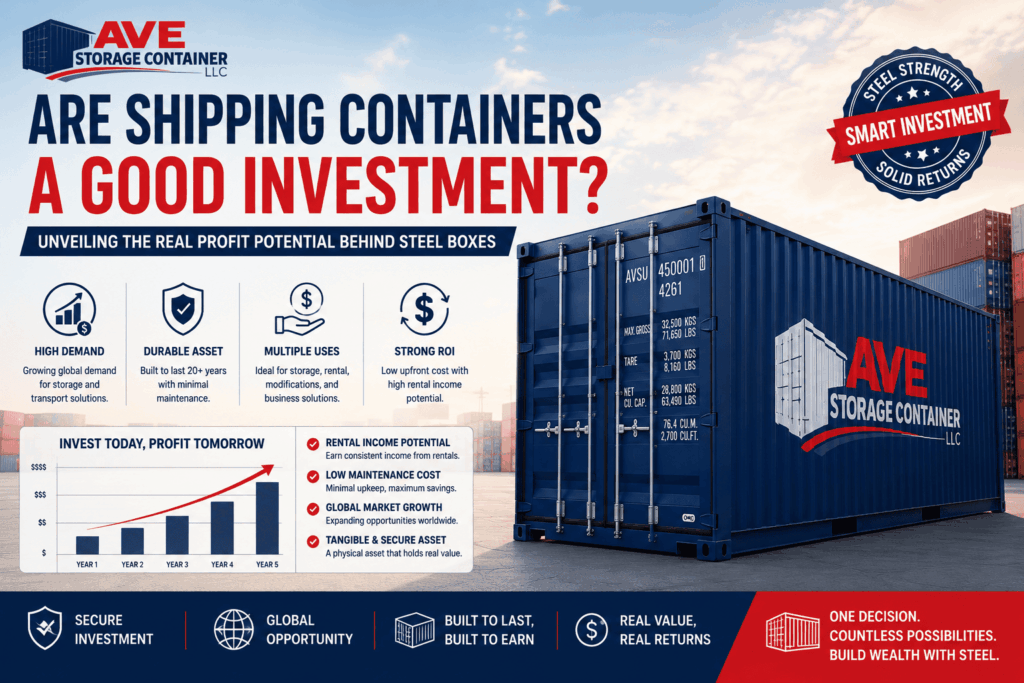
After examining market dynamics, financial models, use cases, risks, and real‑world examples, we can synthesize a balanced answer to Are Shipping Containers a Good Investment?. The asset class offers compelling advantages—low entry cost, speed of deployment, durability, and sustainability appeal—that can translate into attractive cash flows and appreciation when executed with diligence.
However, success is not automatic. Investors must navigate regulatory complexities, manage renovation budgets vigilantly, and remain attuned to local market conditions. A disciplined approach that includes thorough due diligence, professional project management, and a clear exit strategy transforms speculation into a repeatable investment process.
If you are willing to invest the time to understand the nuances of container conversion, leverage local partnerships, and treat each unit as a small business, then shipping containers can indeed be a good addition to a diversified portfolio. Conversely, if you seek a completely passive, hands‑off asset with guaranteed returns, other traditional real‑estate options may be more suitable.
Ultimately, the answer lies in your investment goals, risk tolerance, and willingness to engage actively with the project. By weighing the insights presented here, you can make an informed decision that aligns with your financial aspirations.
FAQs:
What is the average purchase price for a used shipping container?
A standard 20‑foot used cargo container in good condition typically costs between $1,800 and $2,500, while a 40‑foot high‑cube unit ranges from $2,800 to $3,500. Prices fluctuate based on age, rust level, and whether the container is wind‑ and water‑tight.
How much does it cost to convert a container into a livable home?
Conversion costs vary widely depending on the level of finish. A basic habitable conversion with insulation, electrical, plumbing, and modest interior finishes can range from $15,000 to $30,000 per unit. High‑end finishes, solar panels, or custom architectural features can push expenses beyond $40,000.
Are there special permits required for container homes?
Yes. Most municipalities treat container structures as non‑conventional buildings and require building permits, zoning approvals, and often engineering stamps. Requirements differ by jurisdiction; some areas limit container homes to rural zones, while others allow them as accessory dwelling units (ADUs) in residential districts. Early consultation with the local planning department is essential.
Can shipping containers be financed through traditional banks?
Traditional banks may offer financing for container projects, but loan‑to‑value ratios are often lower (50%‑60%) and interest rates higher than for conventional residential mortgages due to perceived higher risk. Many investors turn to private lenders, crowdfunding platforms, or seller financing to obtain more flexible terms.
What are the biggest risks associated with container investments?
The primary risks include regulatory hurdles (zoning and building code compliance), corrosion and maintenance costs, insulation challenges leading to condensation or high energy bills, market saturation in niches, financing constraints, and relatively lower resale liquidity compared to traditional homes. Mitigating these risks through thorough due diligence, professional expertise, and geographic diversification is crucial for long‑term success.
Ready to Explore Container Investments?
Discover curated listings, financing options, and expert guides tailored to your goals.
